Two layer network architecture system, implementing method and head compression and nondestructive transference method thereof

A technology of network architecture and header compression, which is applied in the field of telecommunication systems, can solve the problems of no functional division and detailed description, etc., and achieve the effect of reducing transmission packet loss, reducing transmission delay, and reducing the number of nodes

CN100574273CActive Publication Date: 2009-12-23HUAWEI TECH CO LTD
4 Cites 0 Cited by

Patent Information

Authority / Receiving Office
CN · China
Patent Type
Patents(China)
Current Assignee / Owner
Publication Date
2009-12-23

Smart Images

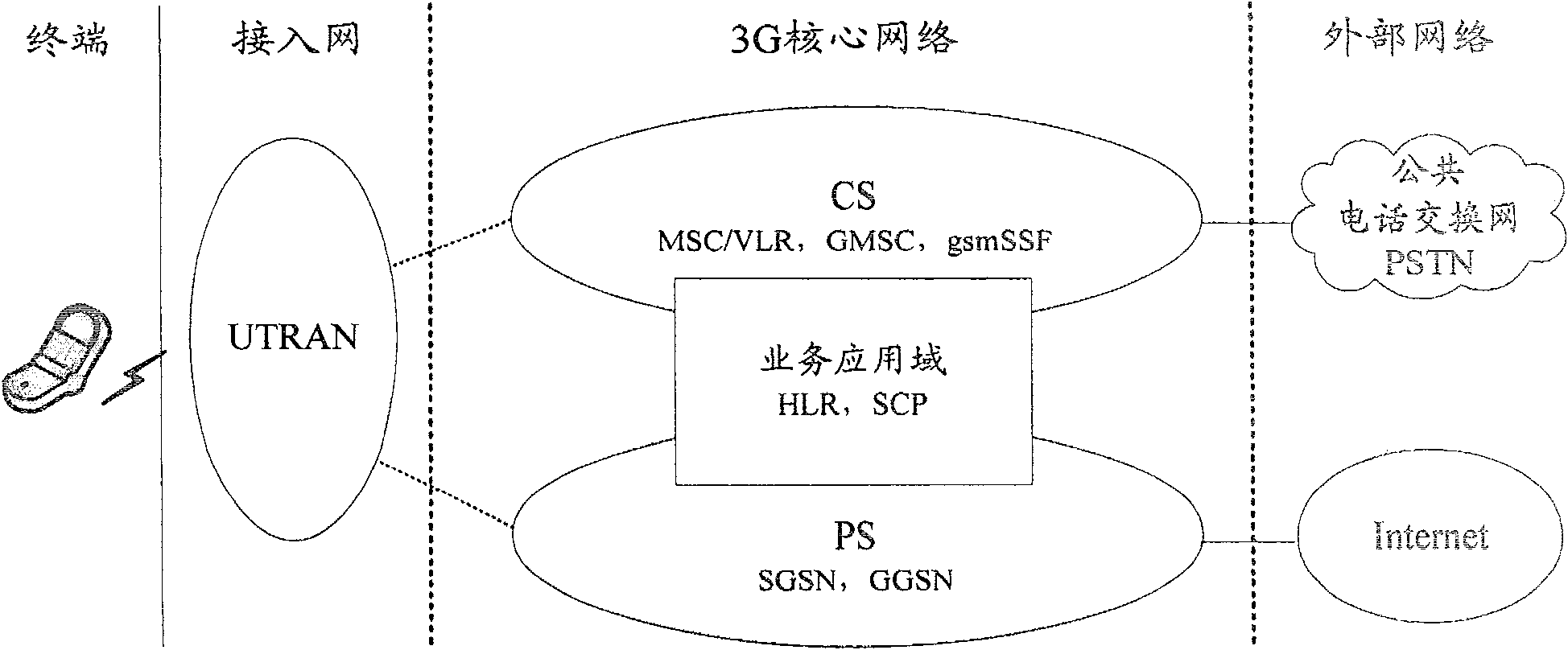
  • Figure 1
    Figure 1
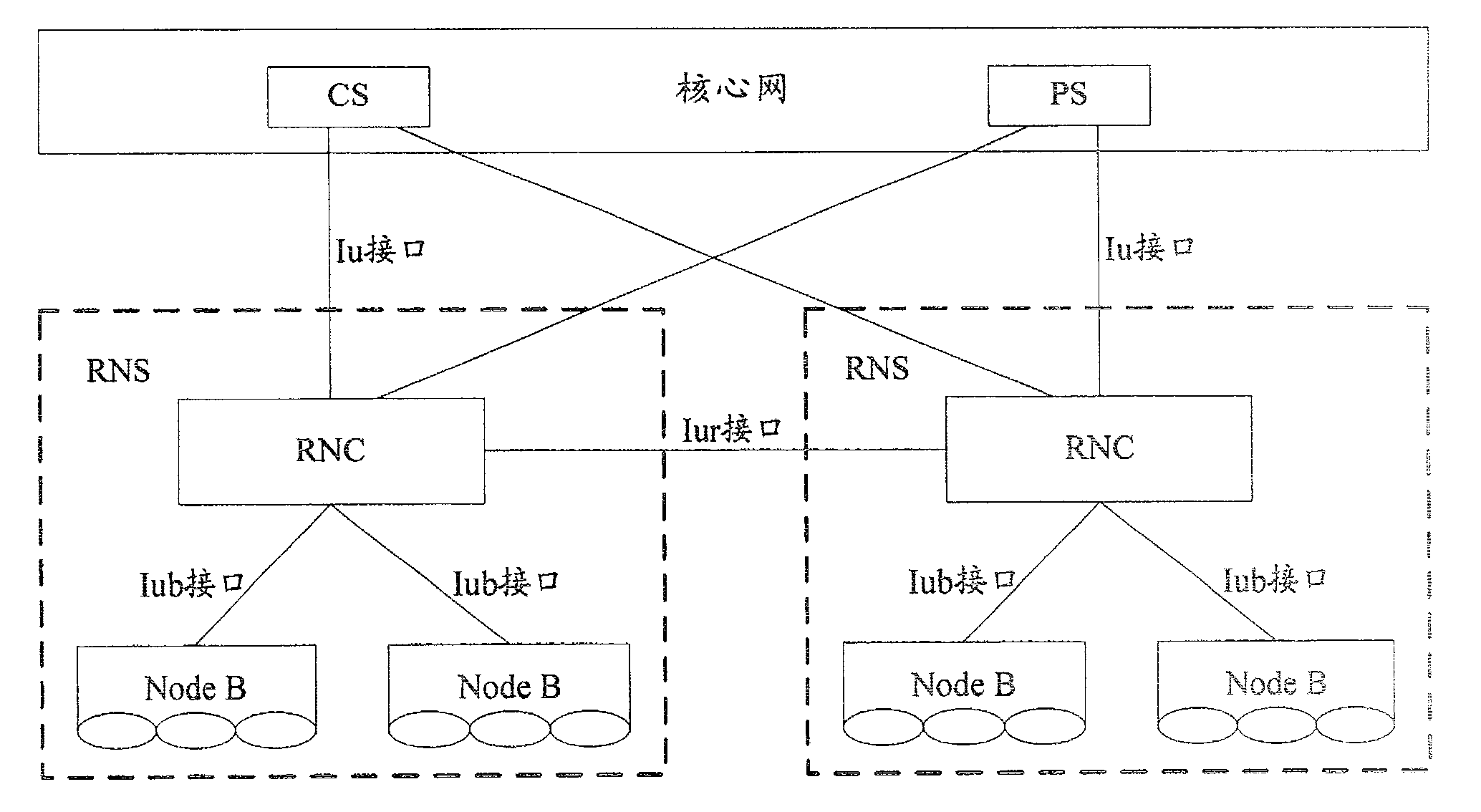
  • Figure 2
    Figure 2
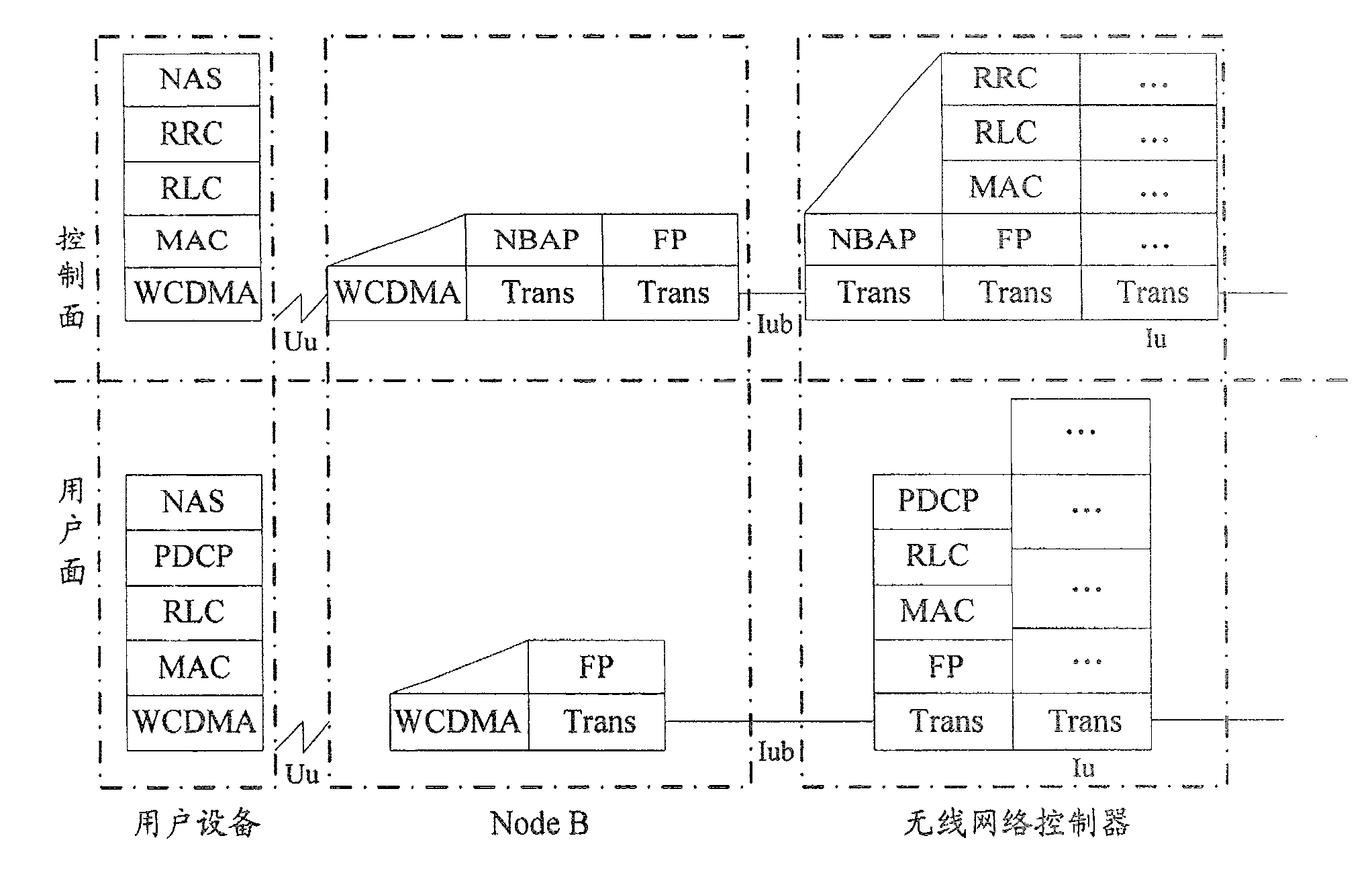
  • Figure 3
    Figure 3
Patent Text Reader

Abstract

The invention discloses a two-layer network structured system and implementing method and the head compressing and lossless migrating methods thereof. Two layers of nodes comprise edge radio station (ERS) and IP access gateway (IAGW), where ERS is formed by cominging NodeB in a three-layer network structured telecom system with radio network controller (RNC). In various protocol entities on the two layers of nodes, PDCP'entity on IAGW comprises head compression module and RLC' protocol entity on ERS comprises lossless migrating module. That is to say, head compression module in PDCP entity moves up to IAGW; lossless migrating module in PDCP entity moves down to radio link control protocol entity on ERS. And the invention also discloses head compression method and lossless migrating method executed in the improved network structure. In the two-layer node structure of network evolution, the invention adopts new user plane protocol stack and can raise service data transmitting efficiency.
Need to check novelty before this filing date? Find Prior Art

Description

technical field

[0001] The invention relates to a telecommunication system, in particular to a telecommunication system with a two-layer node network architecture, a method for realizing the system, and methods for head compression and lossless migration. Background technique

[0002] The Universal Mobile Telecommunications System (UMTS) is a third-generation mobile communication system that adopts Wideband Code Division Multiple Access (WCDMA) air interface technology, and the UMTS system is usually called a WCDMA communication system. The UMTS system adopts a structure similar to that of the second generation mobile communication system, including a radio access network (RAN, Radio Access Network) and a core network (CN, Core Network). Among them, the wireless access network is used to handle all wireless-related functions, while the CN handles all voice calls and data connections in the UMTS system, and implements switching and routing functions with external networks. T...

Examples

Embodiment Construction

[0081] Refer below Figure 6 , describing the telecommunication system of the two-layer node network architecture proposed by the present invention.

[0082] There are only two layers of nodes, ERS and IAGW, on the network side. From the perspective of the wireless interface user plane protocol stack, ERS has a physical layer (L1), MAC layer, and RLC' layer, and IAGW has a new PDCP' layer, GPRS tunneling protocol / user datagram protocol / Internet protocol (GTP / UDP / IP ) layer, L2 and L1 physical layers. The Iu-flex interface is the interface between ERS and IAGW, using IP transmission.

[0083] The L1 layer and the MAC layer are basically similar to the physical layer and the MAC layer of the existing Re16. L1 is the physical layer of the evolved network, and technologies such as OFDM and MIMO can be used to improve the spectral efficiency of the air interface. MAC is the MAC layer of the wireless interface protocol stack. It has entities such as MAC-d, MAC-c / sh, MAC-b, MAC-h...