Femoral component for a femoral knee implant system

A technology of femur, components, applied in the direction of bone implants, joint implants, joint implants, etc., which can solve the problem of not allowing the patella to be in its most anatomical position

CN104902853AInactive Publication Date: 2015-09-09康亨昱
6 Cites 2 Cited by

Patent Information

Authority / Receiving Office
CN · China
Patent Type
Applications(China)
Current Assignee / Owner
Publication Date
2015-09-09
Estimated Expiration
Not applicable · inactive patent

Smart Images

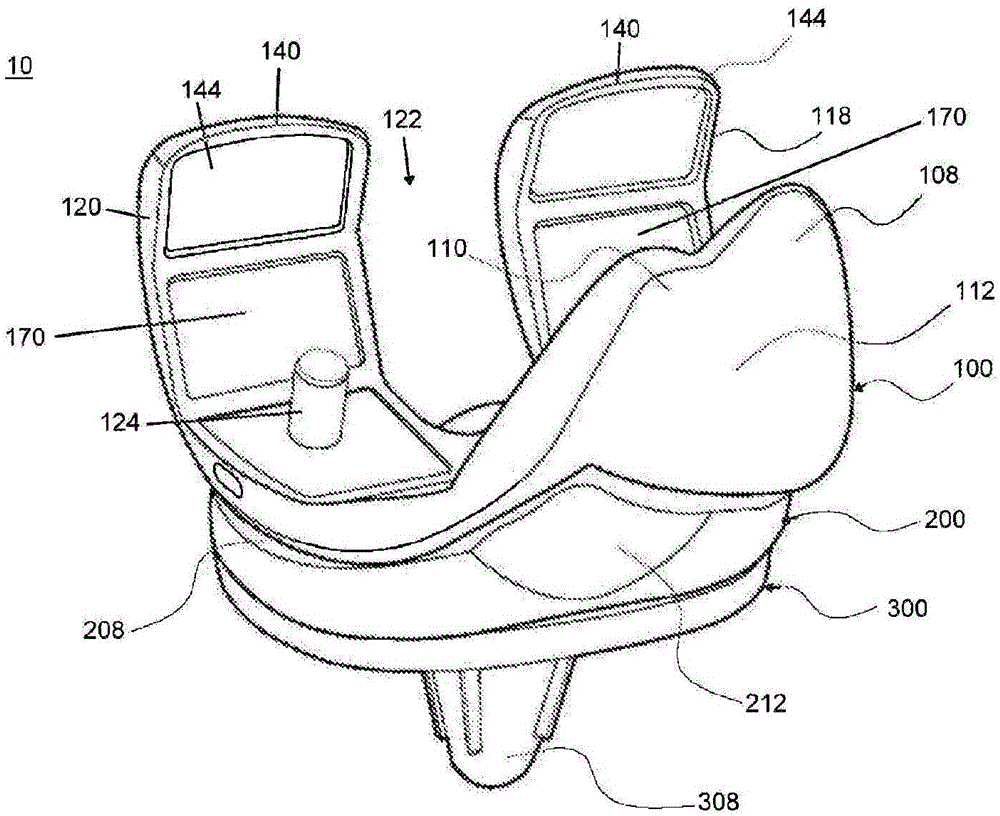
  • Figure 1
    Figure 1
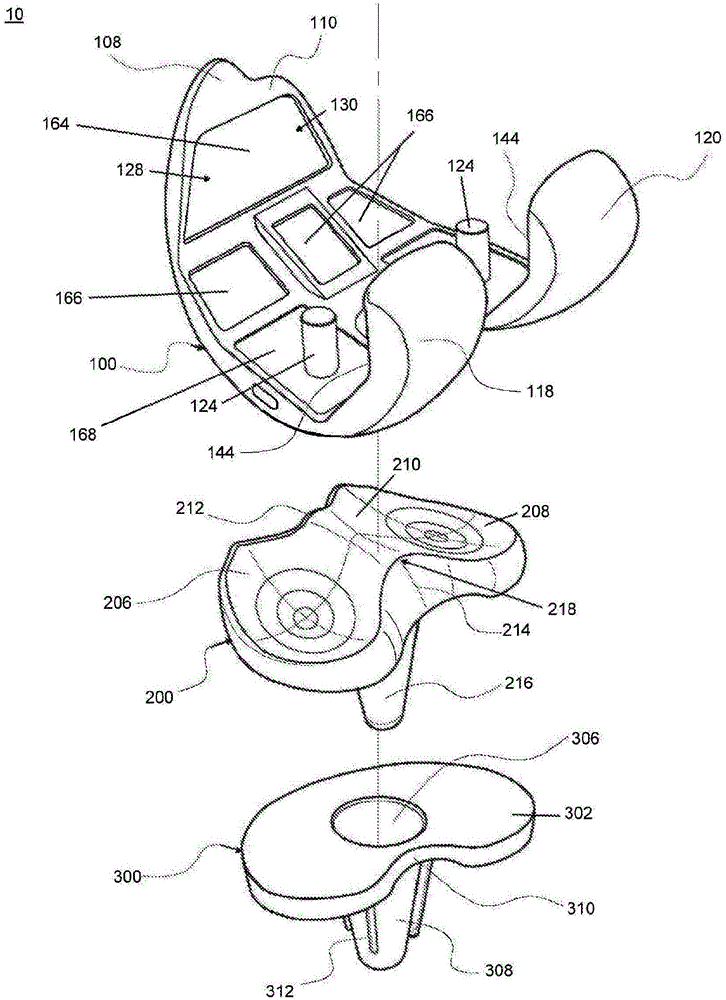
  • Figure 2
    Figure 2
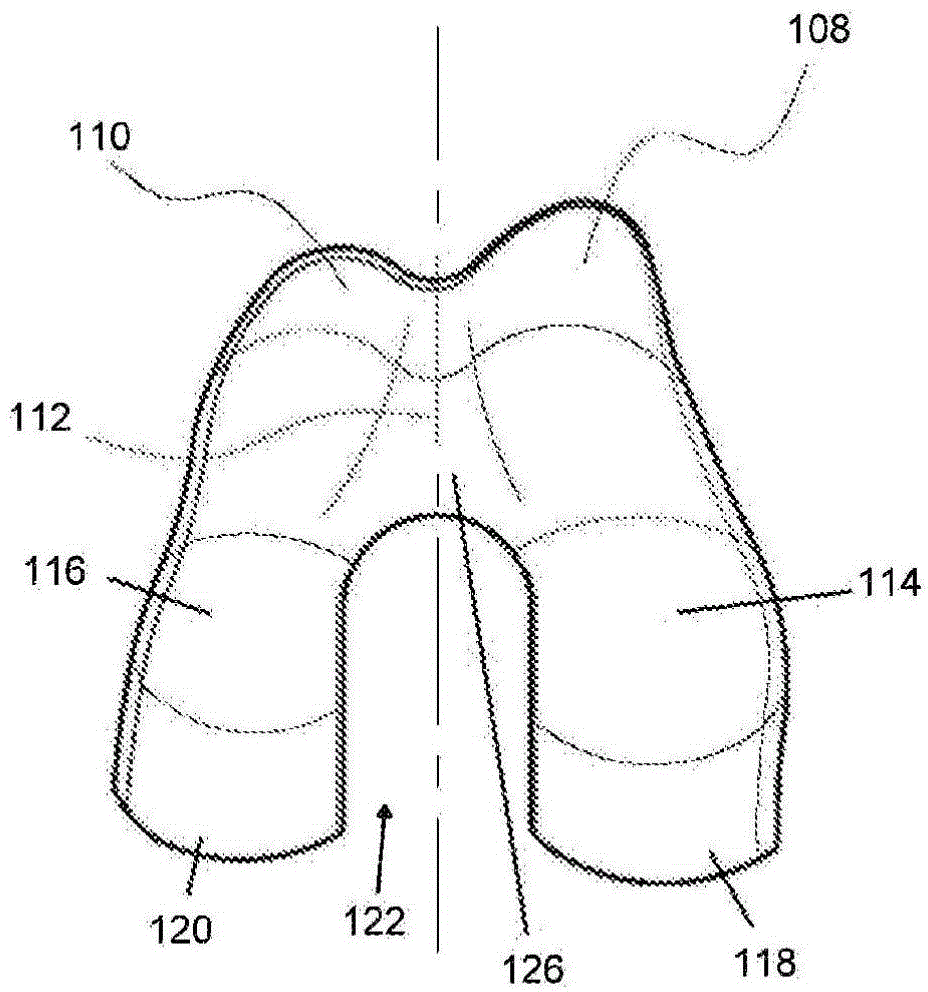
  • Figure 3
    Figure 3
Patent Text Reader

Abstract

A femoral knee replacement prosthesis is disclosed including a femoral component, a tibial bearing component, and a tibial platform component. The femoral component includes an anterior condyle with a proximal lateral aspect adjacent a proximal medial aspect and separated by a patella groove, a distal lateral aspect adjacent a distal condyle medial aspect, and a lateral posterior condyle parallel with a medial posterior condyle. The distal condyle lateral and medial aspects are inferior the proximal lateral and medial aspects and the lateral and medial posterior condyles extend posteriorly from the distal condyle lateral and medial aspects. The tibial bearing component includes a proximal side for mating with the femoral component and a distal side. The tibial platform component includes a proximal side with an opening for receiving the tibial bearing component and a distal side including a post adapted to be fixed in a tibia.
Need to check novelty before this filing date? Find Prior Art

Description

technical field

[0001] The present invention relates to devices, systems and methods for total knee arthroplasty. The present invention includes a femoral knee replacement prosthesis utilizing mobile bearing technology. Background technique

[0002] Existing inventions of knee replacement prostheses are not suitable for all patients as they are based on a western lifestyle and are made for implantation in elderly patients with limited activities in daily life. With improved healthcare around the world, people are living longer, and different ethnic groups have different lifestyles and knee compositions. As a result, orthopedic surgeons are performing implants on young patients with knee pain and degenerative changes in arthritis who are unwilling to sacrifice their lifestyles due to the limited range of motion afforded by older implants. Limited range of motion is a problem with current knee replacement prosthesis technology.

[0003] When an orthopedic surgeon considers ...

Examples

Embodiment Construction

[0033] In this application, the words "proximal," "distal," "anterior," "posterior," "inner," "outer," "superior," and "inferior" are defined by their standard The relative distribution of the bones indicates a specific location or portion of the bones or a prosthesis coupled to the bones, or is an orientation term for reference. For example, "proximal" refers to the part of the bone or prosthesis closest to the torso, while "distal" refers to the part of the bone or prosthesis farthest from the torso. As examples of directional usage of terms, "anterior" refers to the direction toward the front of the body; "posterior" refers to the direction toward the back of the body; " refers to a direction toward the lateral side, or away from the midline side of the body. Also, as an example of the directional usage of the terms, "upper" refers to a direction toward the top of the body or head, and "lower" refers to a direction toward the bottom of the body or feet. Such terms are ful...