
Germ cell hatching method in Micropterus salmoides early breeding process
A technology for largemouth bass and fertilized eggs, applied in climate change adaptation, fish farming, applications, etc., can solve the problems of fertilized egg death, low hatching survival rate, susceptibility to saprolegniasis, etc., and achieve good filtering effect and structure The effect of firming and preventing Saprolegniasis infection
- Summary
- Abstract
- Description
- Claims
- Application Information
AI Technical Summary
Problems solved by technology
Method used
Image

Examples
Embodiment Construction
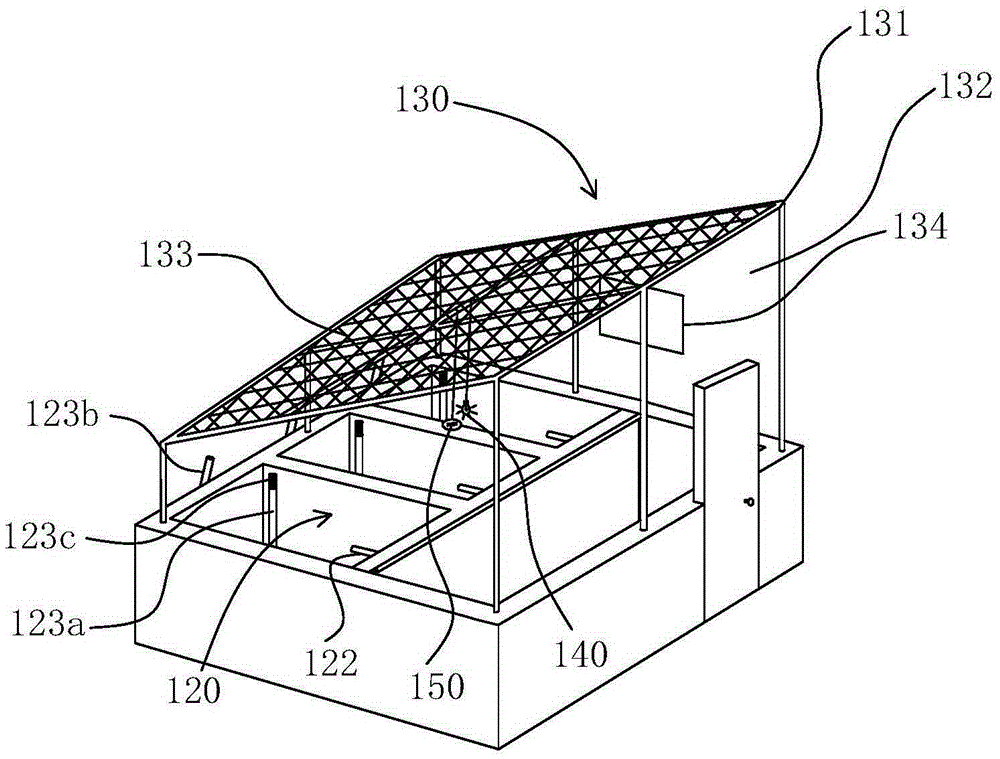
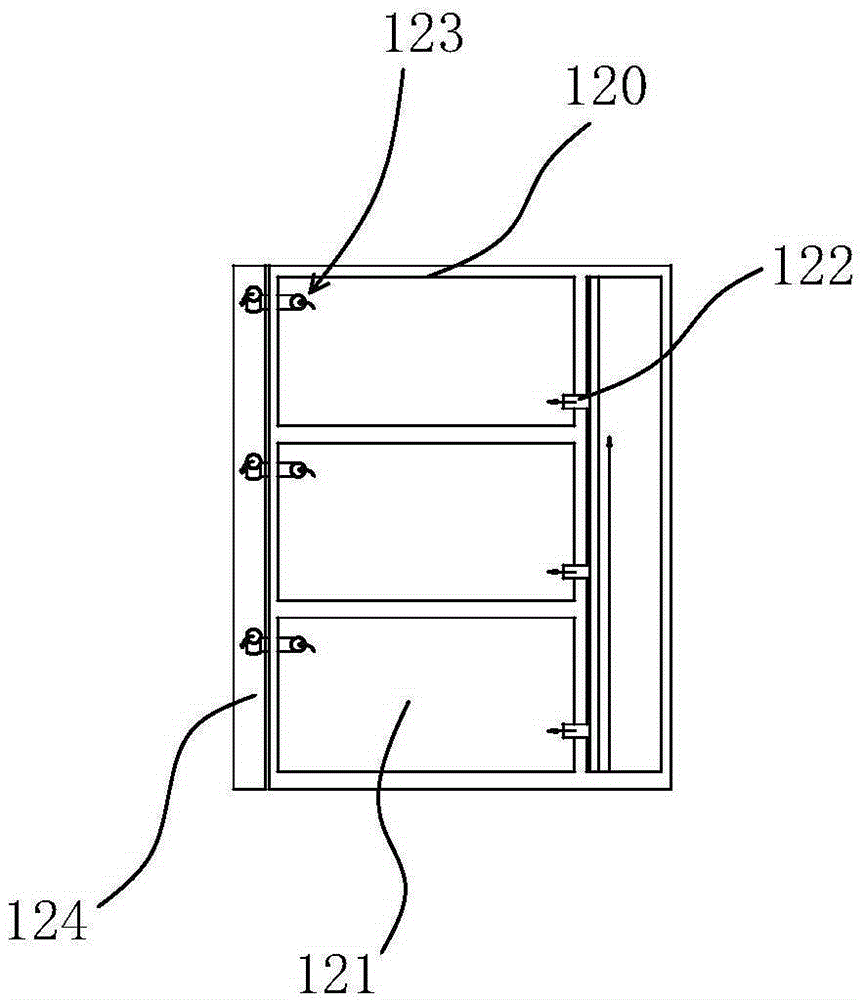
[0034] The hatching method comprises building a hatching greenhouse, putting artificial fish nests attached with fertilized eggs into a hatching pond in the hatching greenhouse, and establishing a temperature control system in the hatching greenhouse to control the water temperature of the hatching pond at 23-28°C. Practice has shown that establishing a temperature control system in the hatching pool and controlling the water temperature of the hatching pool at 23°C, 25°C, and 28°C can effectively prevent the fertilized eggs of largemouth bass from being infected with saprolegniasis and greatly improve the hatching survival rate of fertilized eggs. What needs to be explained is: in fact, during the production operation, the water temperature in the hatching pond is only controlled at 23-28°C when the outdoor water temperature is high in the later stage of reproduction; because in the early stage of reproduction, the water temperature in the spawning pond is about 18°C. The temp...
PUM
 Login to View More
 Abstract
Description
Claims
Application Information
 Login to View More