
Secondary intermediate heat exchanger for thermal coupling coaxial two-stage pulse pipe refrigerator and design method
A technology of intermediate heat exchanger and pulse tube refrigerator, applied in refrigerators, refrigeration components, refrigeration and liquefaction, etc., can solve problems such as large flow loss, and achieve the promotion of performance improvement, efficient heat exchange, and avoidance of invalid void volume. Effect
- Summary
- Abstract
- Description
- Claims
- Application Information
AI Technical Summary
Problems solved by technology
Method used
Image

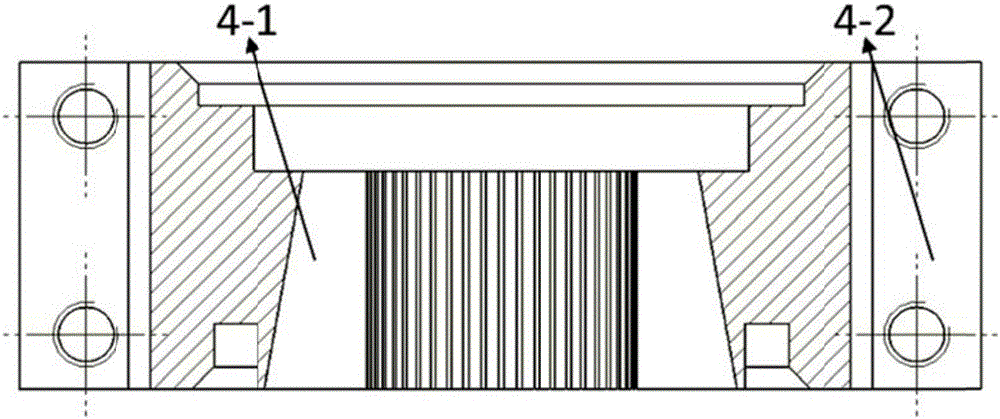
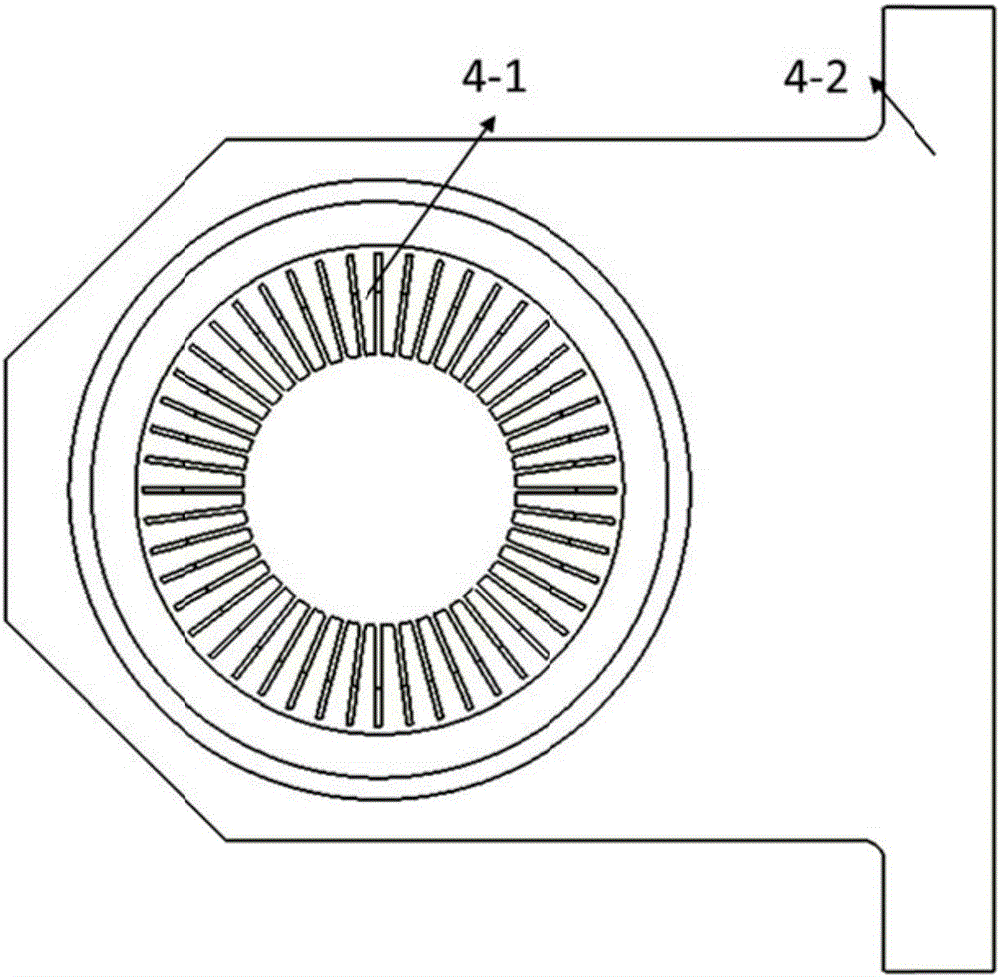
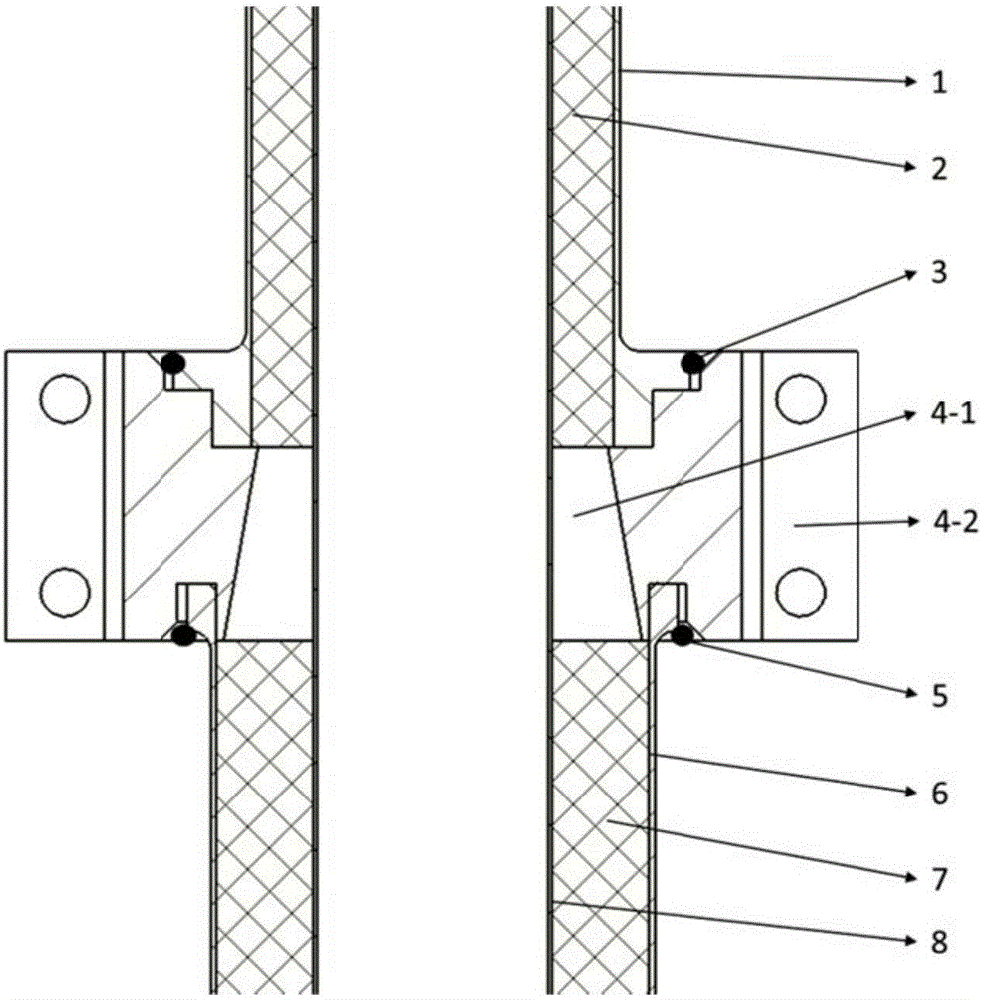
Examples
Embodiment Construction
[0027] The specific implementation of the present invention will be further described in detail below in conjunction with the drawings and embodiments. In the description of the present invention, it should be noted that the terms "center", "radial", "upper", "lower", "inner", "outer", "vertical", "horizontal", etc. indicate orientation or The positional relationship is based on the positional relationship shown in the drawings, which is only for the convenience of describing the present invention and simplifying the description, rather than indicating or implying the specific orientation, construction and operation in a specific orientation that the pointed device or element must have, and therefore cannot be understood To limit the present invention. In addition, the terms "first" and "second" are only used for descriptive purposes, and cannot be understood as indicating or implying relative importance. In addition, in the description of the present invention, unless otherwi...
PUM
 Login to View More
 Abstract
Description
Claims
Application Information
 Login to View More