Rodent depression model construction device and experiment system

A technology for depression and rodents, which is applied in the field of rodent depression modeling devices and experimental systems, can solve the problems of poor experimental stability, long modeling process, and low efficiency, so as to improve the quality of experiments and reduce operation steps , the effect of improving work efficiency

CN111567481AActive Publication Date: 2020-08-25SHANDONG UNIV OF TRADITIONAL CHINESE MEDICINE
5 Cites 6 Cited by

Patent Information

Authority / Receiving Office
CN · China
Patent Type
Applications(China)
Current Assignee / Owner
Publication Date
2020-08-25

Smart Images

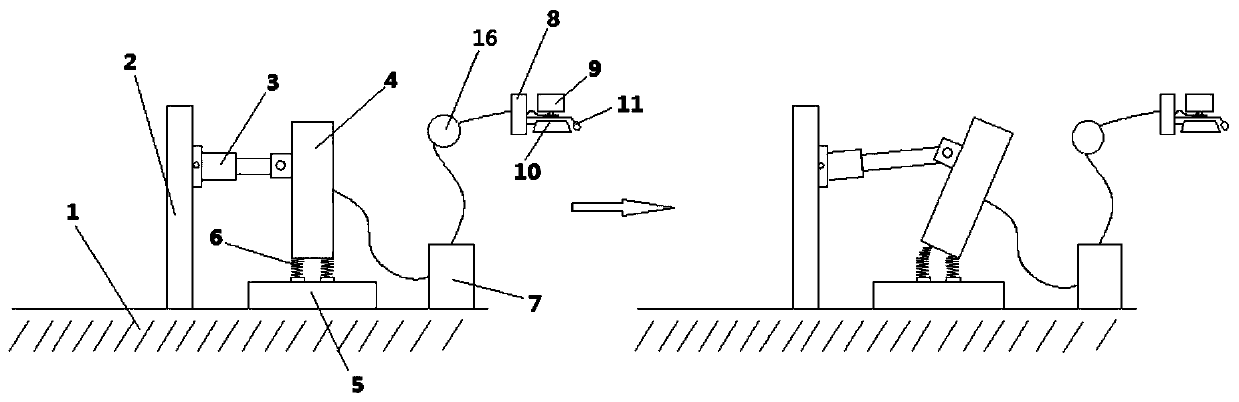
  • Figure 1
    Figure 1
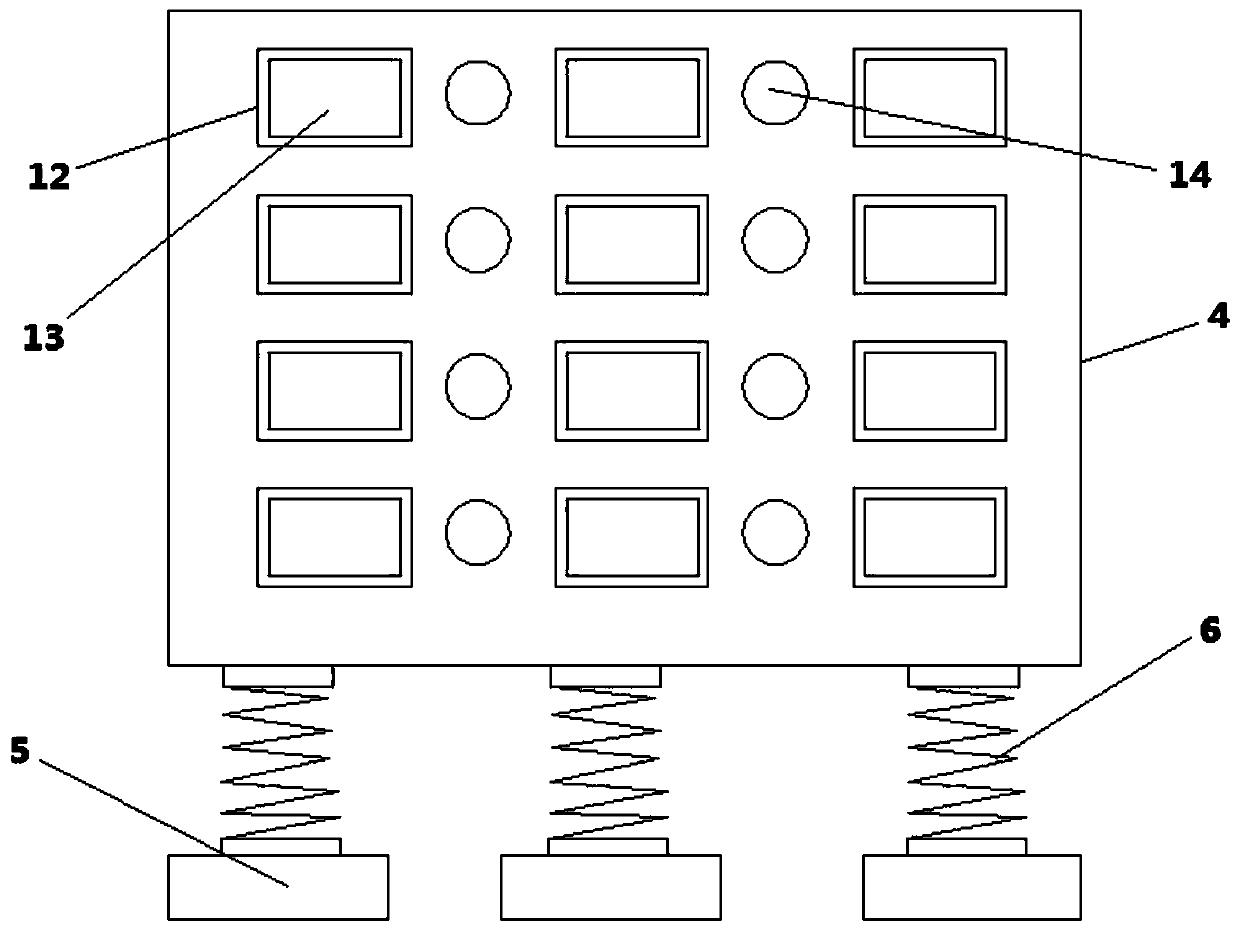
  • Figure 2
    Figure 2
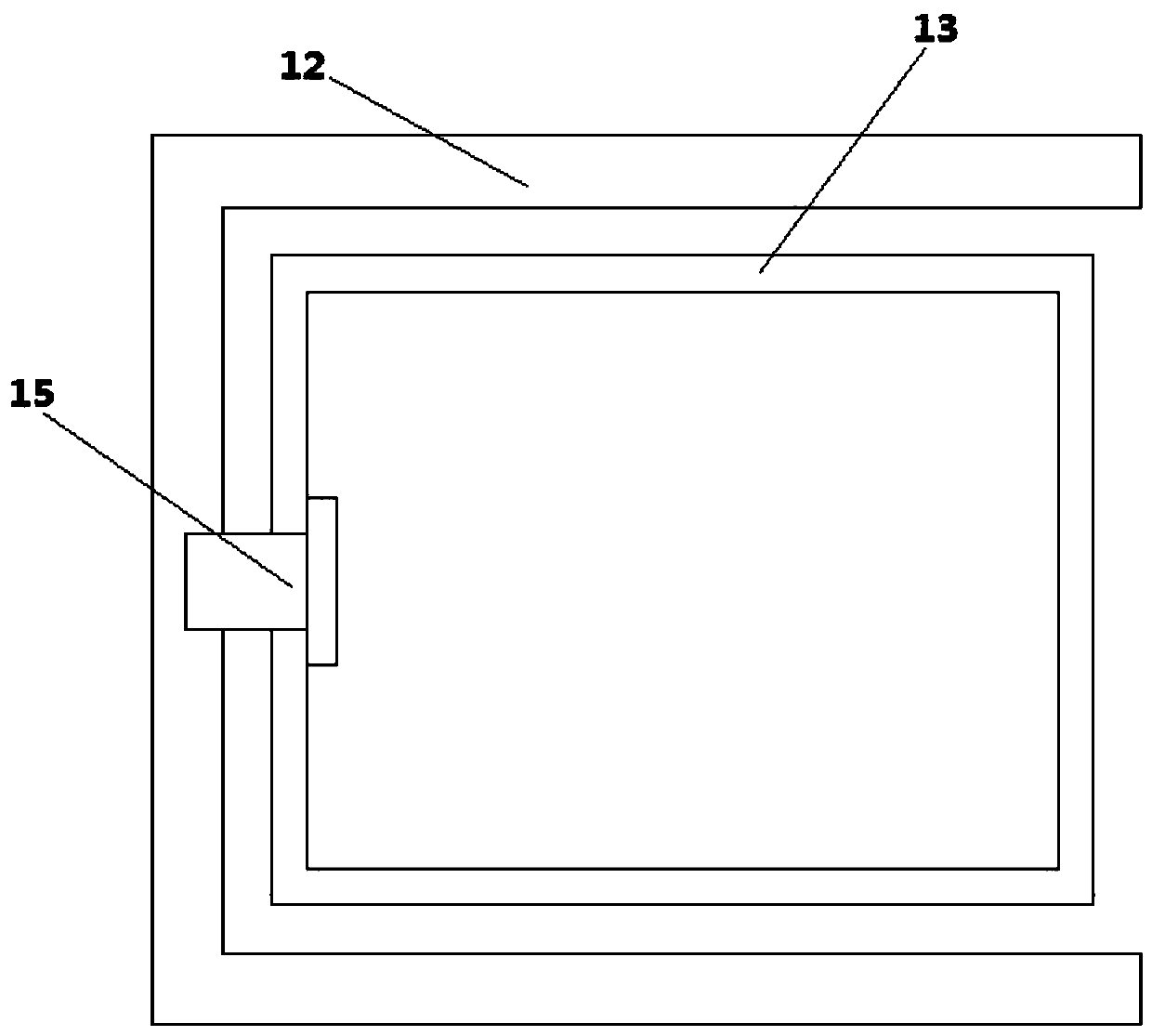
  • Figure 3
    Figure 3
Patent Text Reader

Abstract

The invention relates to a rodent depression model construction device and an experiment system, and relates to the technical field of animal experiment methods and equipment. The rodent depression model construction device comprises a cage frame and a control mechanism, wherein a plurality of cage positions are arranged in the cage frame; a cage body used for containing an experiment animal is fixedly connected in each cage position; a vibration motor is arranged under the cage frame; the top of the vibration motor is connected with the bottom of the cage frame through vibration springs; an electric telescopic rod is also arranged at the upper part of the back surface of the cage frame; the fixed end of the electric telescopic rod is hinged to a wall; the telescopic end of a lead screw ishinged to the back surface of the cage frame; an electric control cabinet is arranged in the control mechanism; and the electric telescopic rod and the vibration motor are electrically connected withthe electric control cabinet. The consistency, the synchronism and the timing performance of experiment operation can be ensured; the operation steps of experimenters can be reduced to the maximum extent; the work efficiency is greatly improved; and the experiment quality is improved, so that the depression molding is efficiently and smoothly completed.
Need to check novelty before this filing date? Find Prior Art

Description

Technical field

[0001] The invention relates to the technical field of animal experiment methods and equipment, in particular to a rodent depression model building device and an experiment system. Background technique

[0002] The chronic unpredictable stress (CUMS) depression model is an effective animal depression model. The CUMS stress process includes alternating short-term stress and long-term stress. The main stresses include: deprivation of drinking water, deprivation of food, 45° tilt, overnight humid, turn off the lights, strobe light, continuous light, white noise, heat stress in the oven at 42°C, shaking stress, and empty bottle stimulation (empty drinking water) ), peculiar smell stimulation, foreign body stimulation (also tail clipped, swimming in ice water, crowding, etc.), stress stimulation was performed continuously for 35 days. All stresses were randomly given to rats, and all stresses were given the same number of times. Model preparation process In, the rats...

Examples

Embodiment Construction

[0024] The following is a detailed description of the implementation of the present invention in a stepwise manner. The description is only a preferred embodiment of the present invention, and is not intended to limit the scope of protection of the present invention. It is in the spirit and principle of the present invention. Any modifications, equivalent replacements and improvements made within the scope of protection shall be included in the protection scope of the present invention.

[0025] In the description of the present invention, it should be noted that the directions or positional relationships indicated by the terms "up", "down", "left", "right", "top", "bottom", "inner", and "outer" are based on the drawings shown The orientation or positional relationship is only for describing the present invention and simplifying the description, rather than indicating or implying that the pointed device or element must have a specific orientation, and a specific orientation struct...