
Fixing method for long-distance transportation of trees
A fixed method and long-distance technology, applied in the direction of load fixing, transportation and packaging, and vehicles used for freight, can solve the problems of loss, low survival rate, and speed up tree nutrition, etc., to achieve the effect of reducing excessive consumption
- Summary
- Abstract
- Description
- Claims
- Application Information
AI Technical Summary
Problems solved by technology
Method used
Image

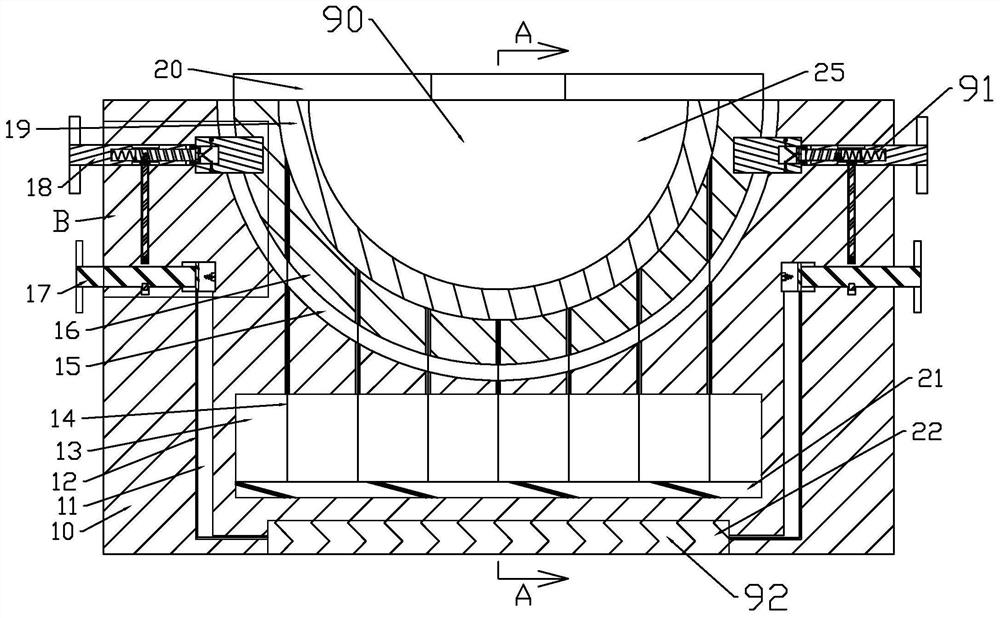
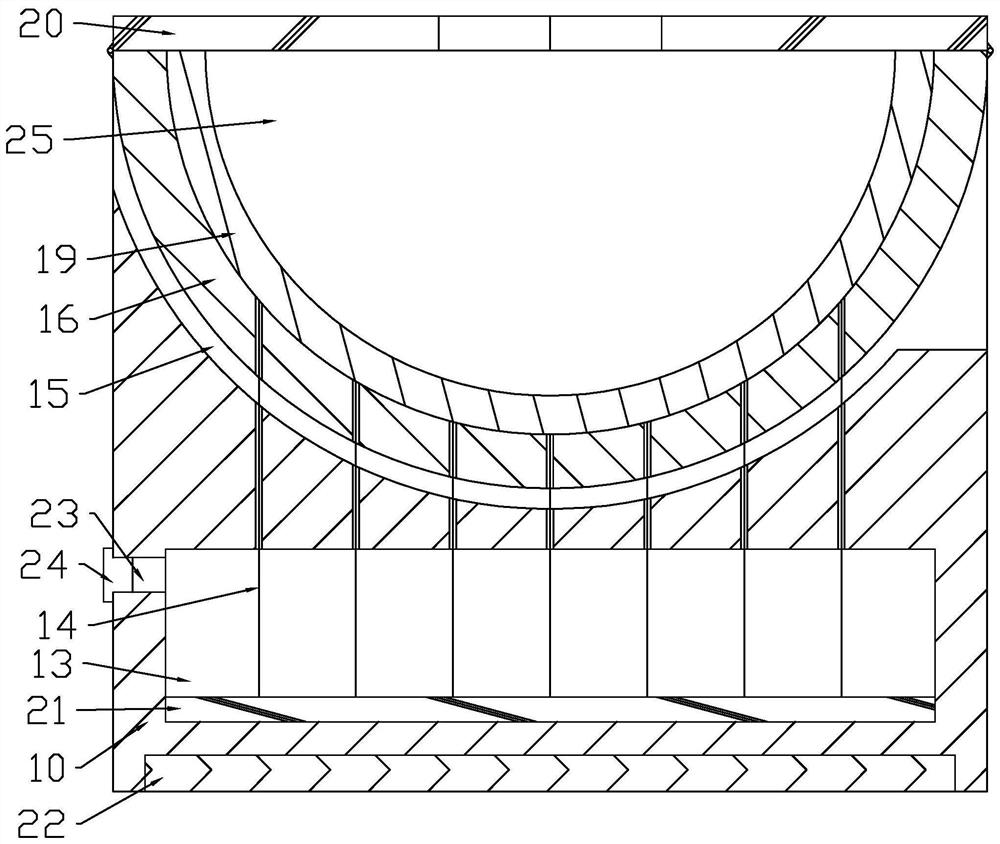
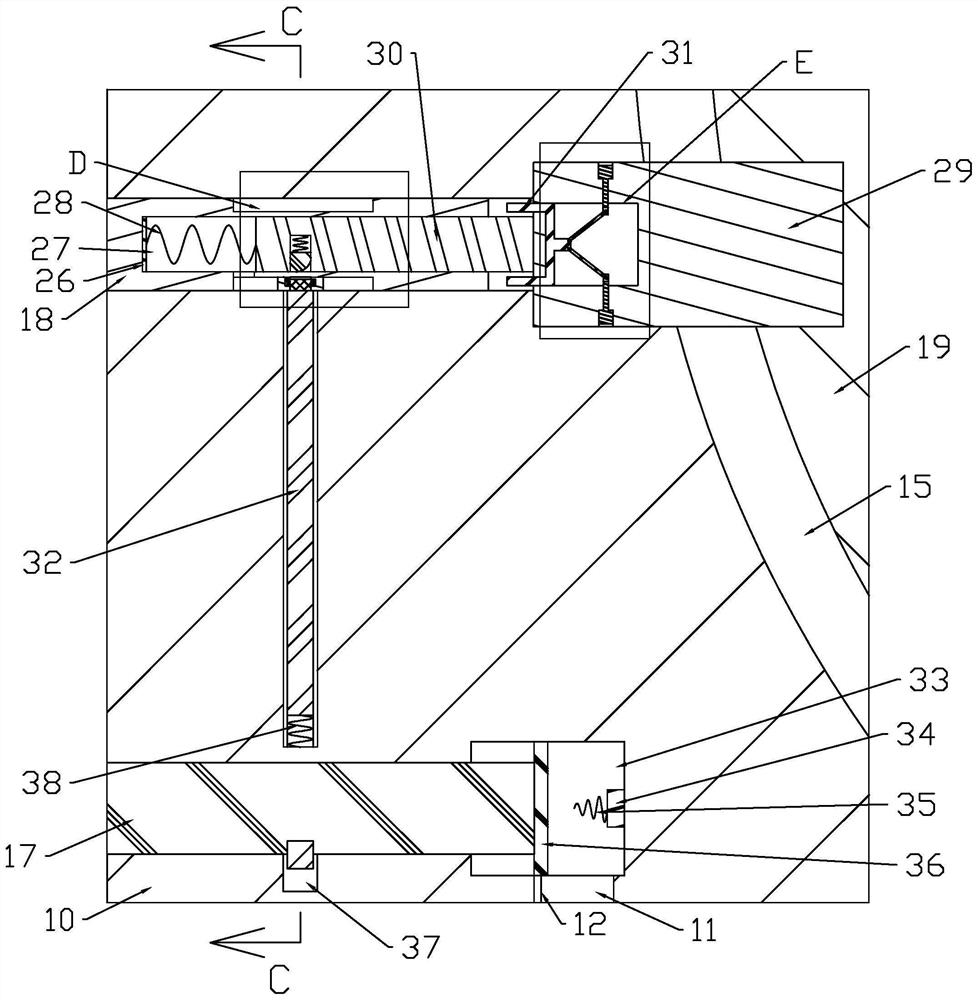
Examples
Embodiment Construction
[0030] The following are specific embodiments of the present invention and in conjunction with the accompanying drawings, the technical solutions of the present invention are further described, but the present invention is not limited to these embodiments.
[0031] In the description of the present invention, it should be noted that the orientation or positional relationship indicated by the terms "inner", "lower", etc. is based on the orientation or positional relationship shown in the drawings, or the conventionally placed position when the product of the invention is used. Orientation or positional relationship is only for the convenience of describing the present invention and simplifying the description, and does not indicate or imply that the referred device or element must have a specific orientation, be constructed and operated in a specific orientation, and thus should not be construed as a limitation of the present invention. In addition, the terms "first", "second", ...
PUM
 Login to View More
 Abstract
Description
Claims
Application Information
 Login to View More