
Composition, treatment agent for liquid crystal alignment, liquid crystal alignment film, and liquid crystal display element
A composition and polymer technology, applied in liquid crystal materials, chemical instruments and methods, coatings, etc., can solve problems such as the increase of substrate unevenness, and achieve the effects of suppressing pinholes, excellent coating properties, and excellent voltage retention.
Patent Information
- Authority / Receiving Office
- CN · China
- Patent Type
- Applications(China)
- Current Assignee / Owner
- Publication Date
- 2016-07-27
Smart Images
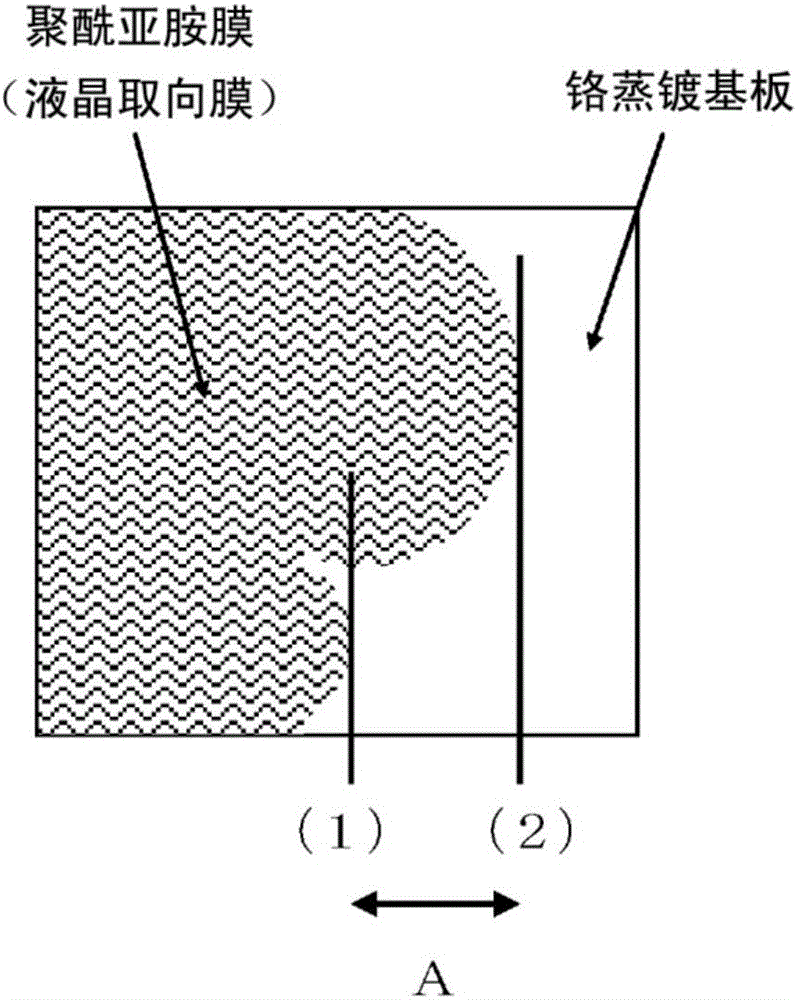
Figure 1 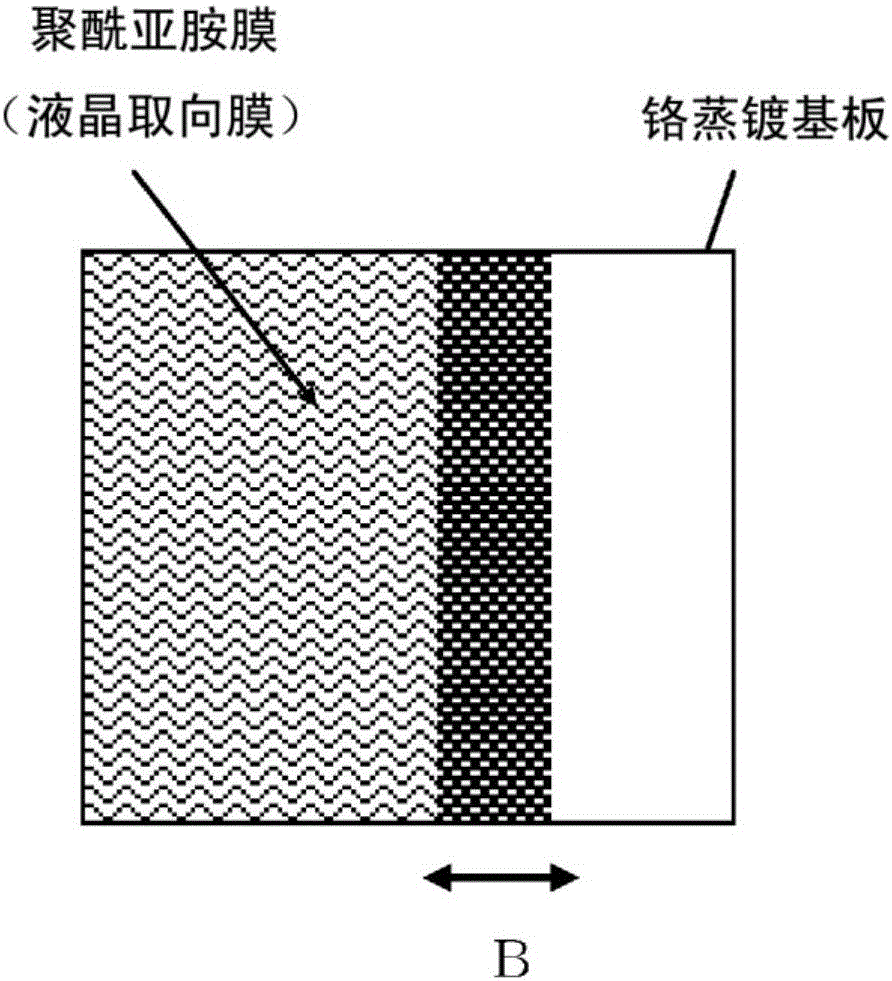
Figure 2 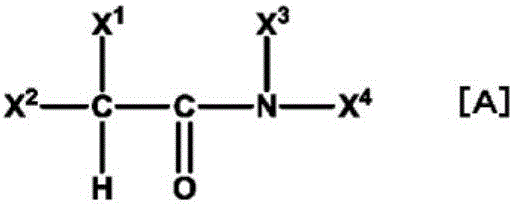
Figure 3
Abstract
Description
technical field
[0001] The present invention relates to a composition for forming a polyimide film, a liquid crystal alignment treatment agent for producing a liquid crystal display element, a liquid crystal alignment film obtained from the liquid crystal alignment treatment agent, and a liquid crystal display element using the liquid crystal alignment film . Background technique
[0002] Films made of organic materials such as polymer materials have attracted attention for their easiness of formation, insulating performance, and the like, and are widely used as interlayer insulating films and protective films in electronic devices. Among them, in a liquid crystal display element widely known as a display device, an organic film formed of an organic material is used as a liquid crystal aligning film.
[0003] In recent years, liquid crystal display elements have been widely used in large-screen LCD TVs and high-definition mobile applications (digital cameras, display parts ...
Examples
Embodiment
[0281] The following examples are given to illustrate the present invention in more detail, but are not limited thereto.
[0282] "Abbreviations used in the synthesis examples, examples and comparative examples of the present invention"
[0283] Abbreviations used in Synthesis Examples, Examples, and Comparative Examples are as follows.
[0284]
[0285] (Specific side chain type diamine compound of the present invention)
[0286] A1: 1,3-diamino-4-[4-(trans-4-n-heptylcyclohexyl)phenoxy]benzene (the invention has a specific side chain structure shown in formula [1-1] specific side chain type diamine compound)
[0287] A2: 1,3-diamino-4-[4-(trans-4-n-heptylcyclohexyl)phenoxymethyl]benzene (the specific side chain shown in the present invention has formula [1-1] Structure specific side chain type diamine compound)
[0288] A3: 1,3-diamino-4-{4-[trans-4-(trans-4-n-pentylcyclohexyl)cyclohexyl]phenoxy}benzene (with the formula [1-1 ] A specific side chain type diamine compou...
Synthetic example 1
[0336] Mix E1 (5.21g, 26.6mmol), A1 (5.12g, 13.5mmol) and B1 (2.05g, 13.5mmol) in S1 (37.1g) and react at 40°C for 8 hours to obtain a resin with a solid content concentration of 25 Mass % polyamic acid solution (1). The number average molecular weight of this polyamic acid was 25800, and the weight average molecular weight was 86900.
Synthetic example 2
[0338] Mix E2 (3.40g, 13.6mmol), B1 (4.19g, 27.6mmol) and D1 (0.74g, 6.89mmol) in S1 (24.7g), react at 80°C for 5 hours, add E1 (4.00g, 20.4 mmol) and S1 (12.3 g) were reacted at 40° C. for 6 hours to obtain a polyamic acid solution (2) having a resin solid content concentration of 25% by mass. The number average molecular weight of this polyamic acid was 26200, and the weight average molecular weight was 86400.