
Long-acting slow-release facial mask and preparation method thereof
A slow-release mask and long-acting technology, applied to medical preparations containing active ingredients, manufacturing tools, welding equipment, etc., can solve problems such as complex sources of raw materials, and achieve the effects of improving adsorption effect, avoiding pollution, and using safely
Patent Information
- Authority / Receiving Office
- CN · China
- Current Assignee / Owner
- Publication Date
- 2018-12-25
- Estimated Expiration
- Not applicable · inactive patent
Smart Images
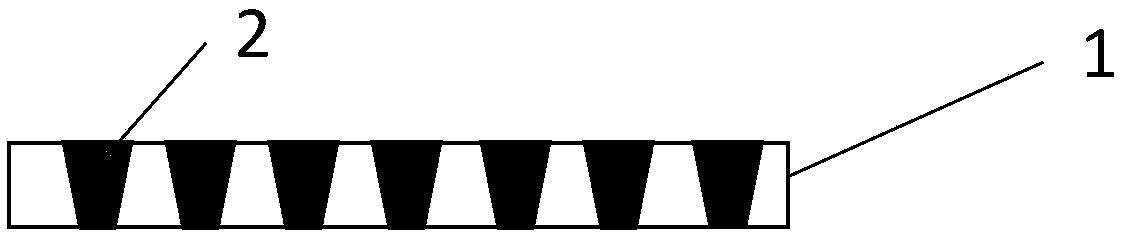
Figure 1 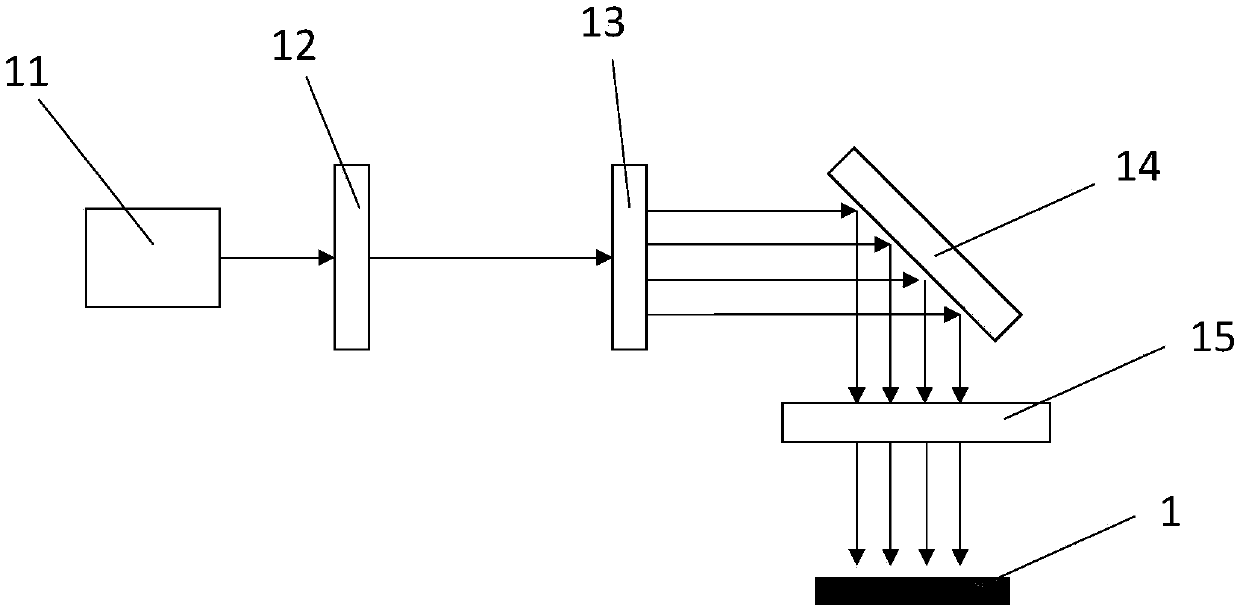
Figure 2 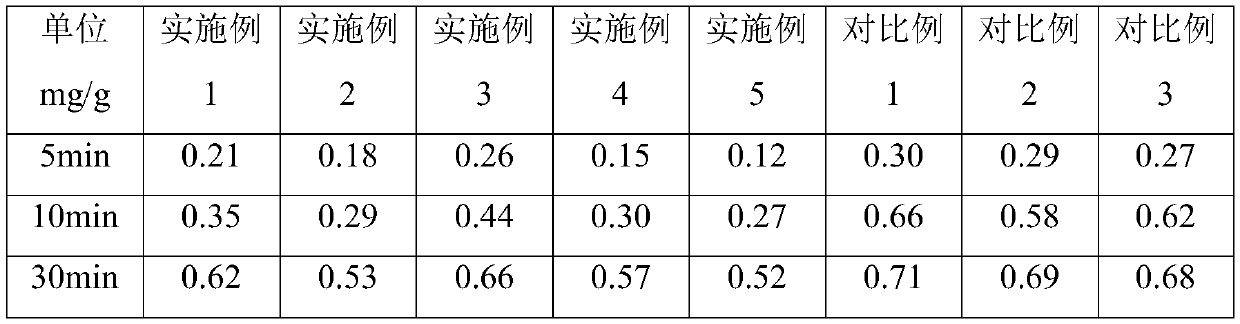
Figure 3
Abstract
Description
technical field
[0001] The invention relates to the field of cosmetics with cosmetic effects, in particular to a long-acting slow-release facial mask and a preparation method thereof. Background technique
[0002] The principle of the mask is to use the short time covered on the face to temporarily isolate the outside air and pollution, increase the temperature of the skin, expand the pores of the skin, promote the secretion and metabolism of sweat glands, increase the oxygen content of the skin, and help the skin to eliminate epidermal cells. The products of metabolism and accumulated oily substances, the moisture in the mask penetrates into the stratum corneum of the epidermis, the skin becomes soft, and the skin is naturally bright and elastic.
[0003] The facial mask that is widely used at present is mainly divided into a sheet mask and a coating mask. Among them, the patch mask is usually made of non-woven fabric, which is to absorb the prepared high-concentration nut...
Examples
Embodiment 1
[0033] S1. Polyester is used as raw material: the base fabric is obtained after opening, carding, spunlace reinforcement, and drying, with a thickness of 180 μm and an area of 15*15 cm.
[0034] S2. The laser source adopts CO2 laser, the pulse frequency is 30kHz, the power is 100W, the action time of single hole is 0.1ms, and the scanning rate is 50mm / s. The hole spacing is 100μm;
[0035] S3. prepare the block copolymer of polyethylene oxide and polyethylene terephthalate, deionized water as the solution containing hydrophilic agent, control the content of hydrophilic agent to be 30wt%, and heat the solution after mixing evenly to 60°C, then dip the porous base cloth into a solution containing a hydrophilic agent for 35 minutes to obtain a hydrophilic porous base cloth;
[0036]S4. Prepare a functional component solution containing 20 mg / mL of keratin, and soak the hydrophilic porous base cloth in the solution containing the functional component for 60 minutes to obtain a ...
Embodiment 2
[0038] The conditions are the same as in Example 1, wherein, after the microholes are processed by laser in step S2, the process of purging the formed microholes with a cooling medium (nitrogen at 20°C) is also included immediately, and the single hole purging time is 0.2s.
Embodiment 3
[0040] S1. Polyester is used as raw material: the base fabric is obtained after opening, carding, spunlace reinforcement, and drying, with a thickness of 180 μm and an area of 15*15 cm.
[0041] S2. The laser source adopts CO2 laser, the pulse frequency is 30kHz, the power is 100W, and the action time of a single hole is 0.1ms. The hole diameter is 80μm and the hole depth is 180μm (punched through the base fabric to form a through hole); the hole spacing is 1mm;
[0042] S3. prepare the block copolymer of polyethylene oxide and polyethylene terephthalate, deionized water as the solution containing hydrophilic agent, control the content of hydrophilic agent to be 30wt%, and heat the solution after mixing evenly to 60°C, then dip the porous base cloth into a solution containing a hydrophilic agent for 35 minutes to obtain a hydrophilic porous base cloth;
[0043] S4. Prepare a functional component solution containing 20 mg / mL of keratin, and soak the hydrophilic porous base cl...