
Method for detecting microRNA associated with Salmonella enteritidis infection of chickens
A technology of Salmonella enteritidis and Salmonella, applied in the field of bioengineering
Inactive Publication Date: 2014-09-10
SHANDONG AGRICULTURAL UNIVERSITY
View PDF1 Cites 14 Cited by
- Summary
- Abstract
- Description
- Claims
- Application Information
AI Technical Summary
Problems solved by technology
So far no studies have identified microRNAs associated with Salmonella enteritidis infection in chickens by Solexa sequencing
Method used
the structure of the environmentally friendly knitted fabric provided by the present invention; figure 2 Flow chart of the yarn wrapping machine for environmentally friendly knitted fabrics and storage devices; image 3 Is the parameter map of the yarn covering machine
View moreImage
Smart Image Click on the blue labels to locate them in the text.
Smart ImageViewing Examples

Examples
Experimental program
Comparison scheme
Effect test
Embodiment Construction
[0038] The technical solution of the present invention will be further described in detail below in conjunction with the accompanying drawings and specific embodiments.
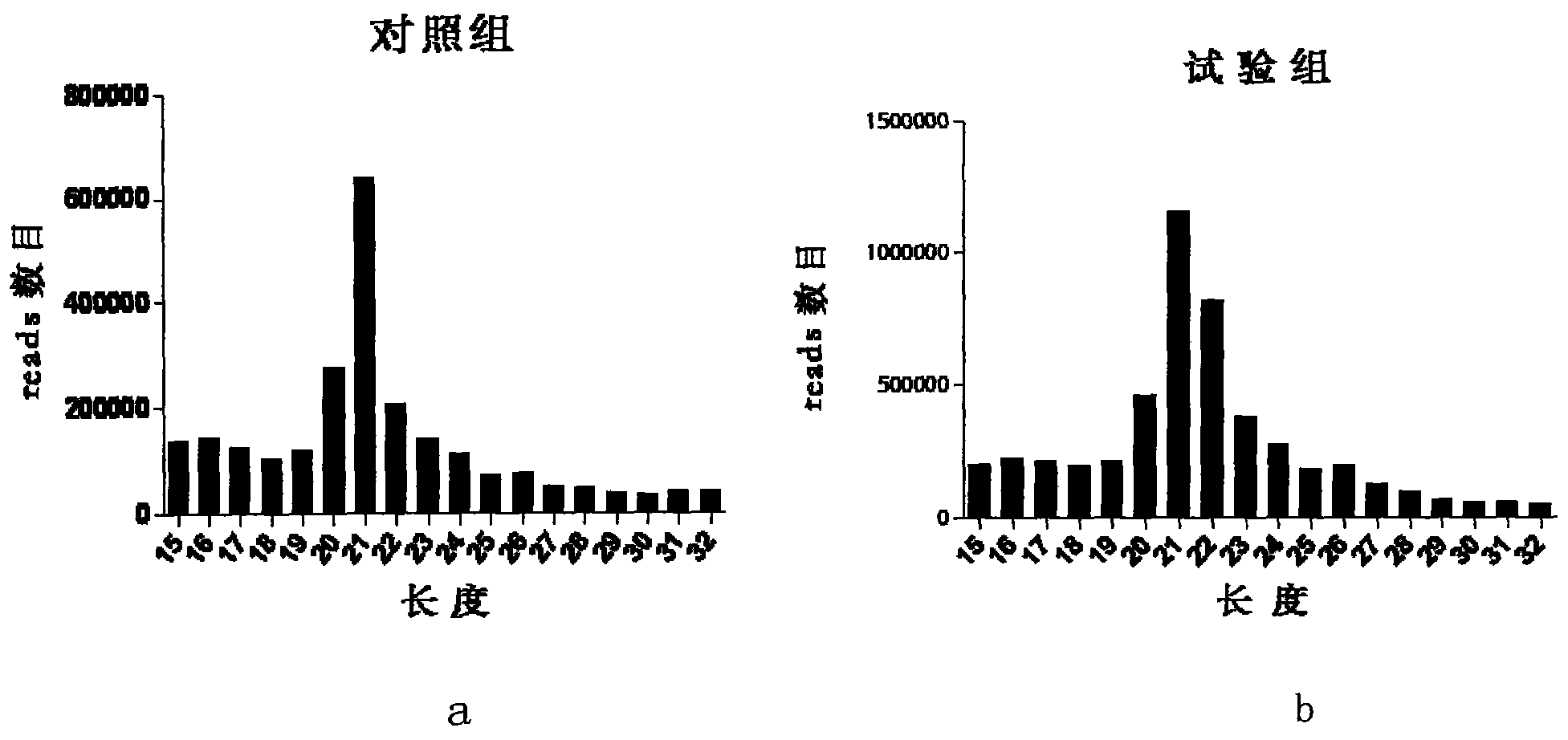
[0039] The white Legion laying hens were divided into the test group and the control group. The test group was inoculated with Salmonella Enteritidis, and the control group was inoculated with phosphate buffered saline (PBS). Seven days after inoculation, small intestinal tissue samples were collected, and total RNA was extracted with a kit.
the structure of the environmentally friendly knitted fabric provided by the present invention; figure 2 Flow chart of the yarn wrapping machine for environmentally friendly knitted fabrics and storage devices; image 3 Is the parameter map of the yarn covering machine
Login to View More PUM
 Login to View More
 Abstract
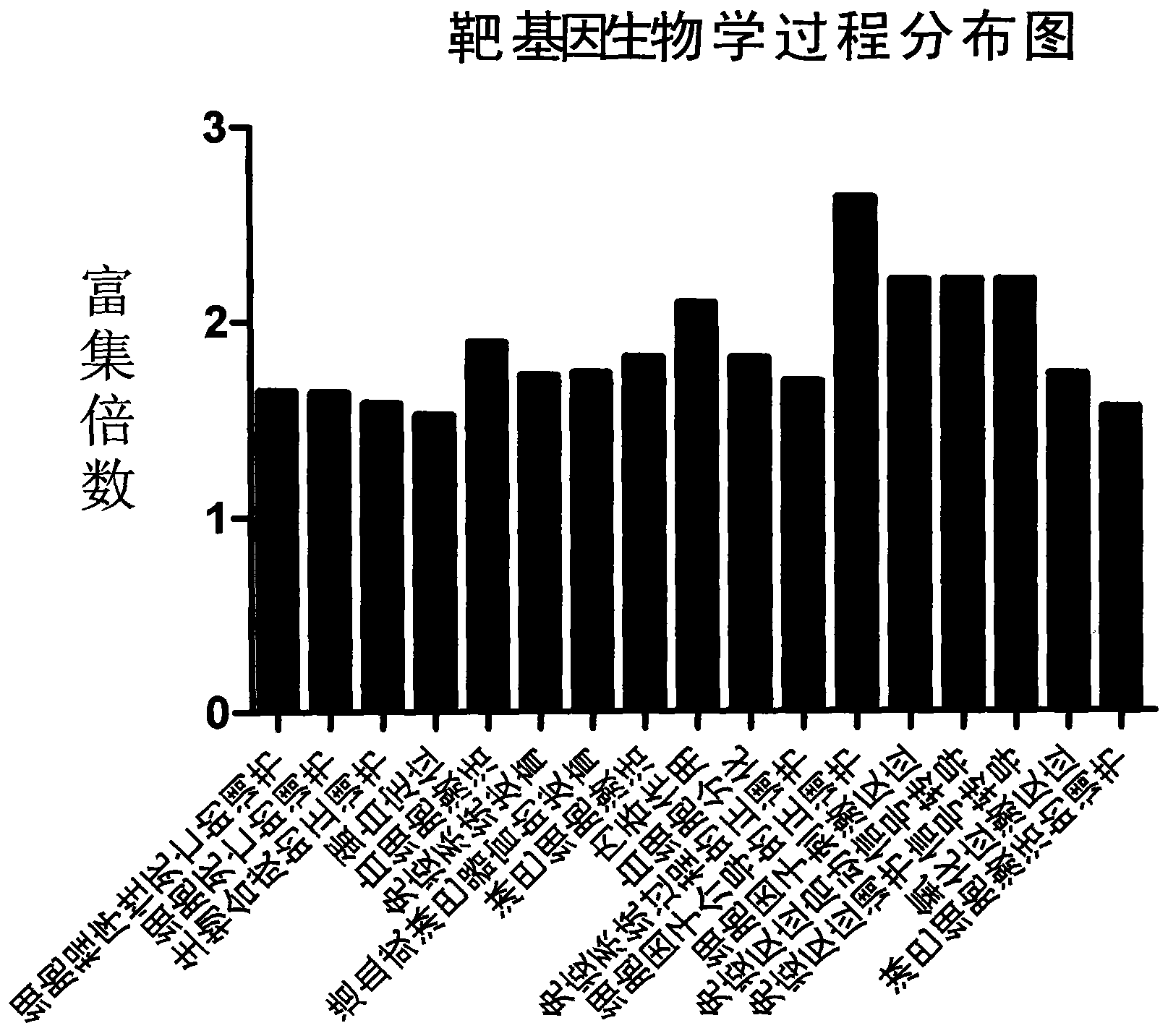
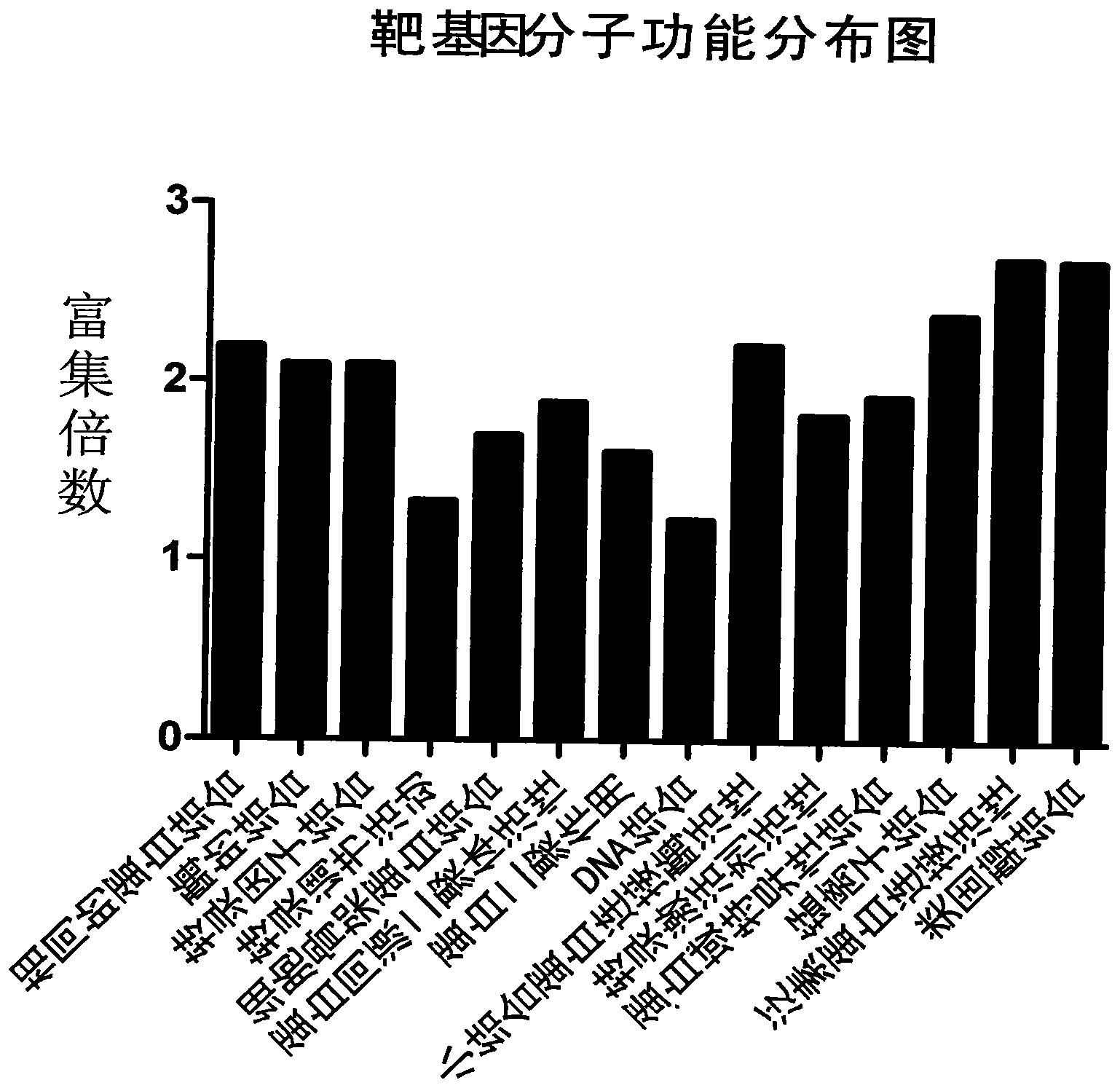
The invention discloses a method for detecting microRNA associated with Salmonella enteritidis infection of chickens. The microRNA associated with Salmonella enteritidis infection of chickens is identified by a Solexa high-throughput sequencing technology, the functions of microRNA-related target genes and signaling pathways on which the target genes act are further analyzed by bioinformatic related technologies, microRNA and the information thereof are integrated and microRNA associated with Salmonella enteritidis infection is screened. The seventh day of chickens infected with Salmonella enteritidis is selected as a sample collection point; a plurality of individuals in treated groups and control groups are sequenced in a mixed pool, the number of the mixed pools within each group is equal to or greater than 3; since microRNA associated with Salmonella enteritidis infections of chickens is analyzed and identified for the first time in a large scale, the method lays a foundation for deeply studying the mechanism of action of microRNA in Salmonella enteritidis infection and provides the theoretical basis and scientific basis for molecular disease-resistant genetic breeding of chickens.
Description
technical field [0001] The invention belongs to the technical field of bioengineering and relates to a method for detecting microRNA associated with Salmonella enteritidis gallinarum infection. Background technique [0002] Salmonella enteritidis (Salmonella enteritidis) is a Gram-negative bacterium and is one of the world-recognized food-borne pathogens. threaten. This kind of bacteria mainly causes human poisoning and even death through animal food sources, mainly including meat, eggs, milk and related products. Salmonella can invade cells and release toxins. The invasion process is to first form a needle-like protrusion on its surface to contact the target cell. Some special proteins reach the target cell through the needle-like protrusion and destroy the cell membrane structure, so that Salmonella cells can invade into the cell. Release of toxic proteins in target cells. [0003] MicroRNA is a kind of endogenous non-coding RNA with regulatory function found in eukaryo...
Claims
the structure of the environmentally friendly knitted fabric provided by the present invention; figure 2 Flow chart of the yarn wrapping machine for environmentally friendly knitted fabrics and storage devices; image 3 Is the parameter map of the yarn covering machine
Login to View More Application Information
Patent Timeline
 Login to View More
 IPC IPC(8): C12Q1/68C12Q1/04
CPCC12Q1/6869C12Q1/689C12Q2600/178C12Q2535/122Y02A50/30
Inventor李显耀吴桂贤刘丽英齐玉凯王莎莎
OwnerSHANDONG AGRICULTURAL UNIVERSITY