
System and Method for Encoding and Decoding Data Files
a data file and data compression technology, applied in the field of compression and decompression of data files, can solve the problems of reducing the overall bandwidth required for the transfer, and achieve the effect of reducing the required bandwidth for data communication, reducing the overall bandwidth required for the transfer, and reducing compression processing tim
- Summary
- Abstract
- Description
- Claims
- Application Information
AI Technical Summary
Benefits of technology
Problems solved by technology
Method used
Image

Examples
Embodiment Construction
[0031] Although the exemplary embodiments will be described generally in the context of software modules running in a distributed computing environment, those skilled in the art will recognize that the present invention also can be implemented in conjunction with other program modules for other types of computers. In a distributed computing environment, program modules may be physically located in different local and remote memory storage devices. Execution of the program modules may occur locally in a stand-alone manner or remotely in a client / server manner. Examples of such distributed computing environments include local area networks of an office, enterprise-wide computer networks, and the global Internet.
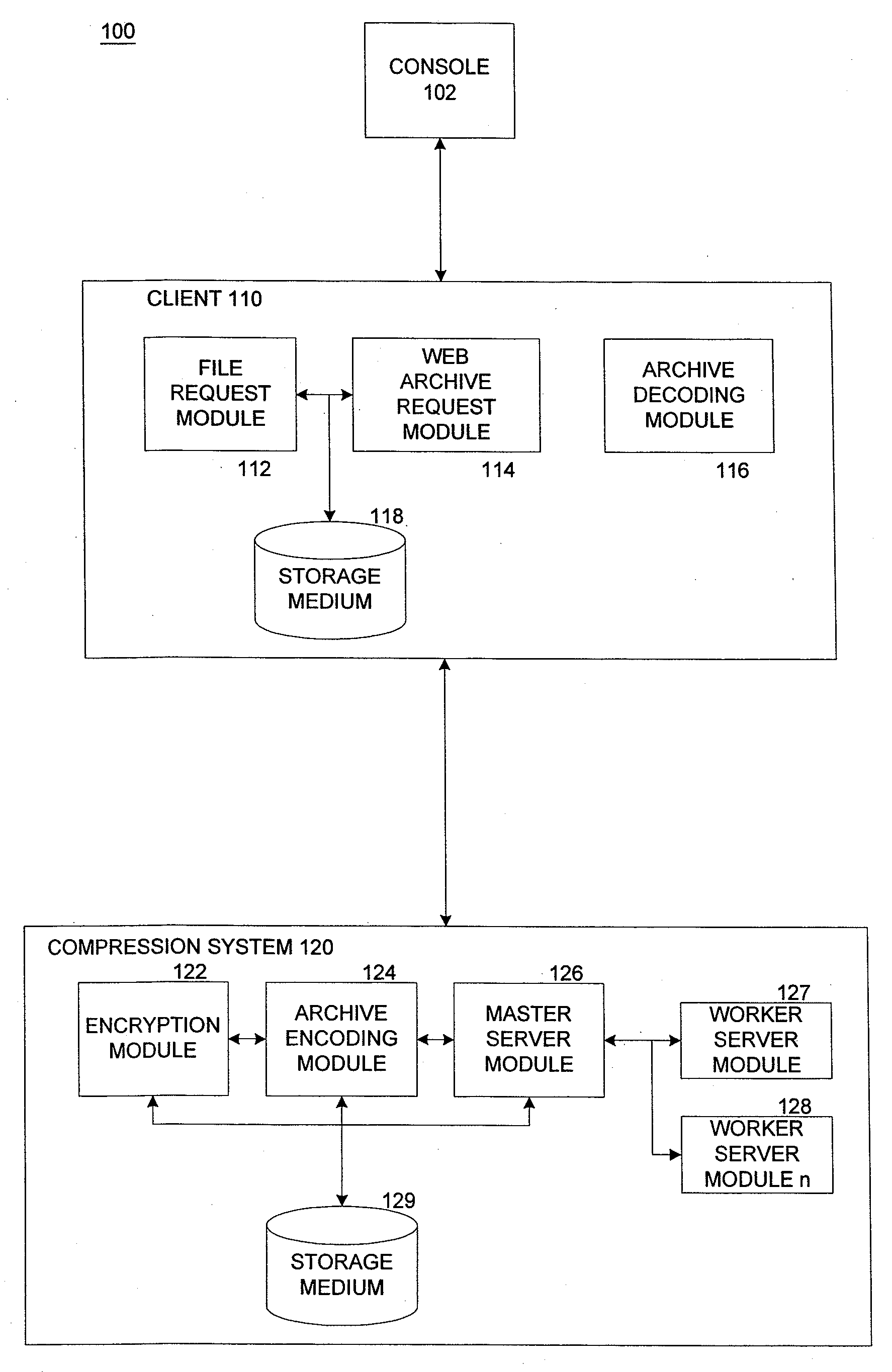
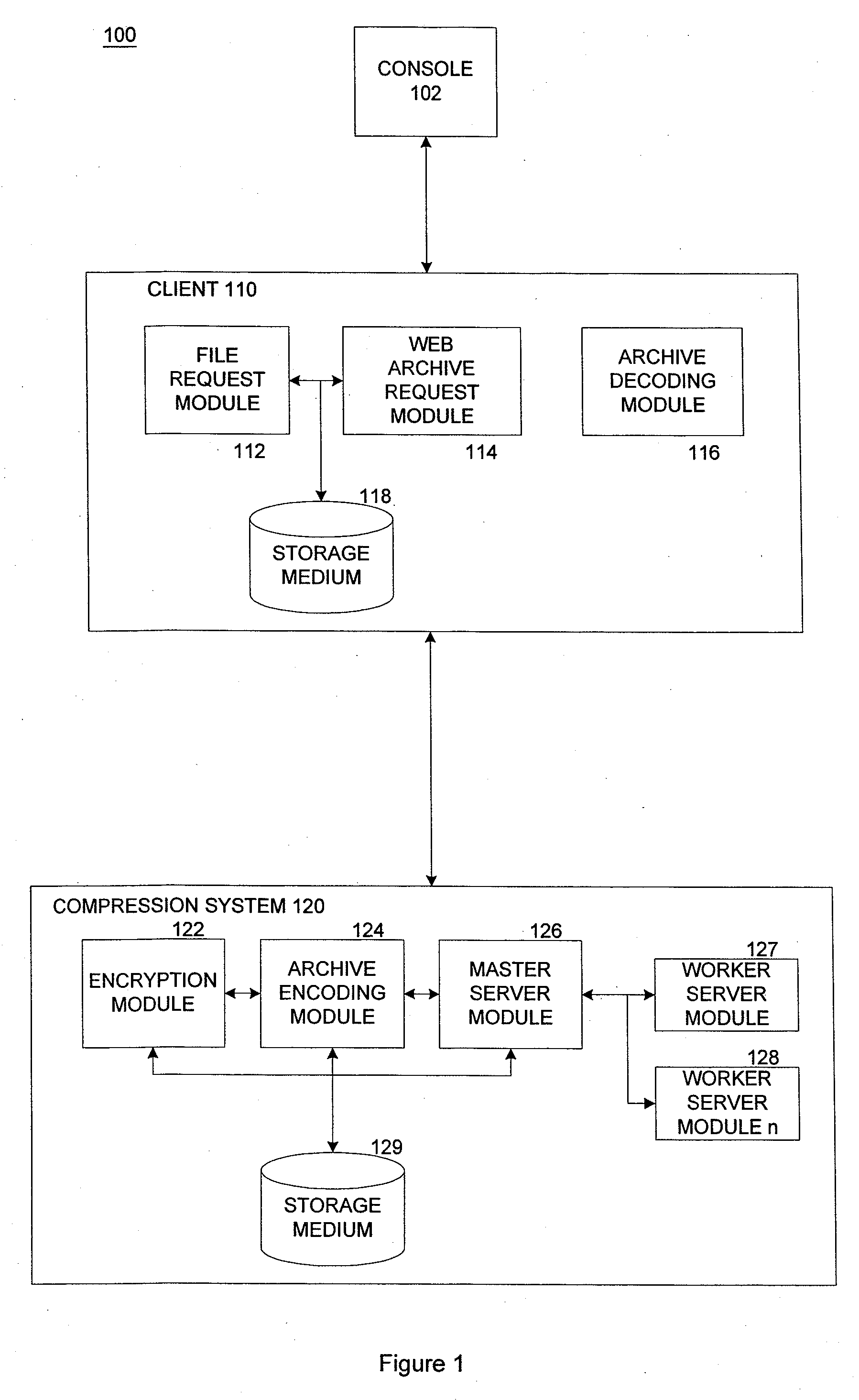
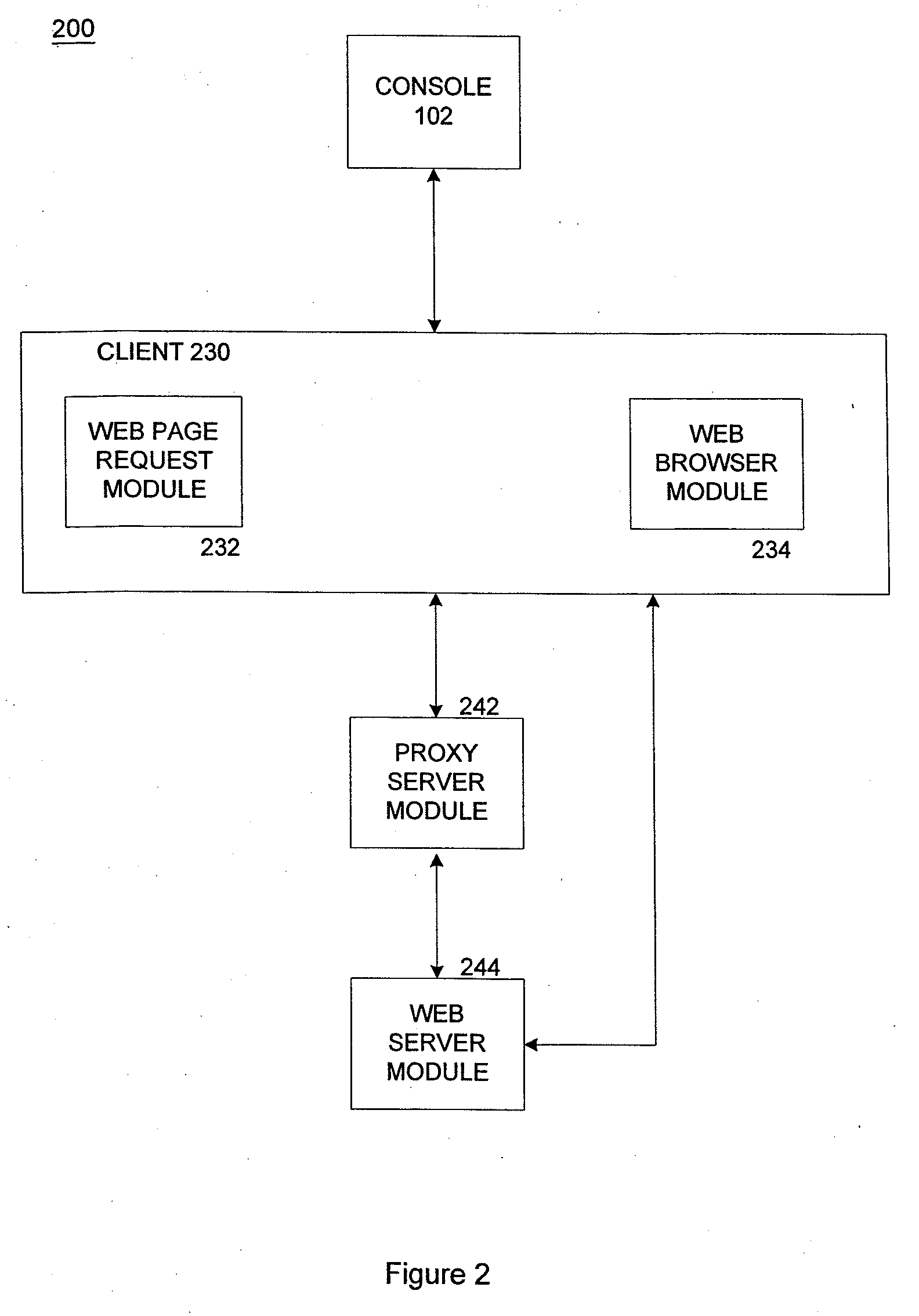
[0032] The detailed description that follows is represented largely in terms of processes and symbolic representations of operations in a distributed computing environment by conventional computer components, including master servers, worker servers, proxy servers, web servers...
PUM
 Login to View More
 Abstract
Description
Claims
Application Information
 Login to View More