
Decoder and decoding method thereof for min-sum algorithm low density parity-check code
a low density parity-check and code technology, applied in the field of density parity-check code decoder and decoding method thereof, can solve the problems of data loss or damage, data collision, circuit area, calculating complexity that needs improvement, and the cost of the traditional coder in the way of sharing memory storage will be raised with the length of coding data and string increasing, so as to avoid data collision and low density parity-check
- Summary
- Abstract
- Description
- Claims
- Application Information
AI Technical Summary
Benefits of technology
Problems solved by technology
Method used
Image

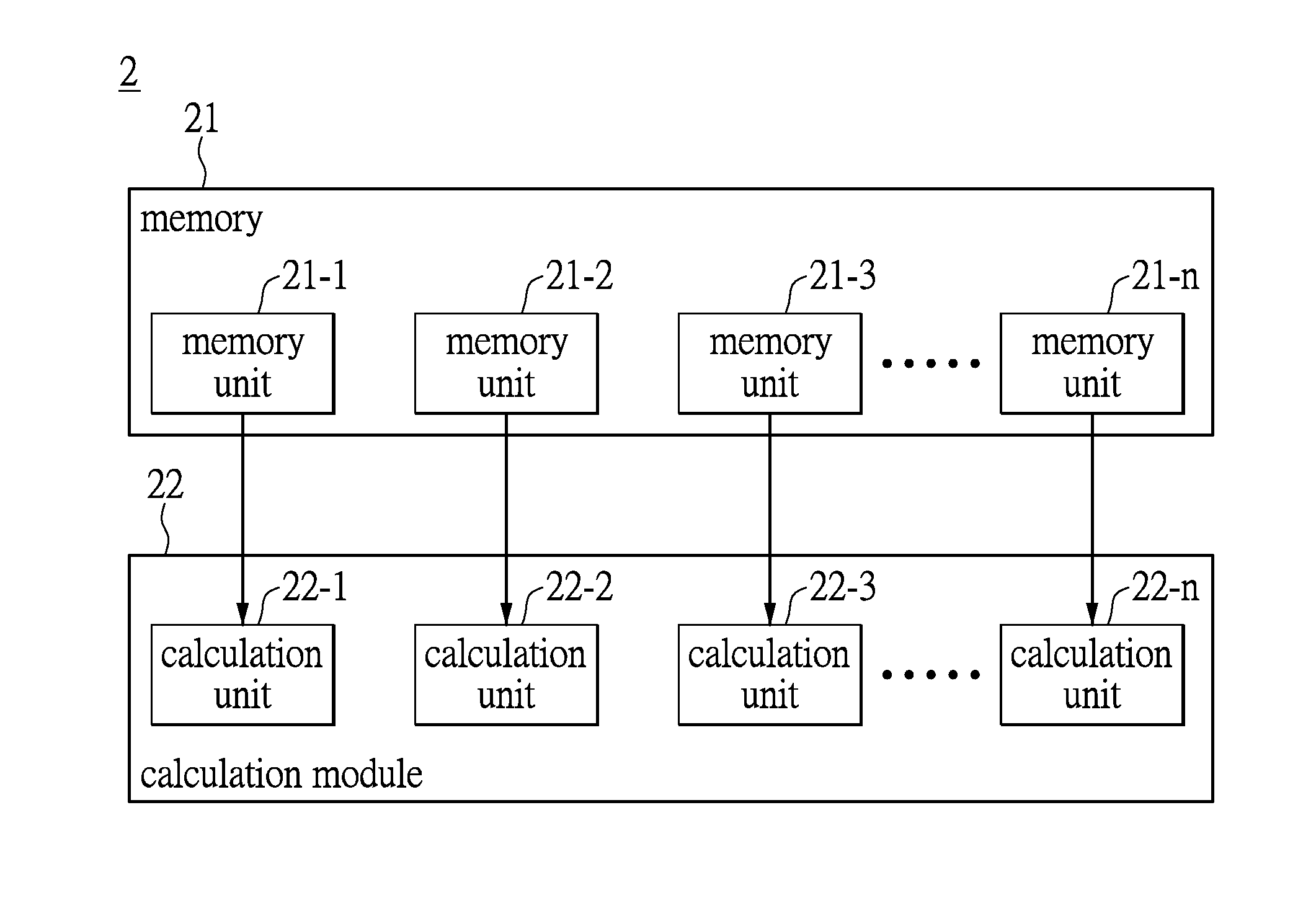
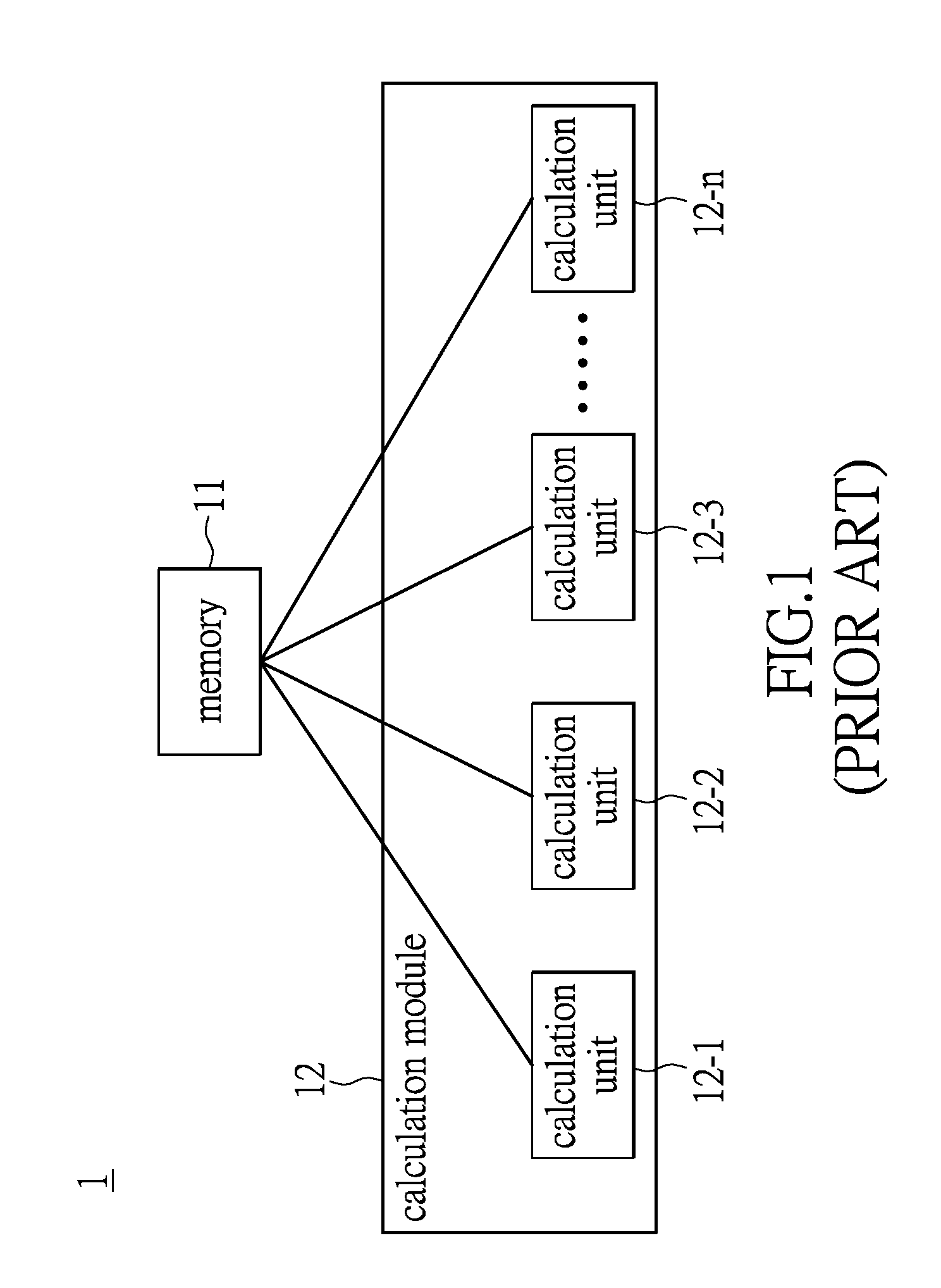
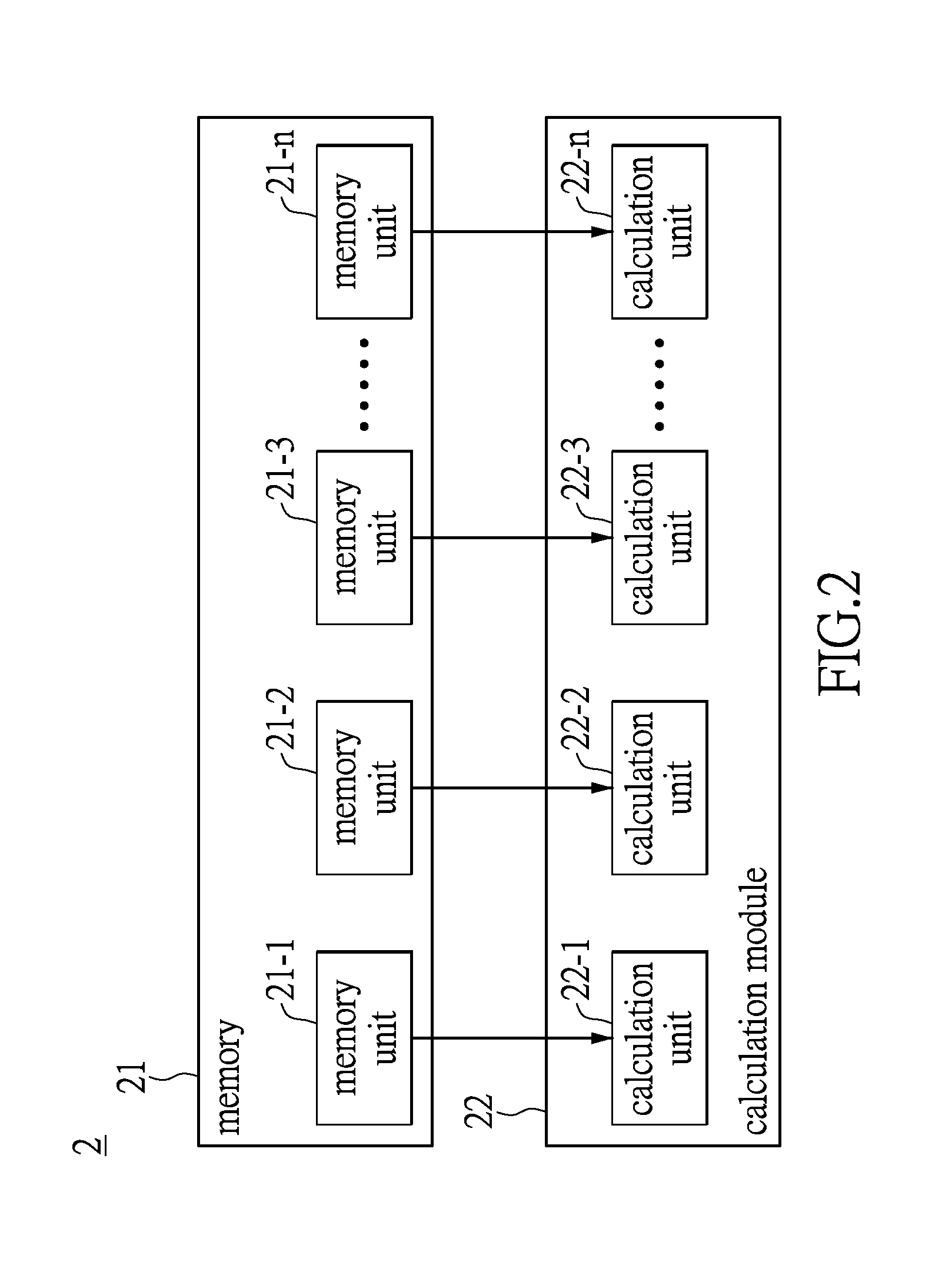
Examples
Embodiment Construction
[0016]Reference will now be made in detail to the exemplary embodiments of the present disclosure, examples of which are illustrated in the accompanying drawings. However, they may be embodied in different forms and should not be construed as limited to the embodiments set forth herein. In the drawings, the thickness and relative thickness of layers and regions may be exaggerated for clarity. Wherever possible, the same reference numbers are used in the drawings and the description to refer to the same or like parts.
[0017]It will be understood that, although the terms ‘first’, ‘second’, ‘third’, etc., may be used herein to describe various elements, these elements should not be limited by these terms. The terms are used only for the purpose of distinguishing one component from another component. Thus, a first element discussed below could be termed a second element without departing from the teachings of the embodiments. As used herein, the term “or” includes any and all combination...
PUM
 Login to View More
 Abstract
Description
Claims
Application Information
 Login to View More