
Method for high-yield preparation of bio-oil by using cow dung as raw material
A bio-oil, high-yield technology, applied in the direction of fat production, oil/fatty acid recovery from waste, fuel, etc., to achieve the effect of reducing dependence, mild reaction conditions, and strong industrial potential
Patent Information
- Authority / Receiving Office
- CN · China
- Patent Type
- Applications(China)
- Current Assignee / Owner
- Publication Date
- 2019-12-17
- Estimated Expiration
- Not applicable · inactive patent
Smart Images
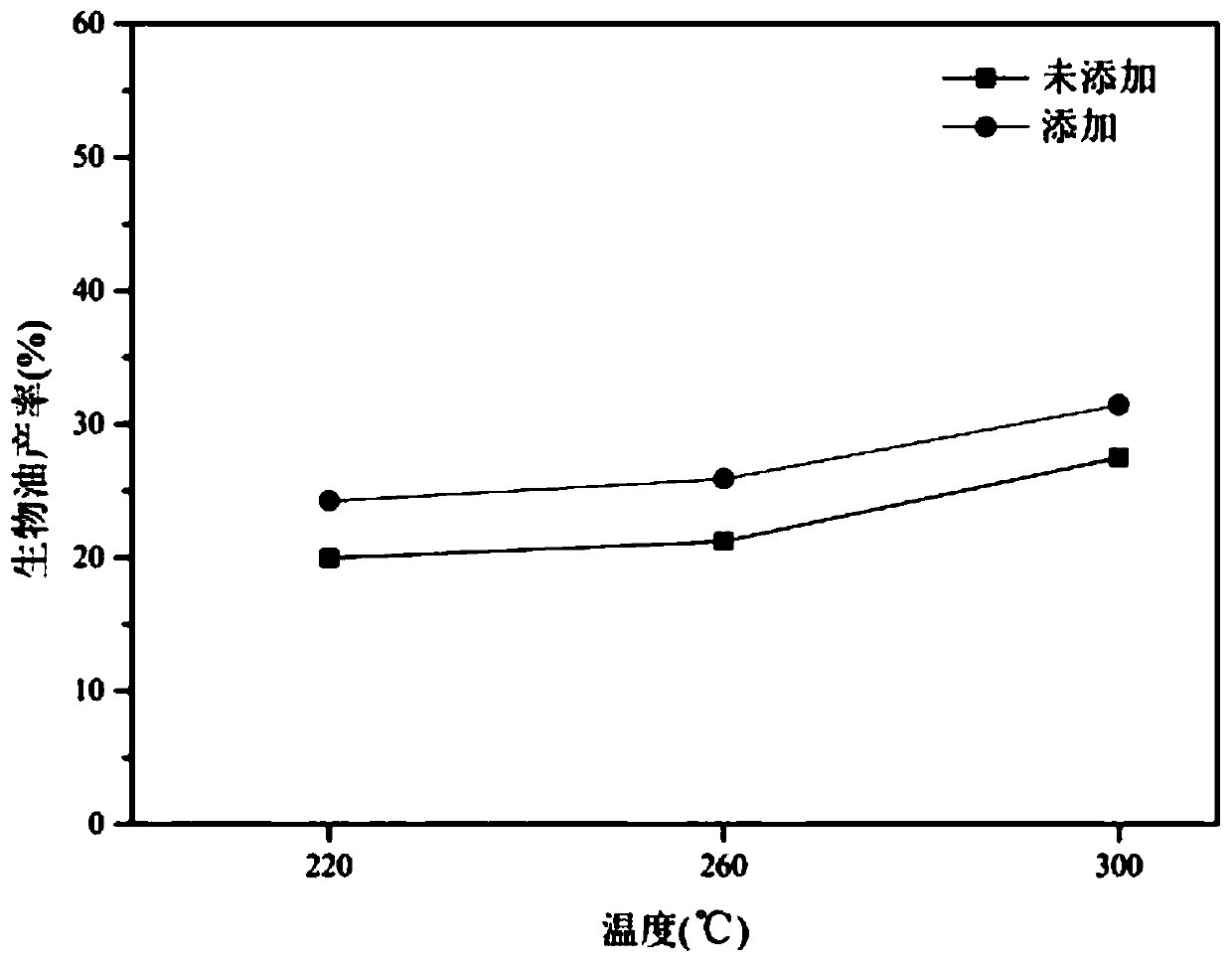
Figure 1 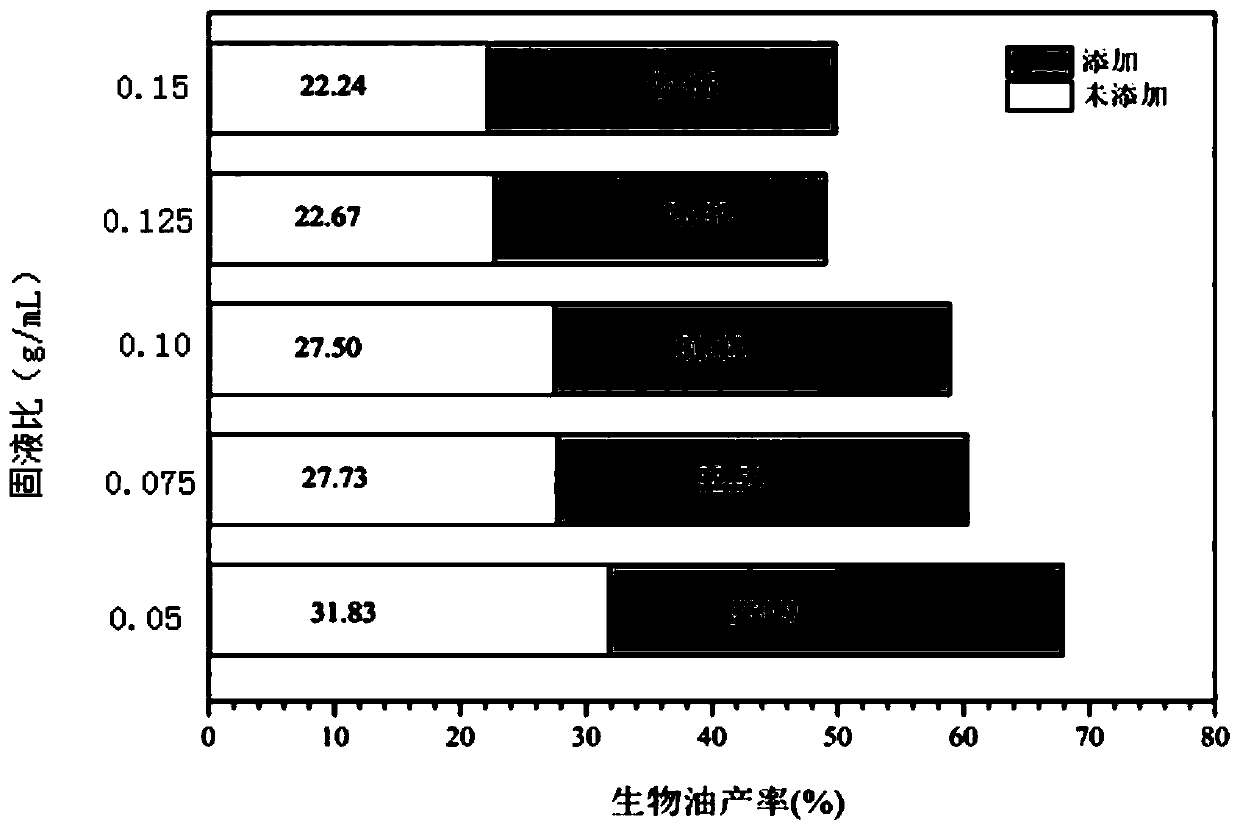
Figure 2 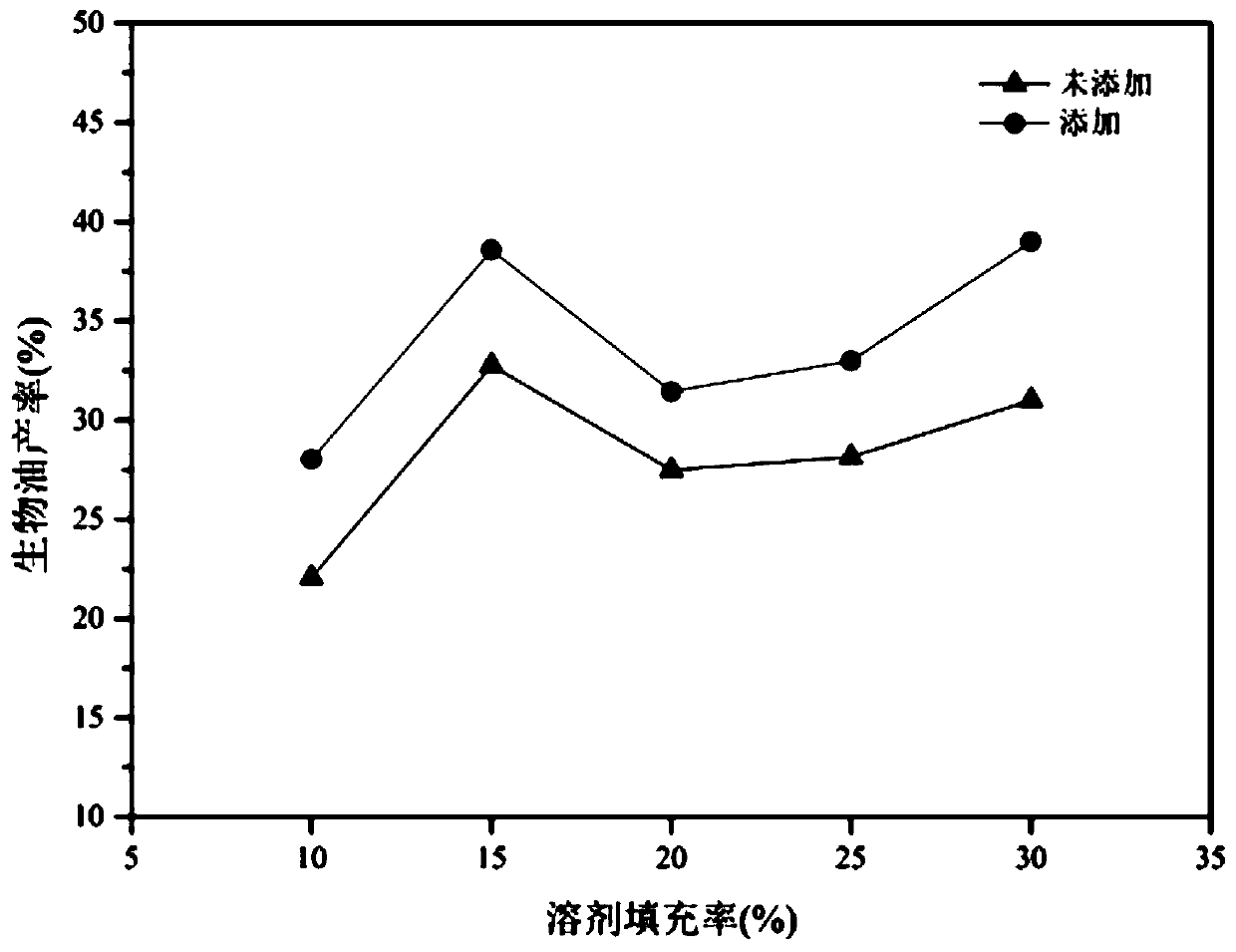
Figure 3
Abstract
Description
technical field
[0001] The present invention relates to the technical field of energy-based treatment of livestock and poultry manure, in particular to a method for preparing bio-oil with cow dung as a raw material with a high yield, and in particular to a method for preparing bio-oil by sub / supercritical liquefaction of fresh cow dung and adding Calcium oxide as a catalyst to increase its bio-oil yield. Background technique
[0002] Cattle farming has always been a very important industry in animal husbandry, and beef has always been one of the favorite meats in China. In recent years, beef production accounts for about 8.5% of the national meat production. The scale of the cattle breeding industry has also continued to increase under the increasing demand. By 2000, there were about 105 million cattle in China. At the same time, the discharge of cow dung is also increasing. According to relevant statistical estimates, the annual excrement discharge (including urine) in 201...
Examples
Embodiment 1
[0052] A method for preparing bio-oil with high yield using cow dung as raw material, specifically comprising the following steps:
[0053] a, pretreatment: dry the fresh cow dung to a moisture content of 10%, then crush the cow dung through an 80-mesh sieve;
[0054] b. Sub- / supercritical liquefaction: the treated cow dung and absolute ethanol have a solid-to-liquid ratio of 0.1g / mL, the solvent absolute ethanol has a filling rate of 20%, and calcium oxide of 7% of the total amount of cow dung raw materials Mix the fragments evenly and pour them into the reaction kettle; seal the reaction kettle, the design pressure is 12.5MPa, the heating voltage is 250V, and the set liquefaction temperature is 220°C; the reaction kettle is heated up, and the temperature reaches the set liquefaction temperature. Stop heating after the reaction is over, and cool the reactor to room temperature with condensed water when the temperature of the reactor is about 100°C;
[0055] c. Solid-liquid s...
Embodiment 2
[0058] The difference between this example and Example 1 is that the liquefaction temperature is set at 260° C., and the prepared bio-oil sample is denoted as S2.
Embodiment 3
[0060] The difference between this example and Example 1 is that the liquefaction temperature is set at 300° C., and the prepared bio-oil sample is denoted as S3.