

Back-plate composition, back plate, brake pad, and caliper device
Patent Information
- Authority / Receiving Office
- US · United States
- Current Assignee / Owner
- Publication Date
- 2015-10-01
Smart Images
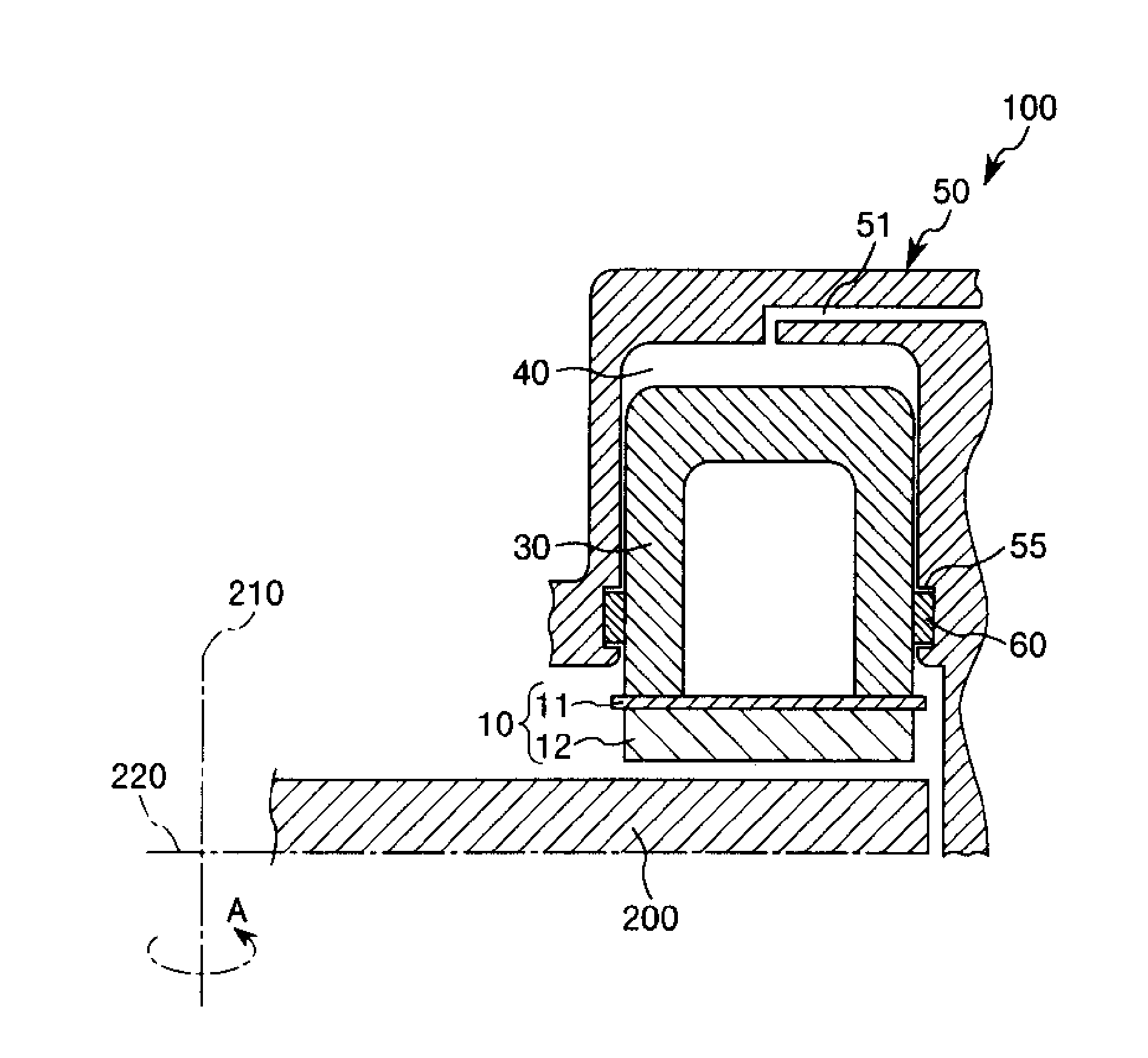
Figure 1 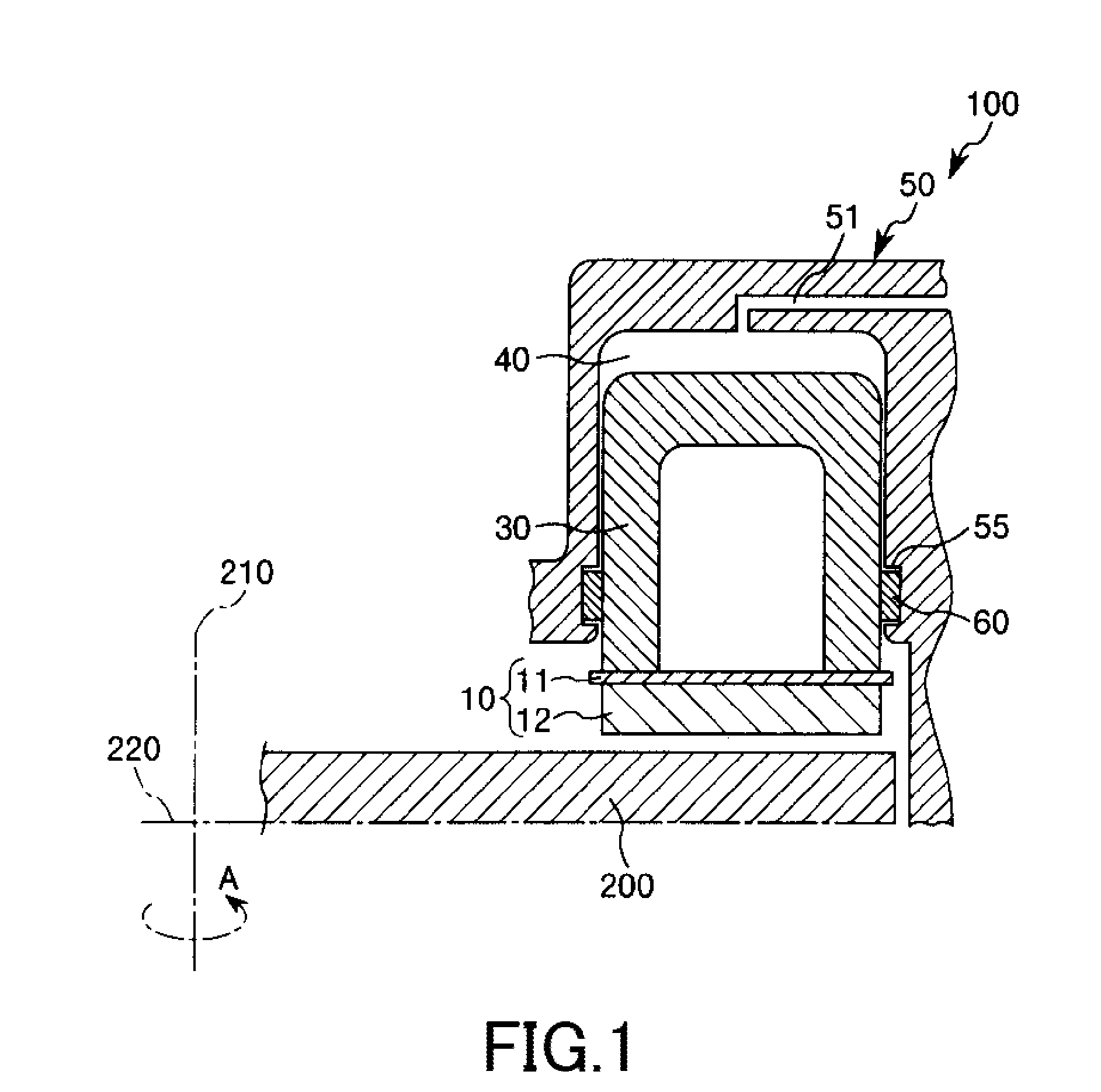
Figure 2 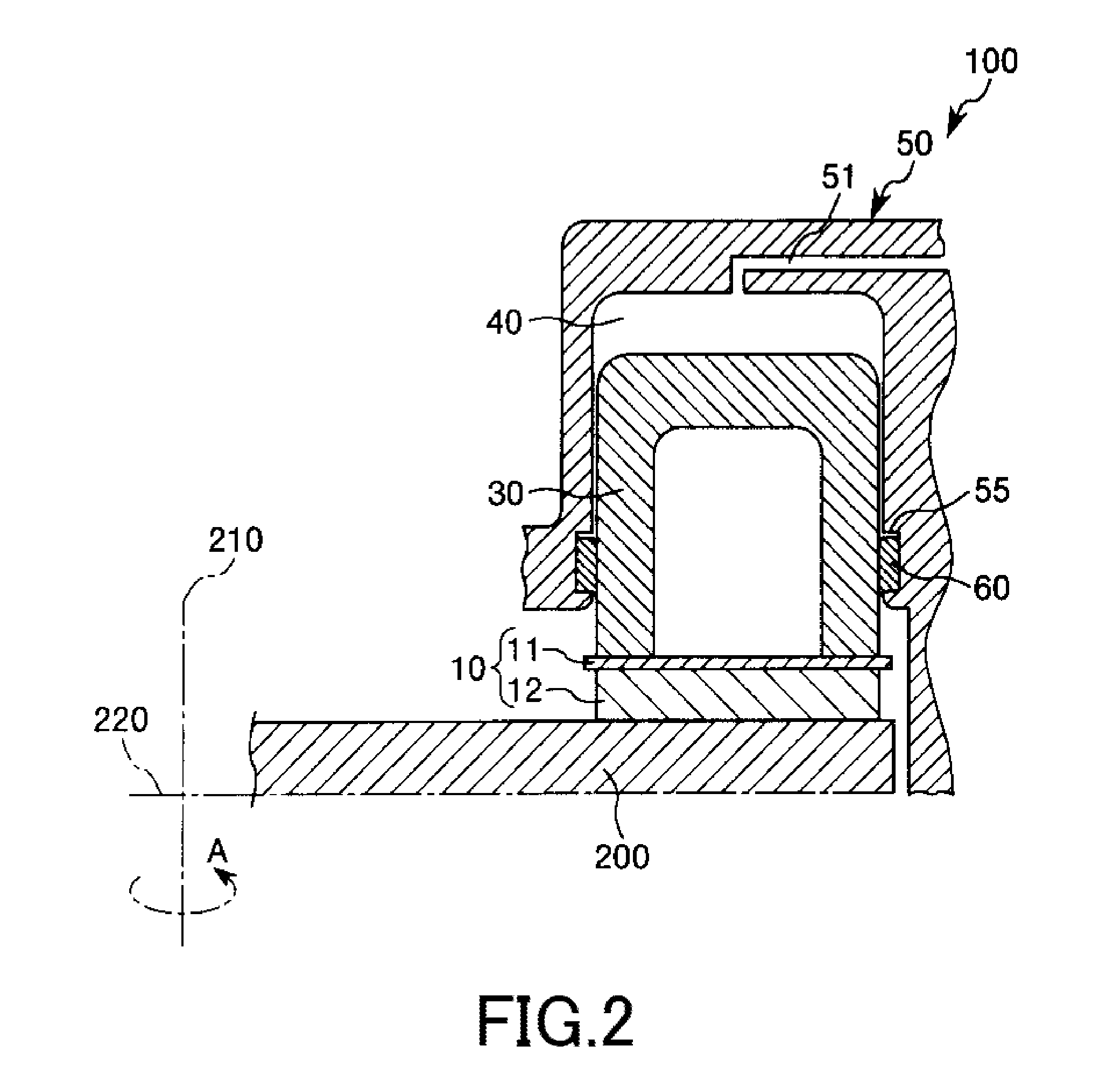
Figure 3
Abstract
Description
TECHNICAL FIELD
[0001] The present invention relates to a back-plate composition (a composition for forming a back plate of a brake pad), a back plate, a brake pad and a caliper device.BACKGROUND ART
[0002] A disc brake has a disc and brake pads, and generally each brake pad includes a lining (friction material) for braking the disc and a back plate for supporting the lining. Since this back plate supports the lining, it is required to have heat resistance, brake resistance, and high mechanical strength in a high temperature atmosphere. For this reason, conventionally, plates made of ceramic or plates made of metal have been used for the back plate. However, when the plates made of ceramic and the plates made of metal are used for the back plate, there are problems such as a heavy weight, a long time required for machining, high costs, and the like.
[0003] Therefore, recently, it is attempted to use a plate made of a synthetic resin mixed with fibers for the back plate instead of the plat...
Examples
example 1
[1] Preparation of Back-Plate Composition
[0156]A back-plate composition was prepared as follows.
[1-1] Preparation of First Fibers Coated with Resin Mixture
[0157]First, prepared was 55 mass % of a glass fiber (“Glass Fiber Roving 1084” produced by PPG Industries, Inc. and having an average diameter of 15 μm) subjected to a surface treatment with a silane coupling agent as a raw fiber (strand) for first fibers.
[0158]Next, 36.0 mass % of phenolic resin (“Sumilite Resin PR-51470” produced by Sumitomo Bakelite Co., Ltd. and having a weight average molecular weight of 2,800) as a resin, 6.0 mass % of hexamethylene tetramine as a curing agent, 1.0 mass % of magnesium oxide as a curing aid agent, 1.0 mass % of calcium stearate as a mold release agent, and 1.0 mass % of carbon black as a pigment were mixed with each other, to obtain a resin mixture.
[0159]Next, the glass fiber subjected to the surface treatment was coated with the obtained resin mixture by using fluidized-bed technology, the ...
examples 2 to 9
[0170]Back plates were manufactured in the same manner as Example 1 except that the constitution of the back-plate composition was changed as shown in Table 1, and constitutions of the first fibers and the second fibers were changed as shown in Table 2.
example 10
[0171]A back plate was manufactured in the same manner as Example 1 except that the constitution of the back-plate composition was changed as shown in Table 1, the preparation of the second fibers coated with the resin mixture was changed as follows, and the constitutions of the first fibers and the second fibers were changed as shown in Table 2.
[1-2] Preparation of Second Fibers Coated with Resin Mixture
[0172]First, prepared was 55 mass % of glass fibers (“CS-3E479S glass fibers” produced by Nitto Boseki Co., Ltd. and having an average length of 3 mm and an average diameter of 11 μm) each subjected to a surface treatment with a silane coupling agent as raw fibers (strands) for second fibers.
[0173]Next, 36.0 mass % of phenolic resin (“Sumilite Resin PR-51470” produced by Sumitomo Bakelite Co., Ltd. and having a weight average molecular weight of 2,800) as a resin, 6.0 mass % of hexamethylene tetramine as a curing agent, 1.0 mass % of magnesium oxide as a curing aid agent, 1.0 mass %...