
Ultrafiltration membrane and a preparation method thereof
Patent Information
- Authority / Receiving Office
- US · United States
- Current Assignee / Owner
- Publication Date
- 2018-03-29
- Estimated Expiration
- Not applicable · inactive patent
Smart Images
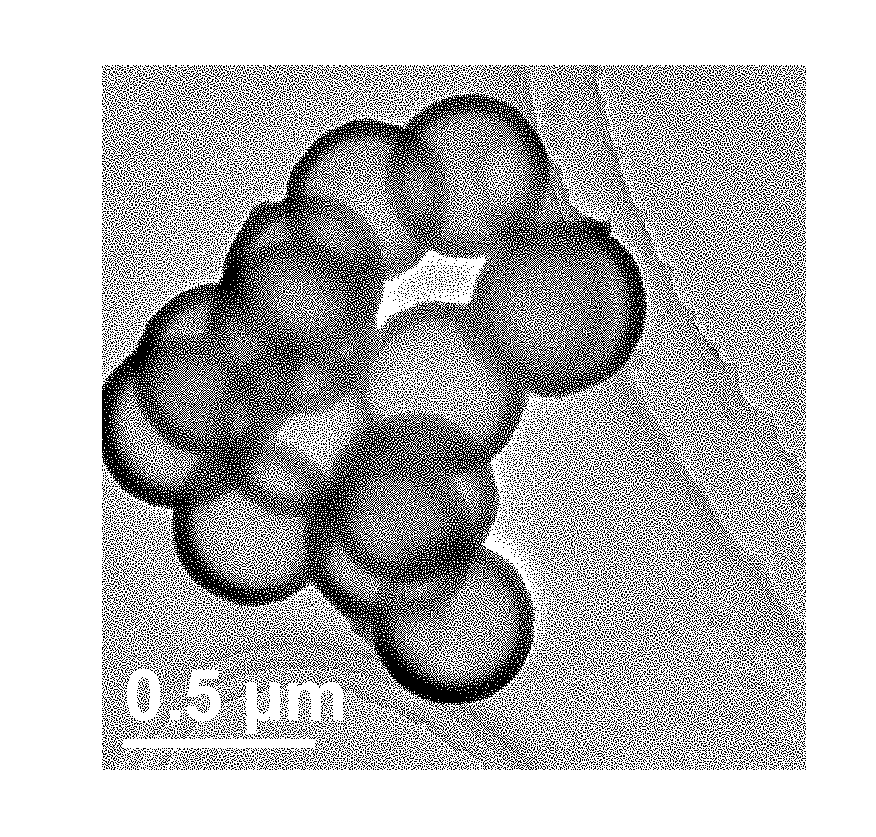
Figure 1 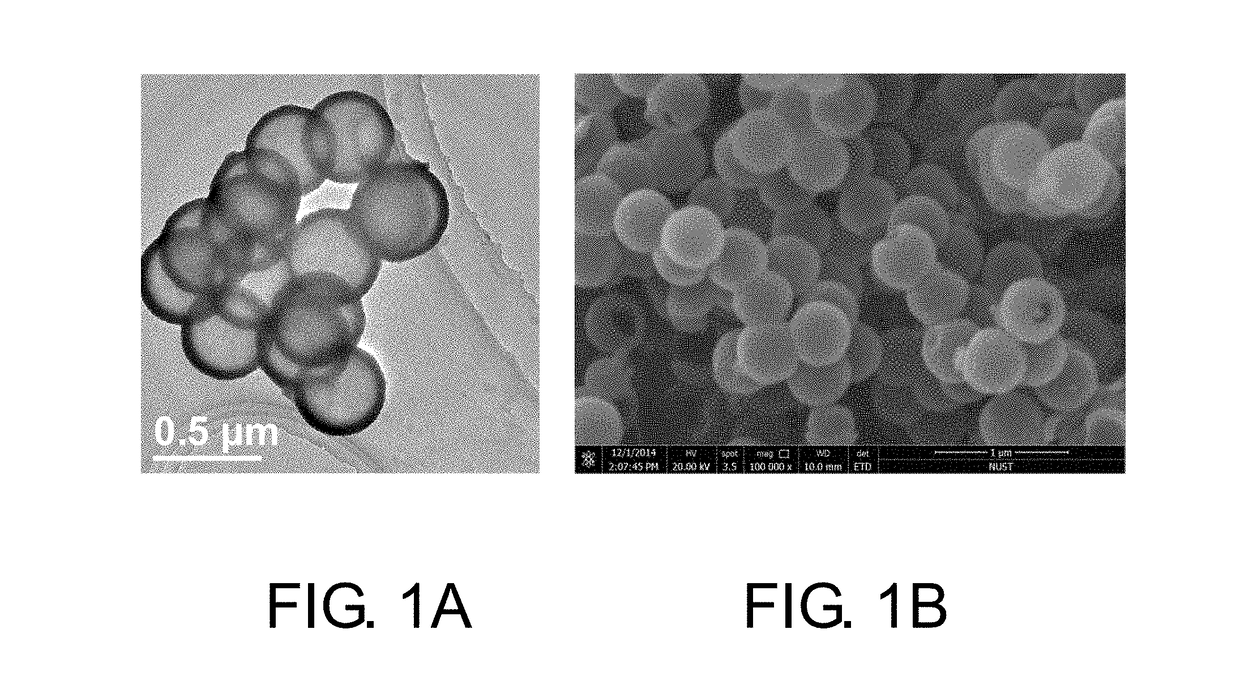
Figure 2 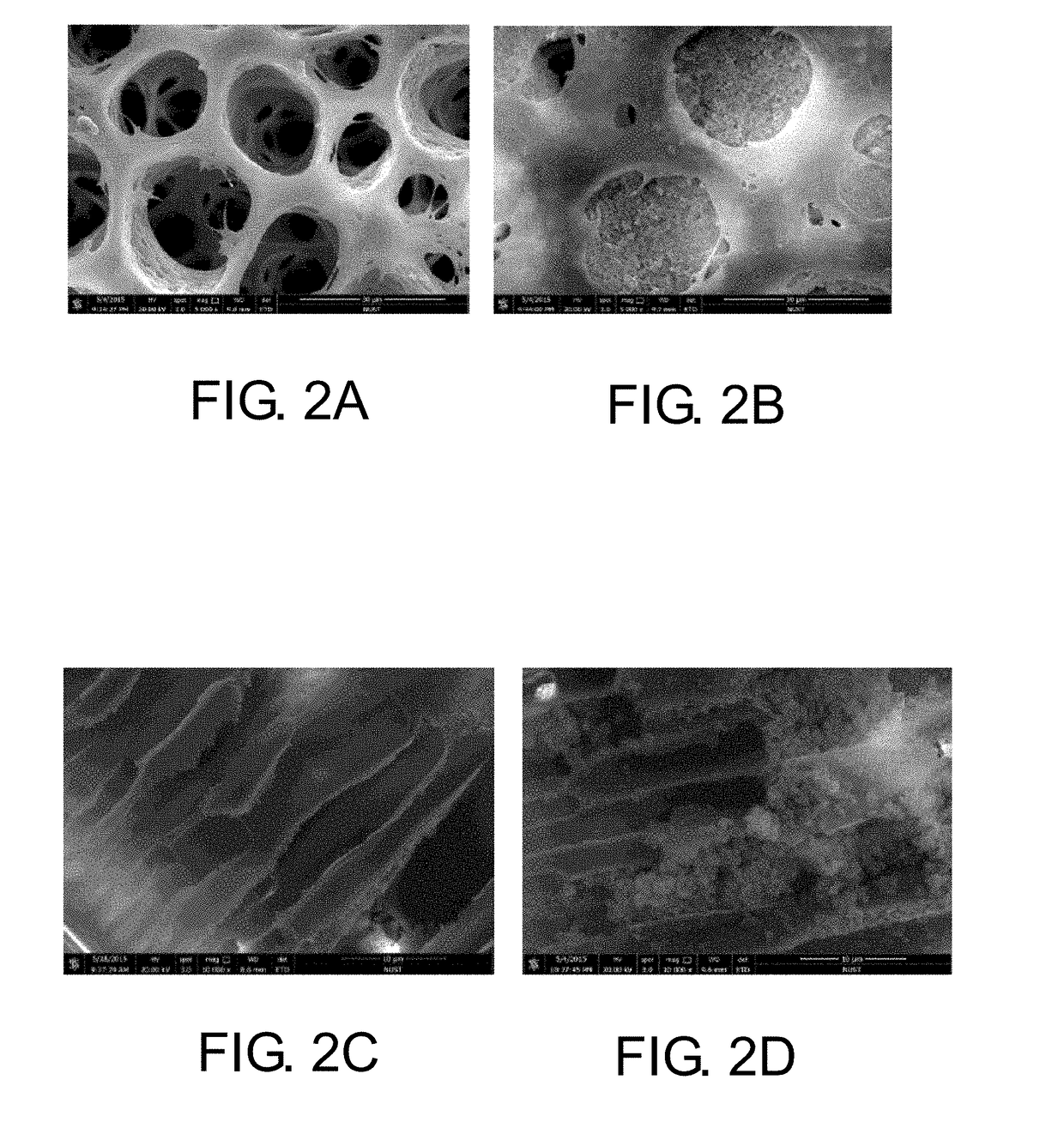
Figure 3
Abstract
Description
TECHNICAL FIELD
[0001] The present invention falls into the field of water treatment, and particularly falls into the field of membrane separation. It relates to an ultrafiltration membrane and a preparation method thereof.BACKGROUND TECHNOLOGY
[0002] Water is an essential substance for all beings on earth to survive. However, wherever it is in the developed countries or in the developing countries, large quantities of pollutants have been discharged into water environment due to human activities and industrial production, causing a shortage of non-polluted water and thereby being a great challenge to public health and safety. Nowadays, each year in the world, there are 884 million people lacking safe drinking water and 1.8 million children died of water pollution related diseases. One of the essential problems to be solved for human development in the future decades is how to obtain safe drinking water. In addition, due to the increasing shortage of resources, another important theme f...
Examples
embodiment 1
[0055]Step 1. Synthesis of Porous Hollow Nanoparticles
[0056]Porous hollow HZO particles were voted as the porous hollow nanoparticles model in the present embodiment.
[0057]The preparation of porous hollow HZO particles comprised four steps. (1) to prepare SiO2 particles, 18 mL concentrated ammonia and 49.5 mL water were added to 32.5 mL ethanol. After stirring for 30 min, a mixture of 9 mL tetraethoxysilane and 91 mL absolute alcohol was added. The reaction mixture was further stirred for 8 h. The resultant colloids were centrifuged, fully washed with distilled water and alcohol for three times, and then redispersed in 320 mL absolute ethanol; (2) 1.0 mL distilled water and 0.75 g Brij-35 were added into the above obtained solution and stirred for 2 h before a mixture of 4.5 mL Zirconium n-butoxide and 45.5 mL absolute alcohol were added. The reaction mixture was stirred for another 8 h before the products were collected through centrifugation and redispersed in water (50 mL). After...
embodiment 2
[0071]Step 1. Synthesis of Porous Hollow Nanoparticles
[0072]Porous hollow carbon particles were voted as the porous hollow nanoparticles model in the present embodiment.
[0073]1.04 g CTAC (25 wt %) was added to a mixed solution of 19 mL distilled water, 0.1 mL aqueous ammonia and 5 mL anhydrate alcohol, and the mixture was stirred for 30 min. Then, 0.2 g m-dihydroxybenzene was added and stirred for 30 min. After that, 0.72 mL tetraethoxysilane and 0.28 mL formaldehyde were added and stirred for 24 h at 30° C. After the reaction was completed, solids were recovered by centrifugation and air-dried at 80° C. for 12 hours. The dried solid was calcined in nitrogen, at 200° C., 350° C., 500° C. and 600° C. for 2 hours, respectively, and then continued to be calcined at 800° C. for 5 hours. Finally, porous hollow carbon particles were obtained. In the present embodiment, a large number of hollow-structured spherical particles with the sizes of 200˜300 nm were produced.
[0074]Step 2. Preparat...
embodiment 3
[0083]Step 1. Synthesis of Porous Hollow Nanoparticles
[0084]Porous hollow ferroferric oxide particles are voted as the porous hollow nanoparticles model in the present embodiment.
[0085]The porous hollow ferroferric oxide particles were synthesized by a one-step hydrothermal method. 2 nunol ferric chloride, 4 mmol sodium citrate and 6 mmol urea were dissolved in 40 mL, and then 0.3 g of polyacrylamide was added into the above mixture. The mixture solution was stirred until the PAM was completely dissolved. The solution was then sealed in Tefionlined stainless-steel autoclave and reacted at 200° C. for 12 h. Afterwards, the resulting solution was cooled to room temperature. Black solids were collected and washed with water and absolute ethanol in turns. The porous hollow ferroferric oxide particles were obtained after vacuum drying. In the present embodiment, a large number of porous hollow ferroferric oxide particles with the sizes of 200˜300 nm were produced.
[0086]Step 2. Preparatio...