
Electrowetting drive waveform generation method and system based on equipower
A driving waveform and electrowetting technology, which is applied in the field of electrowetting, can solve the problems of affecting the service life of electrowetting devices, damage, high driving power, etc., and achieve the effect of avoiding the reduction of display brightness, preventing splitting and prolonging the service life
- Summary
- Abstract
- Description
- Claims
- Application Information
AI Technical Summary
Problems solved by technology
Method used
Image


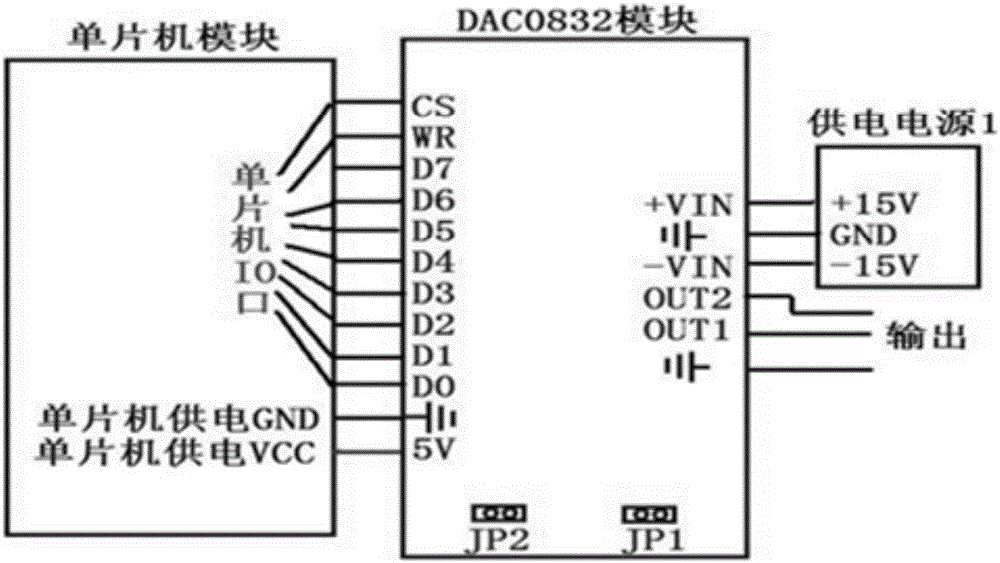
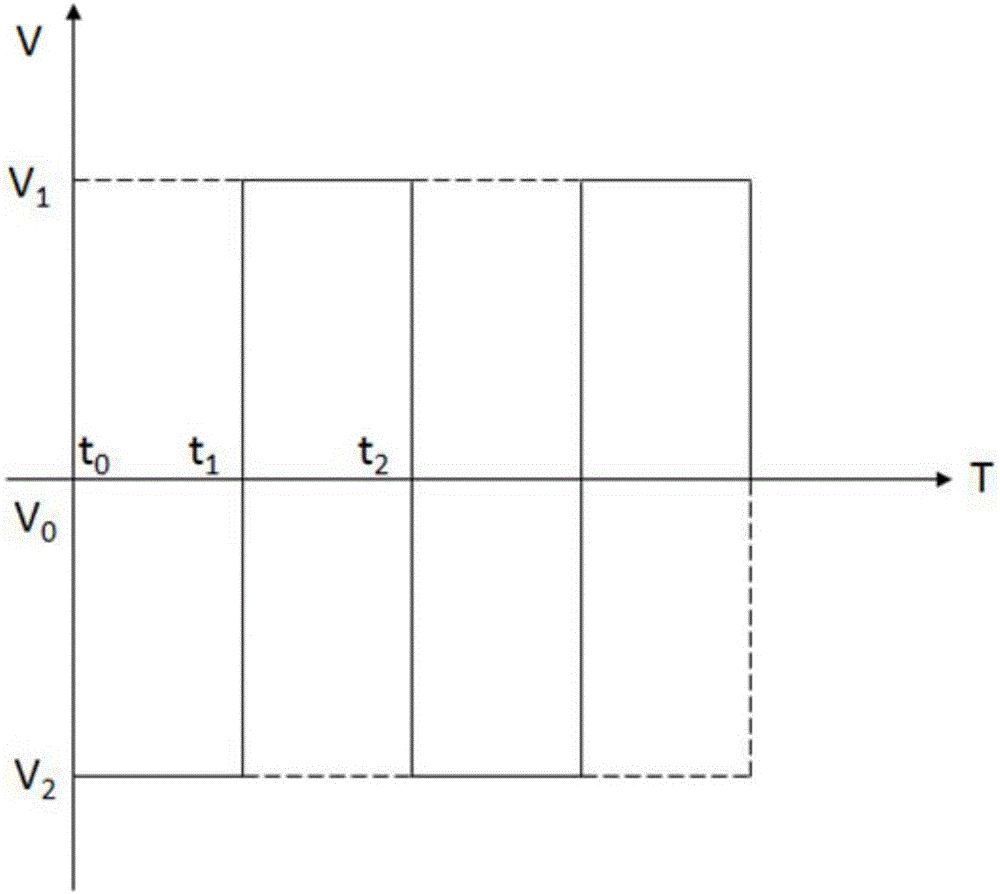
Examples
Embodiment Construction
[0030] It should be noted that, in the case of no conflict, the embodiments in the present application and the features in the embodiments can be combined with each other.
[0031] A method for generating electrowetting driving waveforms based on equal power, the power is expressed as:
[0032] P = ∫ t 0 t 1 [ v 1 - g 1 ( t ) ] d t + ∫ t 1 t 2 [ v 1 - g 2 ( t ) ] d t
[0033] where g 1 (t) for t 0 to t ...
PUM
 Login to View More
 Abstract
Description
Claims
Application Information
 Login to View More