Method of inducing and differentiating human umbilical cord derived mesenchymal stem cells into cartilage cells

A technology of mesenchymal stem cells and induced differentiation, applied in the field of induced differentiation of stem cells, can solve the problems of latent virus and pathogenic microorganism infection and low probability of transmission

CN106635968AInactive Publication Date: 2017-05-10中卫华医(北京)生物科技有限公司 +1
4 Cites 14 Cited by

Patent Information

Authority / Receiving Office
CN · China
Patent Type
Applications(China)
Current Assignee / Owner
Publication Date
2017-05-10
Estimated Expiration
Not applicable · inactive patent

Smart Images

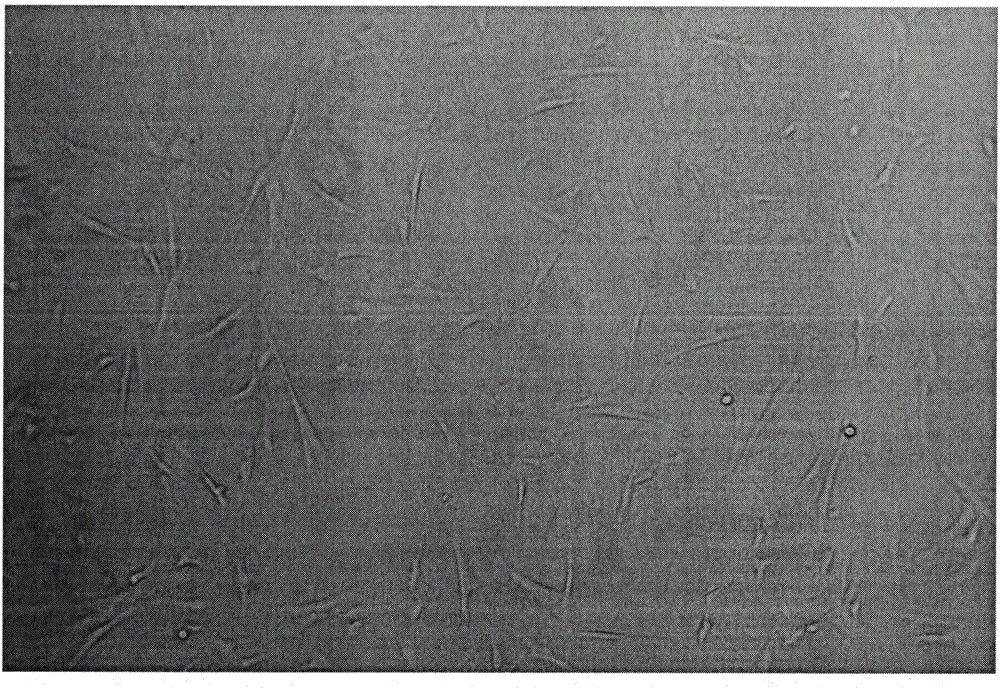
  • Figure 1
    Figure 1
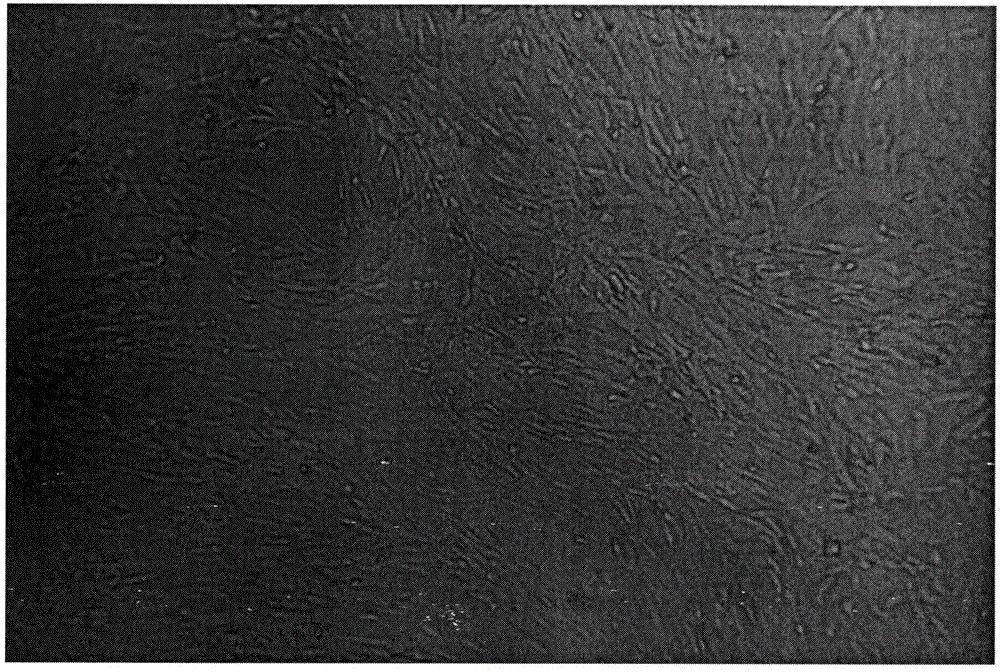
  • Figure 2
    Figure 2
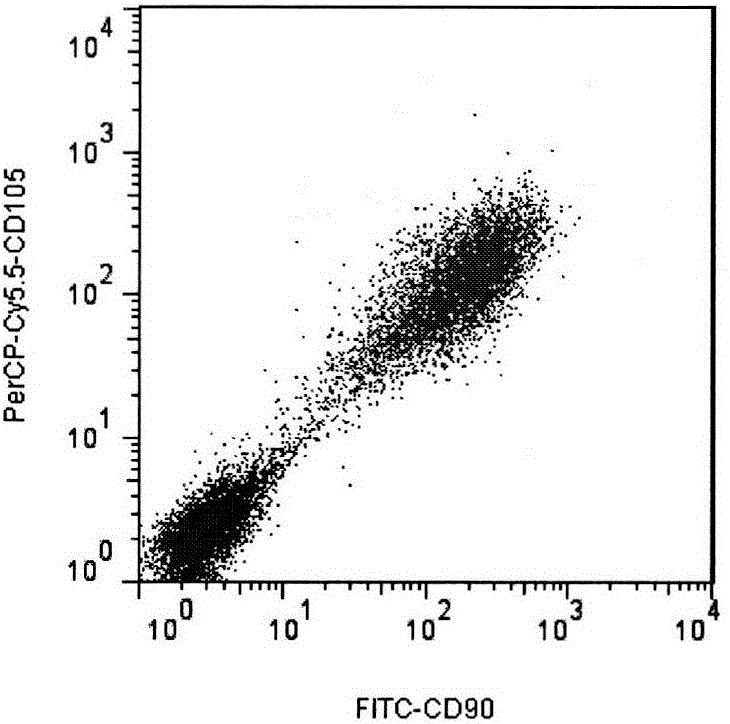
  • Figure 3
    Figure 3
Patent Text Reader

Abstract

The invention relates to a method of inducing and differentiating human umbilical cord derived mesenchymal stem cells into cartilage cells. The method includes: in order to solve the problem that the prior art is low in differentiation efficiency, cleaning umbilical cord tissue to remove blood stain, cutting the same into small sections, dissecting the small sections to remove vascular tissue, cutting the small sections into pieces, and digesting to obtain a single mesenchymal stem cell; culturing the obtained mesenchymal stem cell in an amplification manner to the seventh generation to obtain a unicellular suspension, inoculating the unicellular suspension into a serum-free culture medium containing a cartilage differentiation inducer to continue culturing, replacing a fresh culture medium every other 3.5 days, and inducing for 14 days to obtain the cartilage cells. The method can efficiently differentiate the umbilical cord mesenchymal stem cells into the cartilage cells and is of important significance in the aspects of restoring cartilage tissue in human bodies and treating bone injury.
Need to check novelty before this filing date? Find Prior Art

Description

technical field

[0001] The invention relates to a method for inducing differentiation of stem cells, in particular to a method for inducing the differentiation of human umbilical cord-derived mesenchymal stem cells into chondrocytes. Background technique

[0002] Knee cartilage injury is one of the main research fields of sports medicine clinical work, and it is a hot spot and focus of sports science research. In the early stage of articular cartilage damage, it can cause pain and limitation of joint function of the injured joint. In the late stage, the joint may have degeneration and non-inflammatory osteoarthritis, which will seriously reduce the quality of life of the patient. After articular cartilage is damaged, chondrocytes mainly rely on synovial fluid and the matrix around the cells to provide nutrition, and supply energy through anaerobic glycolysis. Their own repair ability is very limited, and they cannot even be repaired by themselves.

[0003] The emergence of ...

Examples

Embodiment Construction

[0030] The method of the present invention for inducing differentiation of human umbilical cord-derived mesenchymal stem cells into chondrocytes is to clean the umbilical cord tissue to remove blood stains and cut it into small sections, cut open the small section of umbilical cord to remove vascular tissue, cut up the small section of umbilical cord and digest it to obtain a single mesenchymal stem cell, The obtained mesenchymal stem cells were amplified and cultured to the seventh passage to obtain a single cell suspension, inoculated in serum-free medium containing chondrogenic differentiation inducer to continue culturing, half of the fresh medium was replaced every 3 days, and after 14 days of induction , to obtain chondrocytes.

[0031] Specifically, the preparation of the single-cell suspension is carried out first (1) pretreatment of the umbilical cord tissue, followed by (2) enzyme digestion method to obtain primary MSCs cells from the umbilical cord, and then (3) umbi...