Sealing device capable of being destroyed once RFID radio frequency chip is opened

A radio frequency chip and sealing device technology, which is applied to record carriers, instruments, computer parts, etc. used in machines, can solve the problems of disrupting market order, RFID tags that cannot be read and written, recycled and reused, and economic losses to consumers and businesses. , to achieve the effect of eliminating recycling and reuse and protecting market order.

CN110222810APending Publication Date: 2019-09-10SHANGHAI TECHSUN ANTI COUNTERFEITING TECH HLDG +1
3 Cites 2 Cited by

Patent Information

Authority / Receiving Office
CN · China
Patent Type
Applications(China)
Current Assignee / Owner
Publication Date
2019-09-10

Smart Images

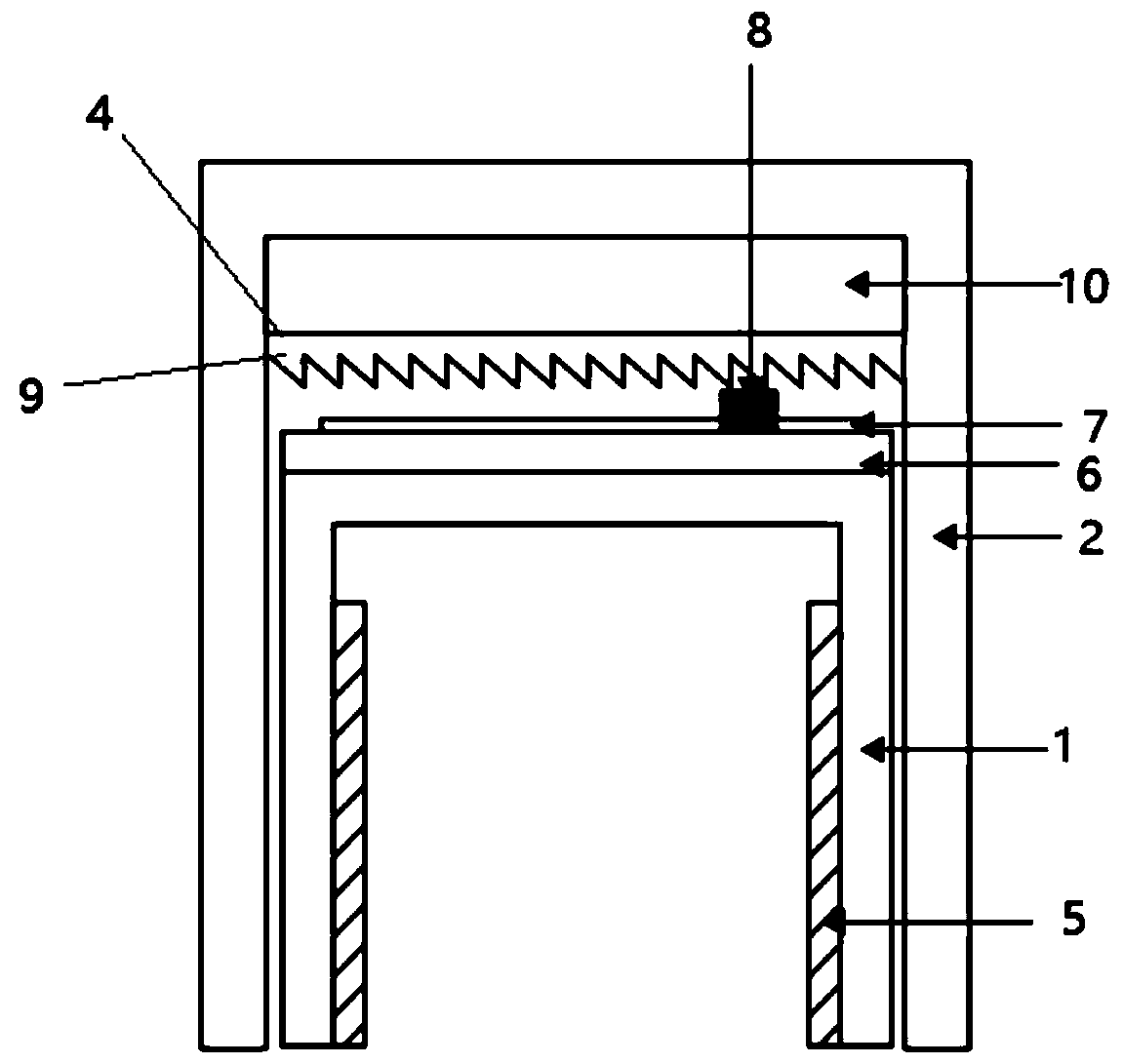
  • Figure 1
    Figure 1
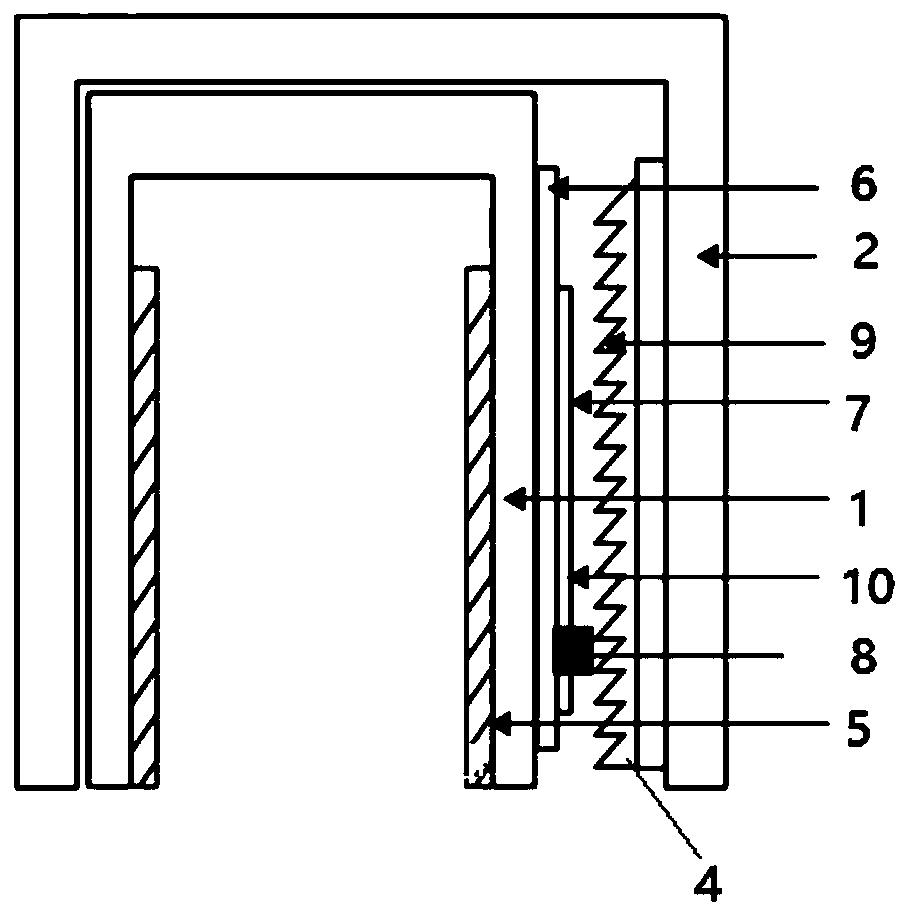
  • Figure 2
    Figure 2
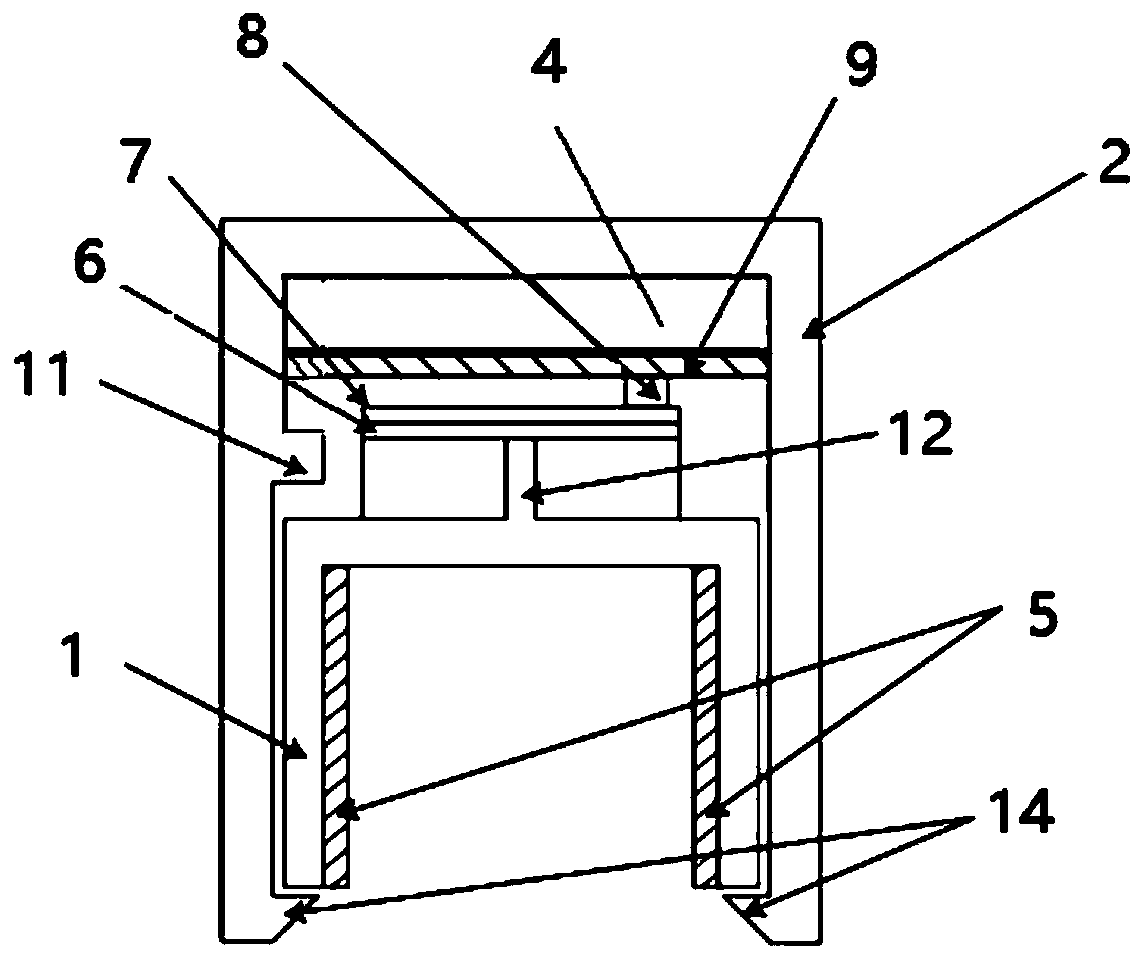
  • Figure 3
    Figure 3
Patent Text Reader

Abstract

The invention discloses a sealing device capable of being destroyed once RFID radio frequency chip is opened. The sealing device comprises an inner cover, an outer cover and an RFID radio frequency electronic tag. and a destroying device; the outer cover is sleeved outside the inner cover; one surface of the destroying device faces one surface of the RFID radio frequency electronic tag; the destroying device and the RFID radio frequency electronic tag are arranged between the inner cover and the outer cover; and the other surface of the destroying device is fixed on the inner side surface of the outer cover or the outer surface of the inner cover, or the destroying device is a part of the outer cover or the inner cover, and the other surface of the RFID radio frequency electronic tag is fixed on the outer surface of the inner cover or the inner side surface of the outer cover. The sealing device has an RFID function, when the sealing device tag is used and started, the RFID chip is destroyed and cannot be reused, the problem that the RFID chip is recycled can be effectively solved, and the market order and the legitimate rights and interests of consumers can be protected.
Need to check novelty before this filing date? Find Prior Art

Description

technical field

[0001] The invention relates to a sealing device with a radio frequency chip opening and destroying function. Background technique

[0002] Radio frequency identification (RFID for short) technology automatically identifies target objects and obtains relevant data through radio frequency signals. The identification work does not require manual interference and can work in various environments. It can identify multiple tags at the same time, and the operation is fast and convenient. After 2004, RFID technology has developed vigorously, and has wide application potential in the fields of warehousing and logistics, product anti-counterfeiting, product circulation, and product maintenance and tracking. In the application of product anti-counterfeiting, RFID is called a new generation of "electronic patron saint" because of its safety, efficiency, speed, large storage capacity, and free change of stored information.

[0003] At the same time, due to the unique UI...

Examples

Embodiment Construction

[0020] see figure 1 and figure 2 , the RFID radio frequency chip is opened and destroyed sealing device, including inner cover 1, outer cover 2, RFID radio frequency electronic tag and destroying device 4;

[0021] The outer cover 2 is set outside the inner cover 1;

[0022] One face of the described destroying device 4 faces one face of the described RFID radio frequency electronic tag 3, and the described destroying device 4 and the described RFID radio frequency electronic tag 3 are arranged on the inner cover 1 and the outer cover 1. Between cover 2;

[0023] The other side of the destroying device is fixed on the inner surface of the outer cover or the outer surface of the inner cover, and the destroying device 4 can be connected to the inner surface of the outer cover or the outer surface of the inner cover by means of adhesive, film injection molding, welding, coating, etc. The inner side of the outer cover 2 or the outer surface of the inner cover 1 is fixed, or it...