
Regulation of navigation speed among displayed items and tilt angle thereof responsive to user applied pressure
- Summary
- Abstract
- Description
- Claims
- Application Information
AI Technical Summary
Benefits of technology
Problems solved by technology
Method used
Image

Examples
Embodiment Construction
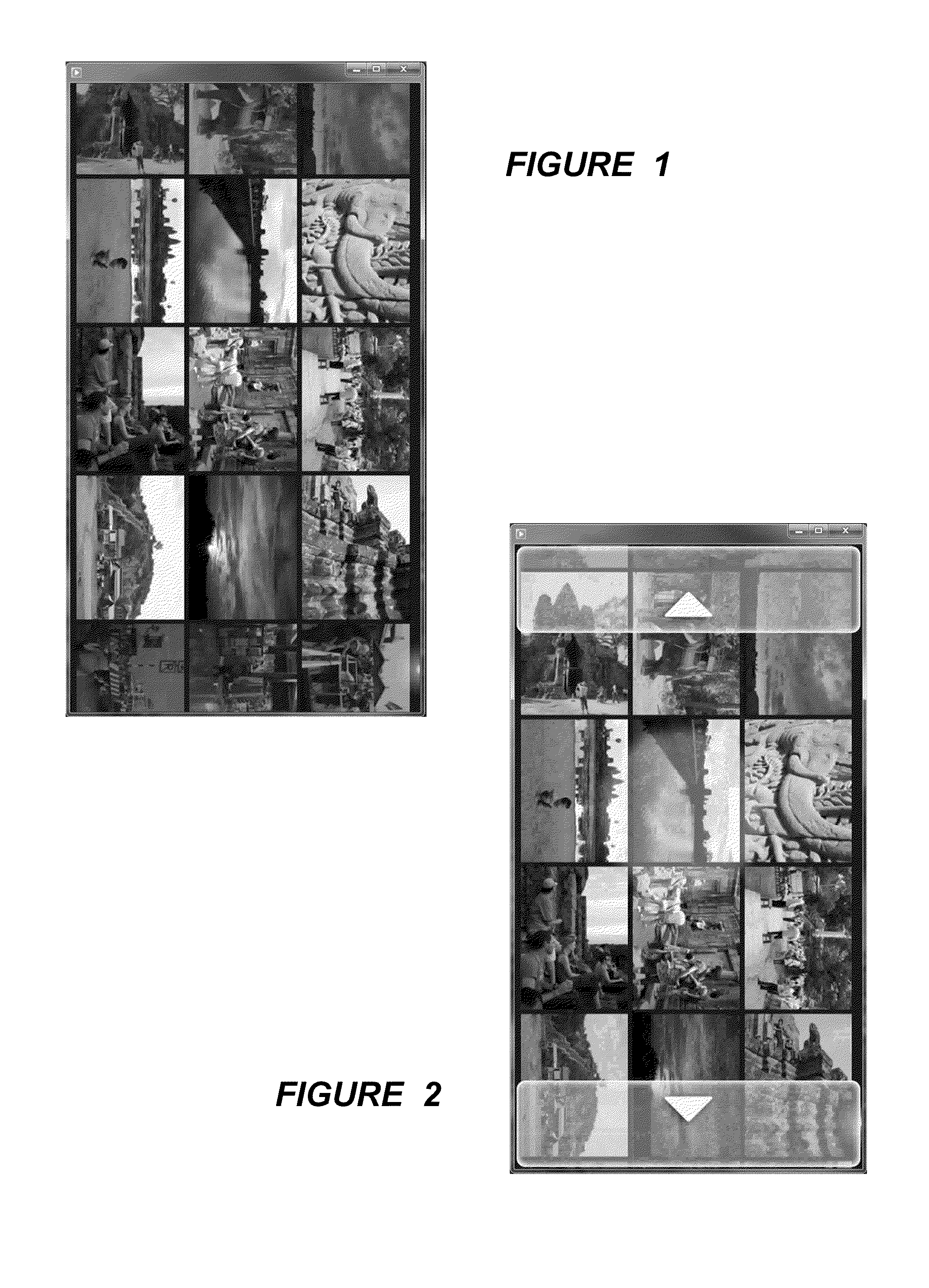
In some embodiments of the present invention, an electronic device includes a display screen, a force sensor, and a controller circuit. The force sensor generates a force signal that indicates an amount of force being exerted thereon by a user. The controller circuit controls a speed at which information items are scrolled on the display screen responsive to the force signal.
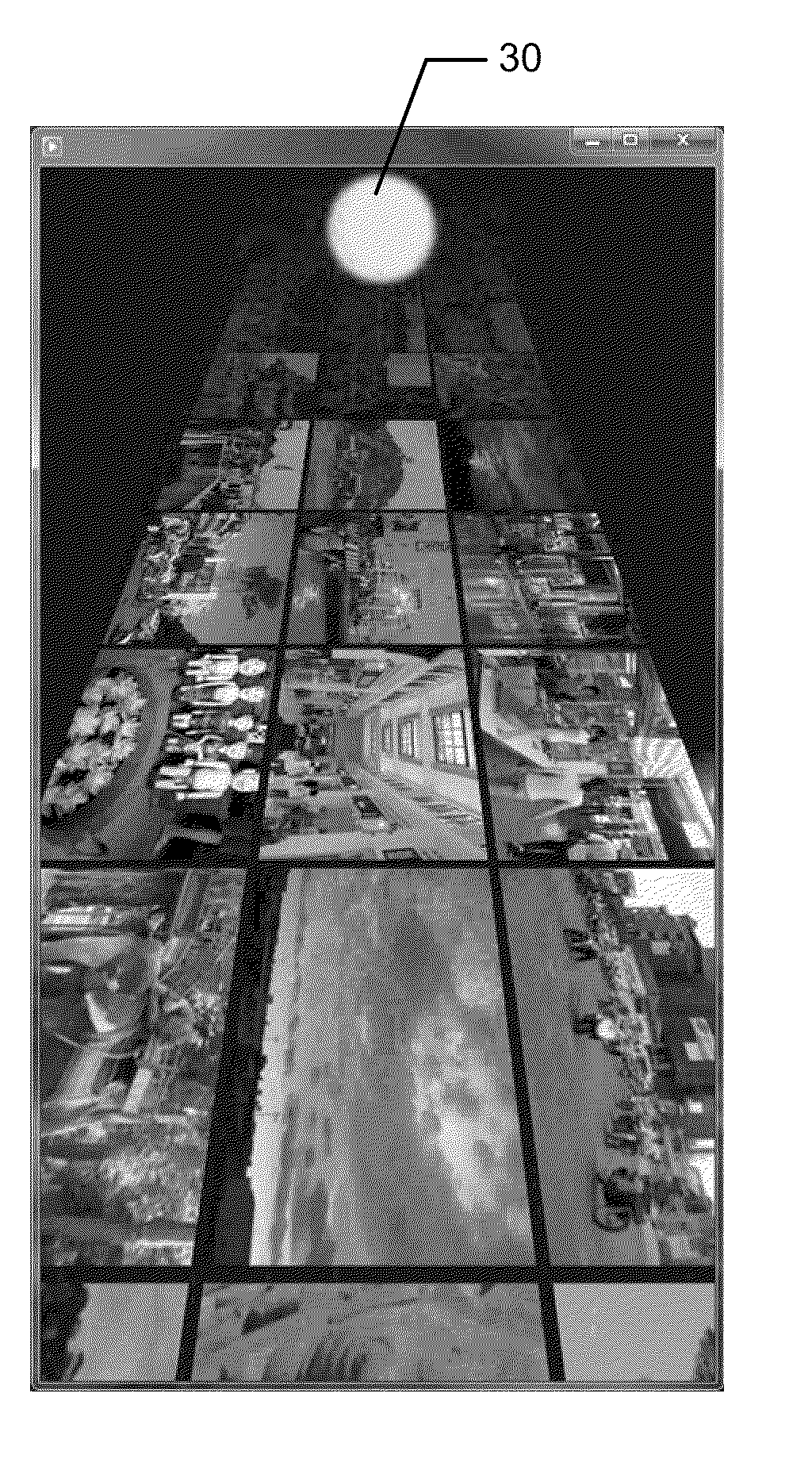
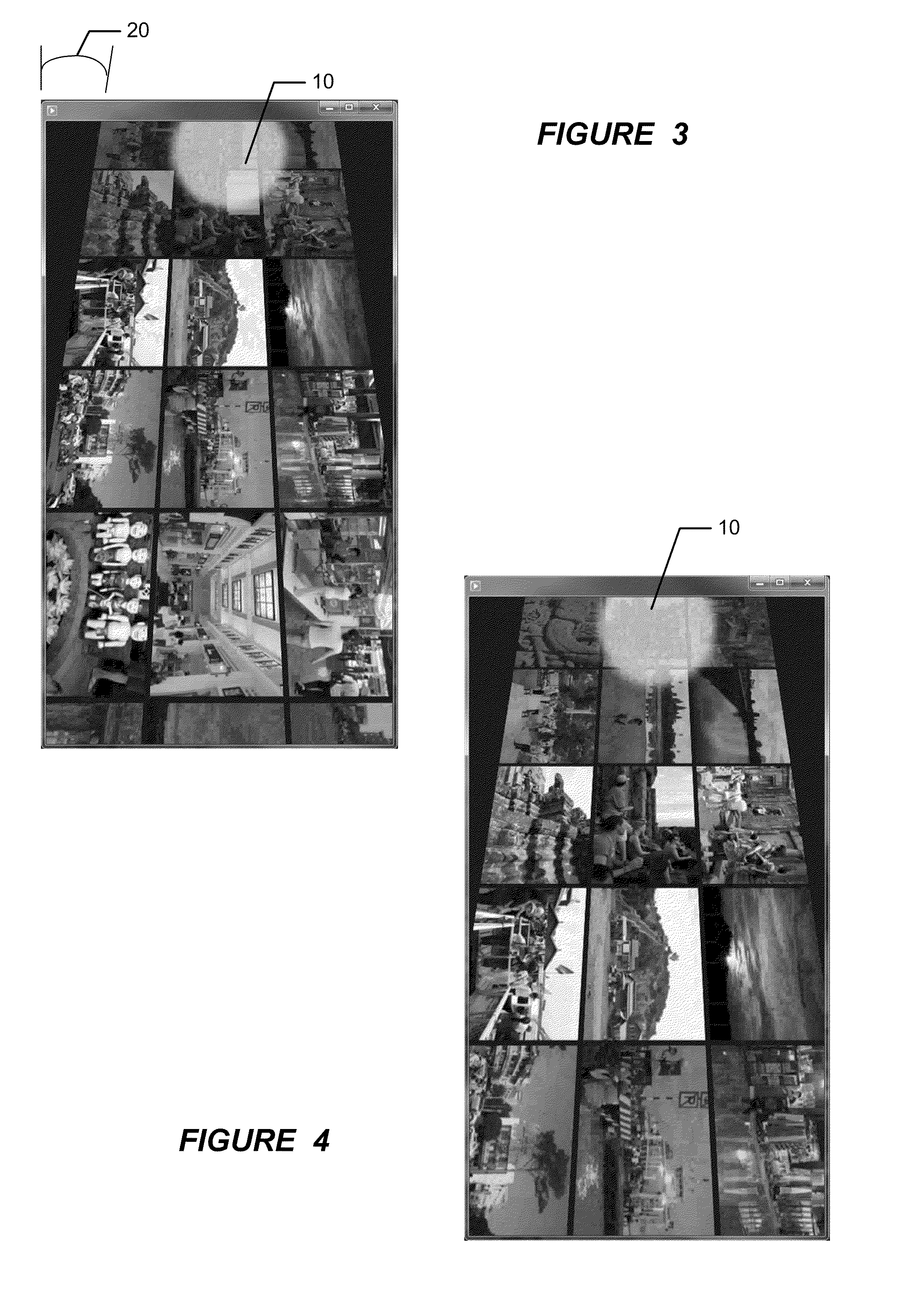
In some further embodiments, the controller circuit controls a speed at which information items are scrolled across the display screen and controls a tilt angle of the displayed information items responsive to the force signal. The controller circuit may be configured to display the information items with no tilt angle when the force signal indicates that no force from the user is sensed by the force sensor.
The controller circuit may be further configured to graphically render the tilt angle of the displayed information items including by tapering width of the displayed information items in a defined direction a...
PUM
 Login to View More
 Abstract
Description
Claims
Application Information
 Login to View More