Friction reducing devices

a friction reduction and device technology, applied in the field of friction reduction, can solve the problems of blisters and pressure ulcers, edema (red spots), and devices disclosed by scheinberg, but are not particularly well adapted for mass production, and achieve the effect of protecting friction reduction

US20070027423A1Inactive Publication Date: 2007-02-01ADVANCED WOUND SYST
29 Cites 39 Cited by

Patent Information

Authority / Receiving Office
US · United States
Patent Type
Applications(United States)
Current Assignee / Owner
Publication Date
2007-02-01
Estimated Expiration
Not applicable · inactive patent

Smart Images

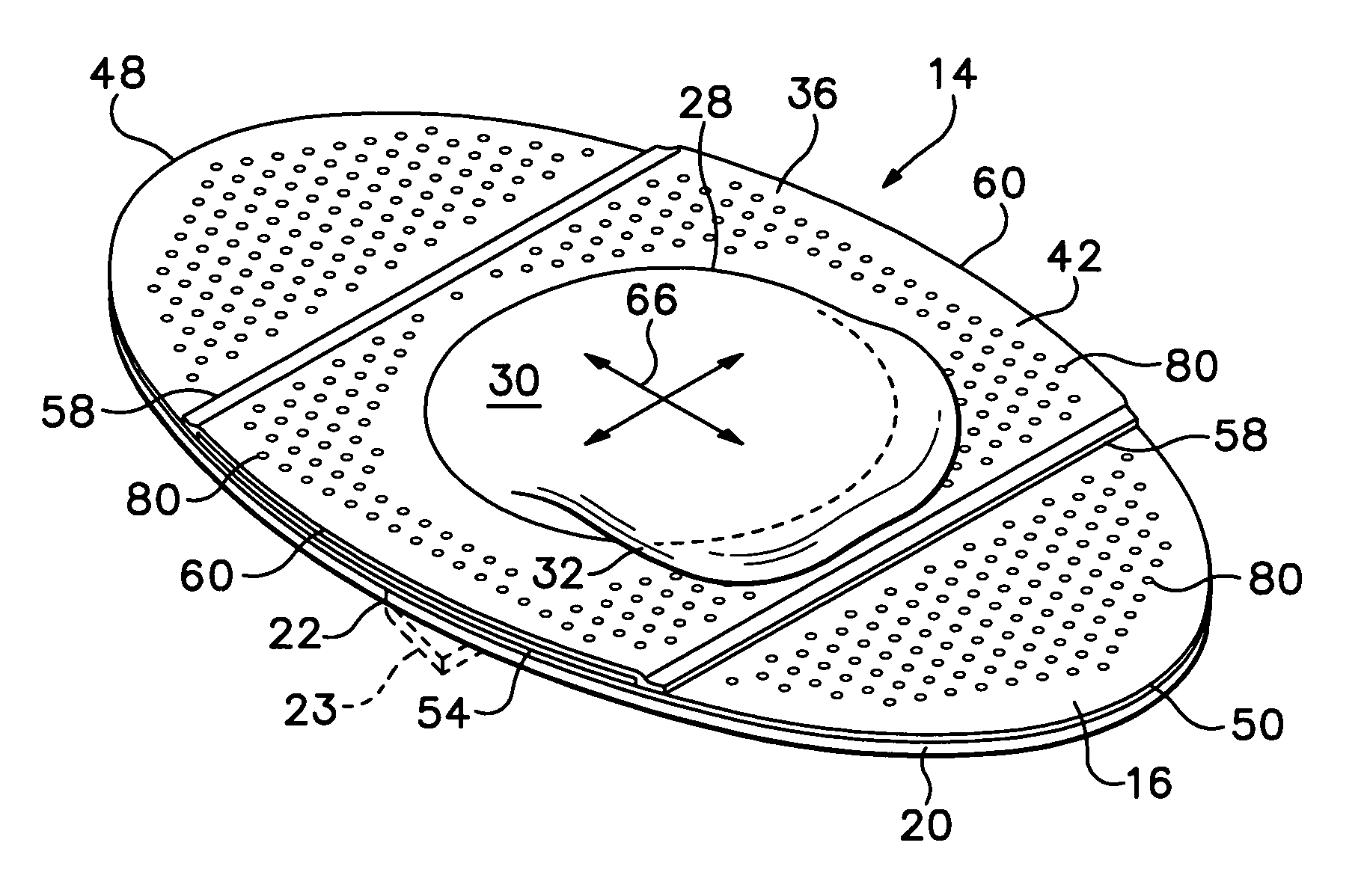
  • Figure 1
    Figure 1
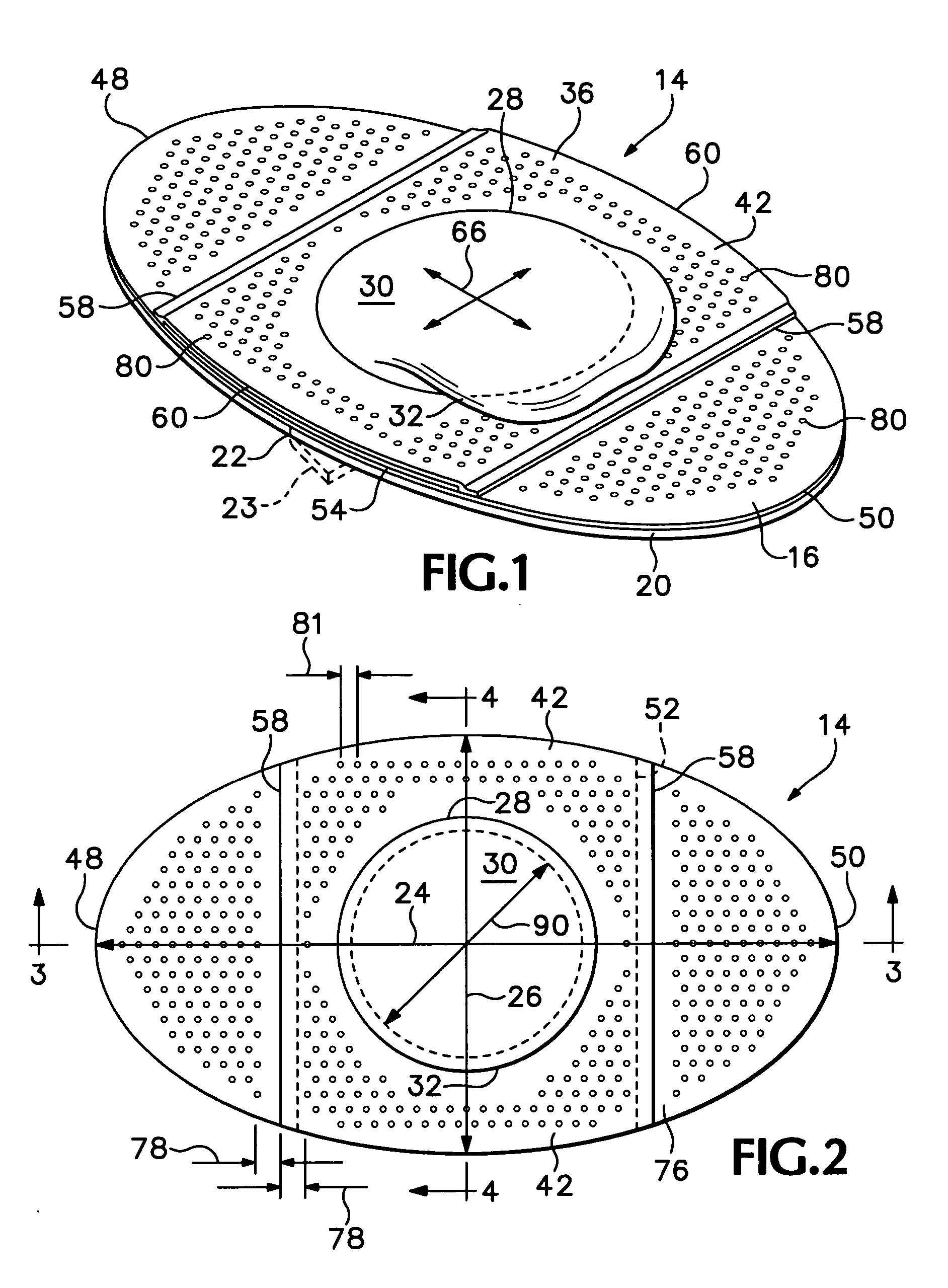
  • Figure 2
    Figure 2
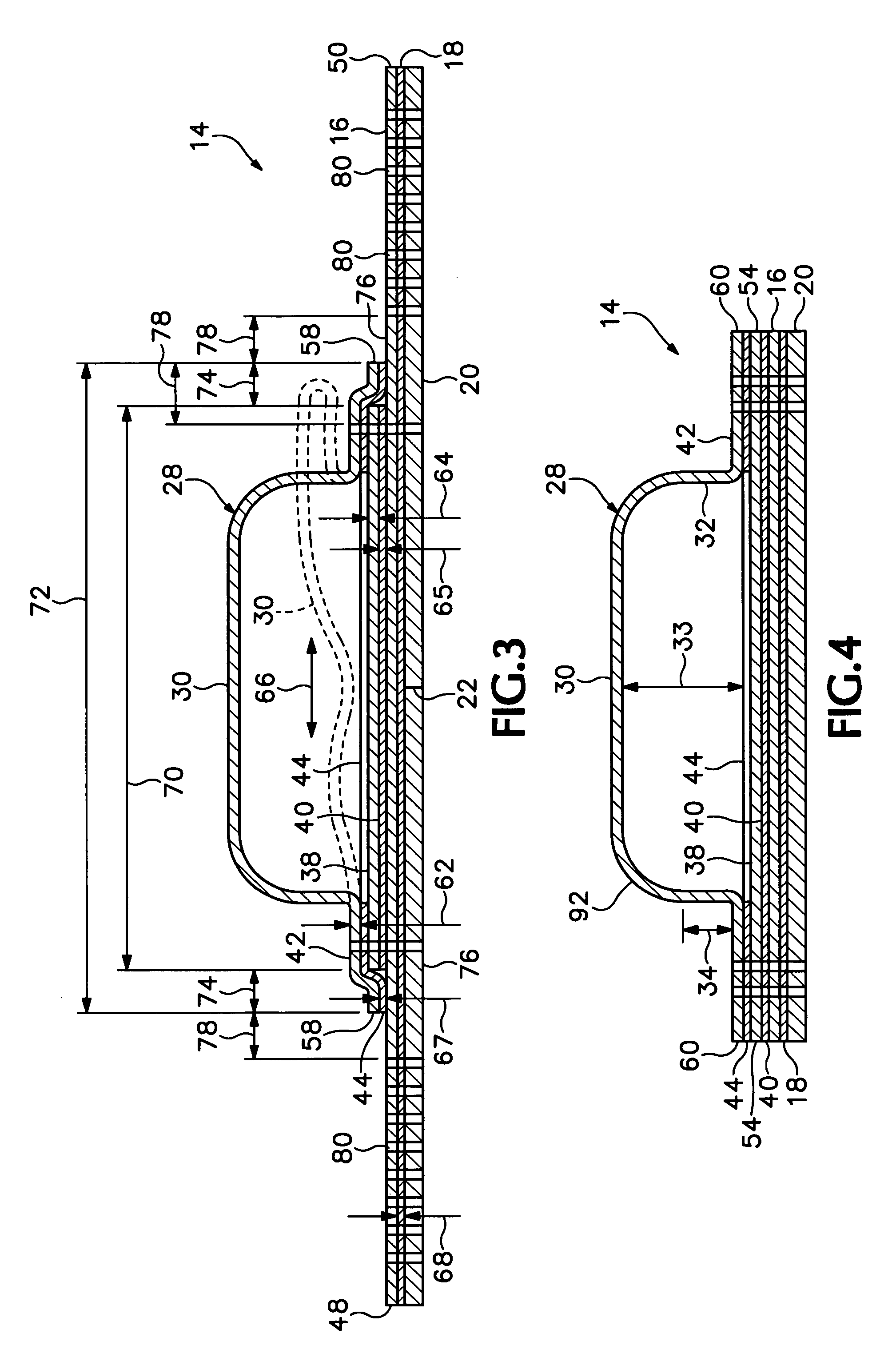
  • Figure 3
    Figure 3
Patent Text Reader

Abstract

Devices for reduction of damage from friction and for prevention and treatment of skin breakdown by relief of friction and shear forces. A friction reducing device may include a pair of thin membranes with low coefficients of friction with respect to each other, and of which one is free to slide through a limited distance along the other. A method of making one such device includes forming a dome in a flexible film and adhesively attaching a skirt surrounding the dome to a skin contact layer. Similar friction reducing devices may be incorporated in shoes, other clothing, or sports equipment or used to protect movable rods or cables.
Need to check novelty before this filing date? Find Prior Art

Description

CROSS-REFERENCE TO RELATED APPLICATIONS

[0001] This application is a continuation-in-part of U.S. patent application Ser. No. 10 / 672,731, filed Sep. 25, 2003, which is a continuation-in-part of application Ser. No. 10 / 637,429, filed Aug. 8, 2003.BACKGROUND OF THE INVENTION

[0002] The present invention relates to reduction of friction and prevention and treatment of irritation, discomfort, pain and skin breakdown resulting from shear and friction forces and pressure against a moving object.

[0003] Friction and shear forces are two factors that play a significant role in causing breakdown of skin and the underlying tissues, which can lead to erythema (red spots), blisters and pressure ulcers. Friction and shear forces commonly occur at the skin-support interface, e.g. where the skin contacts another surface such as in malfitting footwear, bedding, wheelchairs, under casts and under the socket of a prosthesis (artificial limb). Skin breakdown can also occur following rubbing on skin ar...

Examples

Embodiment Construction

[0050] Referring to FIGS. 1-4 of the drawings which form a part of the disclosure herein, an elliptical bandage 14 which is one preferred embodiment of the present invention includes a skin contact layer 16 of flexible film material to which a layer 18 of an adhesive material is adhered. The layer 18 of adhesive material is protected by an easily removable liner 20 divided into two separate halves by a cut 22 extending across the liner 20 to allow the halves of the liner 20 to be removed separately during application of the bandage 14 to a person's skin. Alternatively, one part of the liner 20 can overlap the other along the location of the cut 22, with the overlying portion including a folded-back margin flap 23 shown in broken line, to facilitate removal of the liner 20 from the skin contact layer 20 to apply the bandage. As one preferred size, the bandage 14 may have a length 24 of 66.67 mm (2.625 in.) and a width 26 of 38.1 mm (1.5 in.).

[0051] A dome 28 is centrally located on ...