
A method and device for preparing flexible battery negative electrode powder
A conductive powder and anode technology, applied in battery electrodes, circuits, electrolytic components, etc., can solve the problems of unstable and easily hydrolyzed battery corrosion inhibition system, and achieve the effects of convenient operation, improvement of self-discharge phenomenon, and reasonable design.
Patent Information
- Authority / Receiving Office
- CN · China
- Patent Type
- Patents(China)
- Current Assignee / Owner
- Publication Date
- 2019-12-20
Smart Images
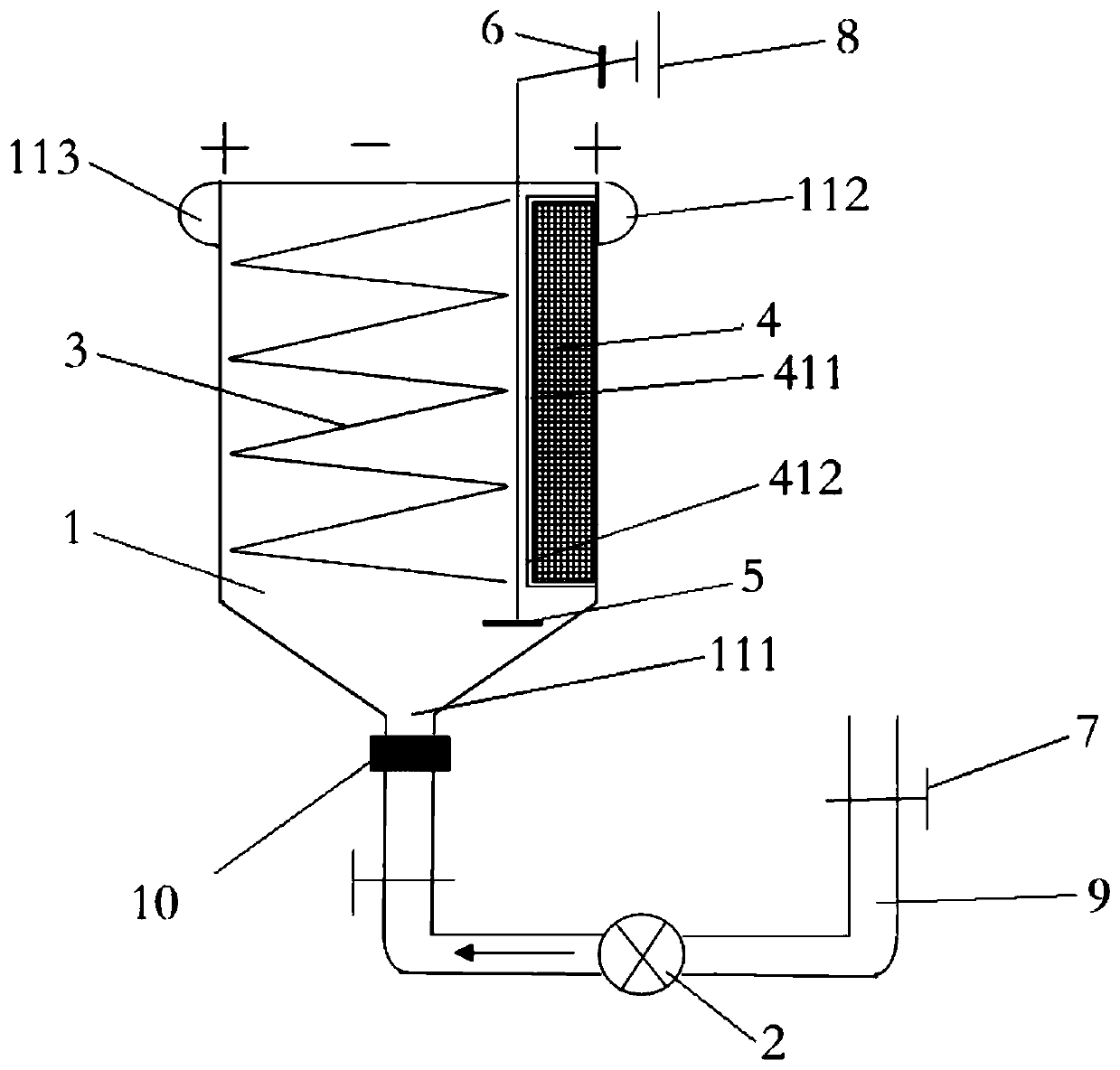
Figure 1 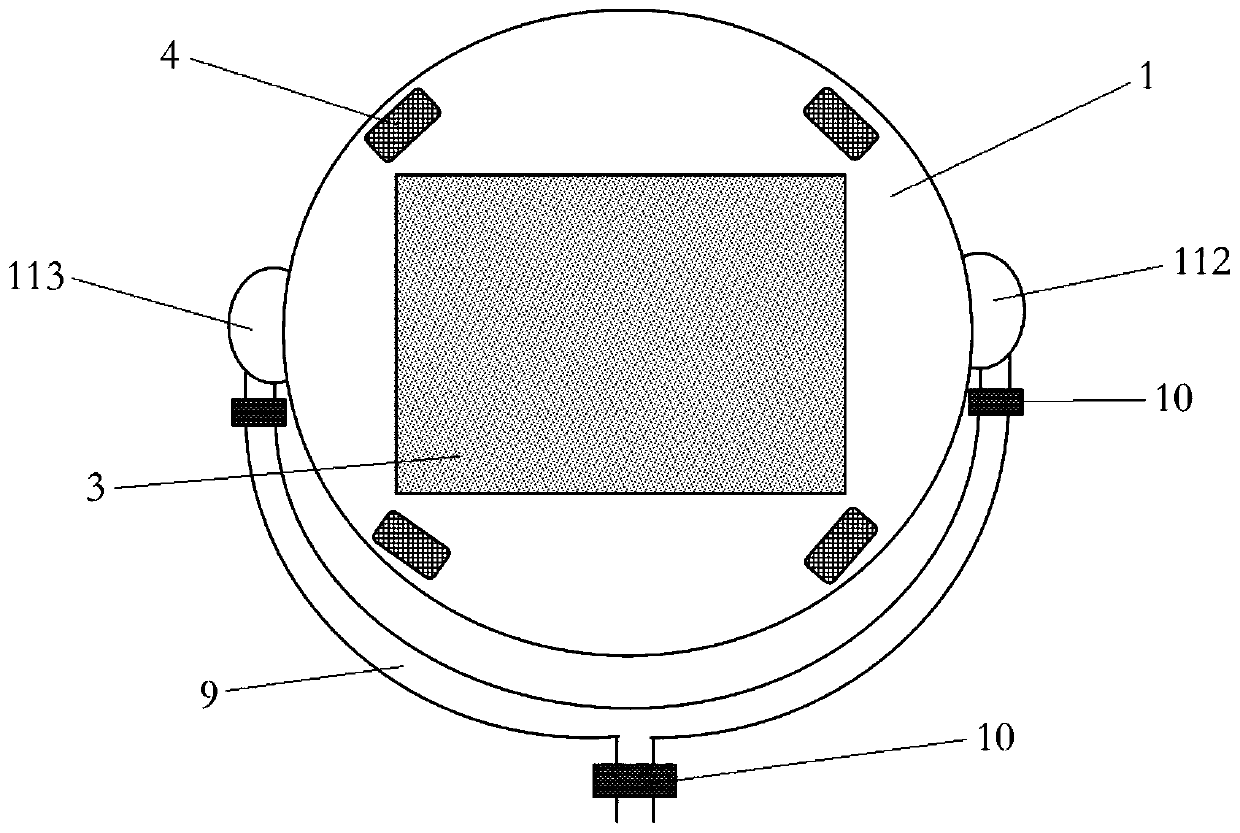
Figure 2
Abstract
Description
technical field
[0001] The invention relates to a method and device for preparing conductive powder, in particular to a method and device for electroplating zinc or zinc alloy on the surface of zinc powder or carbon powder to obtain zinc alloy composite powder, and the zinc alloy composite powder is used as a zinc-manganese battery Negative slurry. Background technique
[0002] With the continuous improvement of people's awareness of environmental protection, in the field of zinc-manganese batteries, inorganic corrosion inhibitors represented by toxic heavy metals such as mercury and lead will be eliminated in the near future. The research on the hydrogen evolution overpotential of metals shows that metals such as tin, bismuth, indium, and gallium have high hydrogen evolution overpotentials, which can be used to replace heavy metals such as mercury and lead that are extremely harmful to the environment in zinc-manganese battery corrosion inhibitors. application.
[0003] F...
Examples
Embodiment 1
[0032] The conductive powder is zinc powder, and the zinc-indium alloy powder is prepared. The size of zinc powder is 100um, and the shape can be spherical.
[0033] Pre-plating treatment:
[0034] Degreasing; cleaning; activation; DC or pulse intermittent tinning.
[0035] Electroplating solution and operating conditions: Indium sulfate 10g / L, zinc sulfate 50g / L, cationic surfactant cetyltetramethylammonium bromide 4g / L, slowly add zinc powder, stir until uniform dispersion, adjust the pH value 3. Add the mixed plating solution into the plating tank, turn on the circulation and stir, electroplate at room temperature, adjust the cathode current density to 3A / dm2, and the electroplating time to 20min.
[0036] Post-plating treatment:
[0037] A: Indium-plated zinc powder washing treatment: filter the obtained plating solution, recover the filtrate for the next electroplating, and clean the filter cake with deionized water until it is cleaned;
[0038] B: Drying treatment of...
Embodiment 2
[0042] The conductive powder is zinc powder, and the zinc-indium alloy powder is prepared. The size of zinc powder is 10um, and the shape can be spherical. The difference from Example 1 is:
[0043] DC or pulse intermittent electroplating indium.
[0044] Electroplating solution and operating conditions: indium sulfate 15g / L, ammonium sulfate 10g / L, cationic surfactant cetyltetramethylammonium bromide 2g / L, slowly add zinc powder with a size of 10um, stir until uniformly dispersed, Adjust the pH value to 4, add the mixed plating solution into the plating tank, start the circulation and stir, electroplate at room temperature, adjust the cathode current density to 1A / dm2, and the electroplating time to 30min.
[0045] The post-plating washing and drying treatments were the same as in Example 1 to obtain a zinc-indium alloy composite powder.
Embodiment 3
[0047]The conductive powder is zinc powder, and the zinc-tin alloy powder is prepared. The size of the zinc powder is 20um, and the shape is spherical. The difference from Example 1 is:
[0048] DC or pulse intermittent electroplating of bismuth.
[0049] Plating solution and operating conditions: stannous sulfate 60g / L, citric acid 45g / L, ammonium bifluoride 60g / L, cationic surfactant cetyltetramethylammonium bromide 5g / L, slowly add zinc powder, stir until Disperse uniformly, adjust the pH value to 5, add the mixed plating solution into the plating tank, start the circulation and stir, electroplate at room temperature, adjust the cathode current density to 3A / dm2, and the electroplating time to 60min.
[0050] The post-plating washing and drying treatments were the same as in Example 1 to obtain a zinc-tin composite gold powder.