
Analogue obtained by disulfide bond cyclization of opium and neuropeptide FF receptor multi-target molecule BN-9 as well as preparation method and application thereof
A BN-9, neuropeptide technology, applied in the field of biochemistry, can solve the problems of low effective analgesic dose, maternal intolerant, long analgesic effect time, etc.
Patent Information
- Authority / Receiving Office
- CN · China
- Patent Type
- Applications(China)
- Current Assignee / Owner
- Publication Date
- 2018-12-11
Smart Images
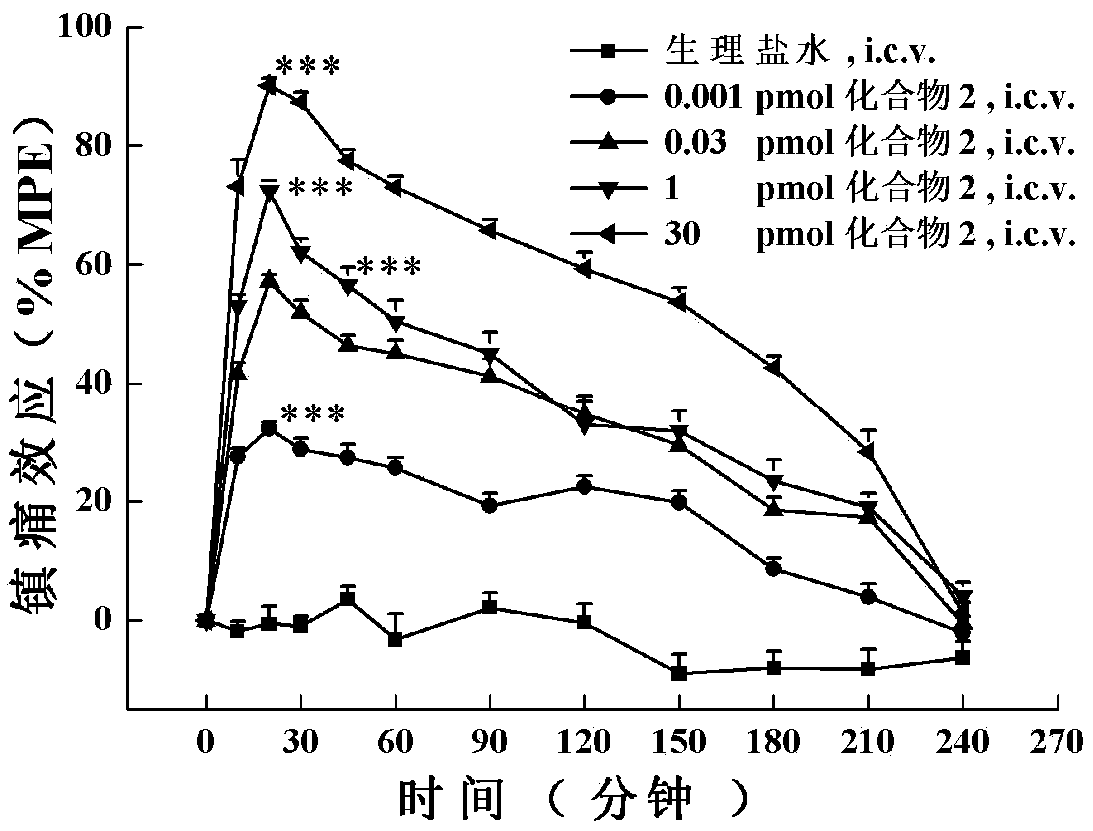
Figure 1 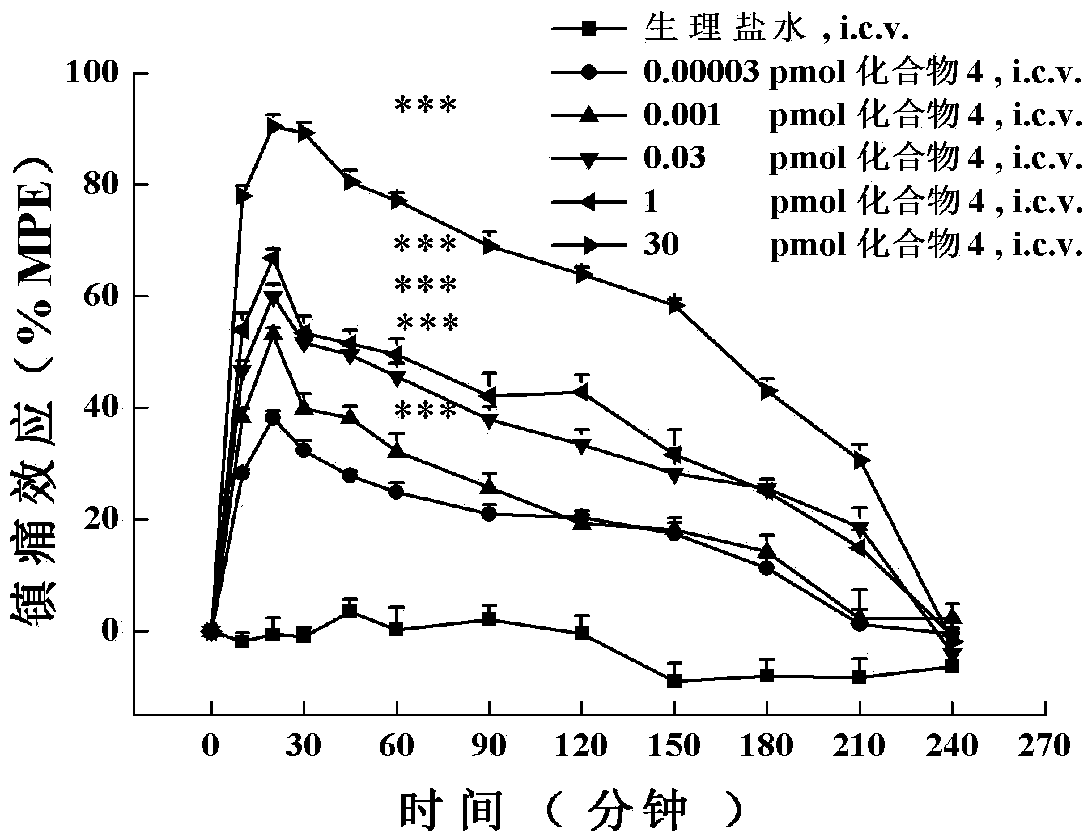
Figure 2 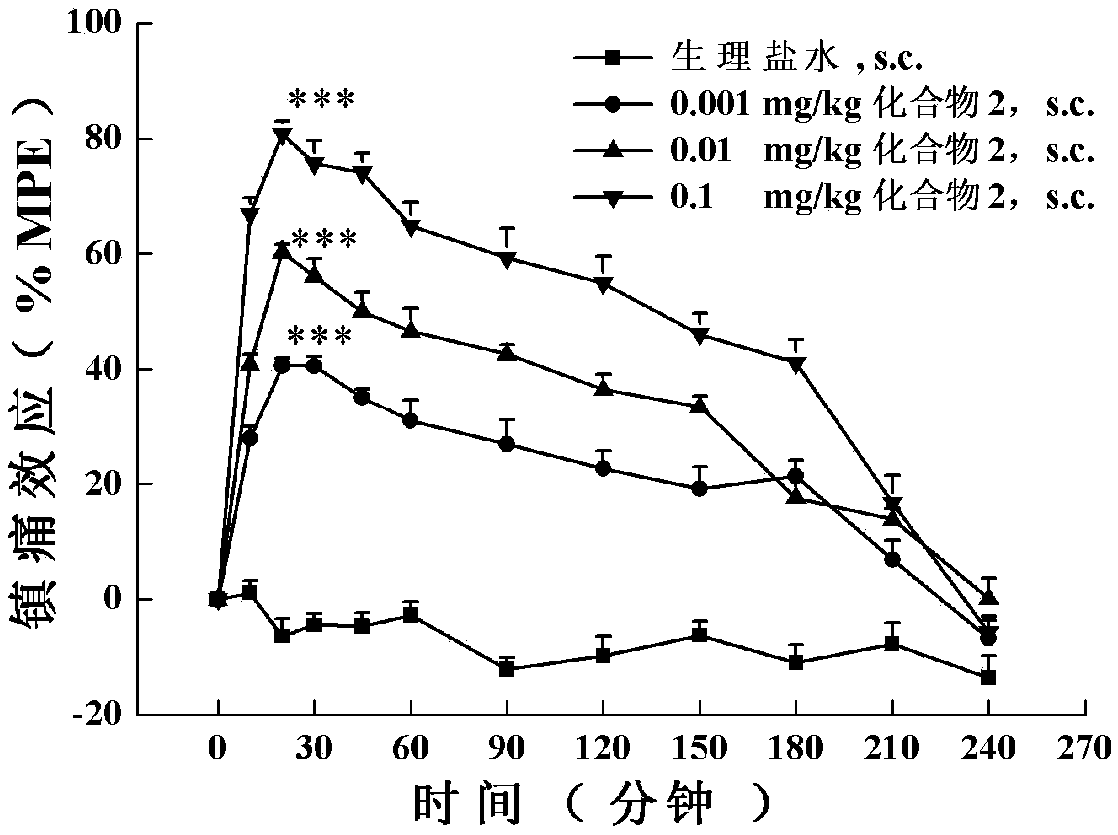
Figure 3
Abstract
Description
technical field
[0001] The invention belongs to the technical field of biochemistry, and specifically relates to a class of analogs of opioid and neuropeptide FF receptor multi-target molecule BN-9, a preparation method and application thereof. Background technique
[0002] Pain is an unpleasant sensory and emotional experience associated with actual or potential tissue damage that is subjective. Under normal physiological conditions, pain serves as a protective mechanism to prevent the body from being injured, but under pathological conditions, pain is intertwined with autonomic nervous activity, motor reflexes, psychological and emotional responses, causing suffering to patients, especially chronic pain It is a clinical problem that has not been fully resolved. The current clinical first-line opioid analgesics are often accompanied by opioid side effects, such as constipation, vomiting, respiratory depression, sedation, and drug dependence, while treating moderate or seve...
Examples
Embodiment 1
[0081] The synthetic method of embodiment 1 compound 1-8:
[0082] Experimental reagents: the resin is Rink-Amide-MBHA-Resin (substitution value S is 0.43mmol / g; Tianjin Nankai Hecheng Company), O-benzotriazole-N, N, N', N'-tetramethyl Urea-hexafluorophosphate (HBTU) (Shanghai Gil Biochemical Co., Ltd.), N-hydroxybenzotriazole (HOBt) (Shanghai Gil Biochemical Co., Ltd.), N, N-diisopropylethylamine (DIEA) ( Beijing Bailingwei), 1,8-diazabicycloundec-7-ene (DBU; Bailingwei). Ninhydrin is a product of Shanghai Reagent No.3 Factory. Dichloromethane (DCM), N,N-dimethylformamide (DMF), hexahydropyridine (piperidine), methanol (MeOH) and pyridine were all purchased from Tianjin Second Reagent Factory, trifluoroacetic acid (TFA), Phenol and pyridine are both products of Tianjin Reagent No. 1 Factory; the above organic reagents were redistilled before use.
[0083] Experimental equipment: solid-phase peptide synthesizer (designed by our laboratory), rotary evaporator (RE-5298A, Shan...
Embodiment 2
[0169] The in vitro functional activity assay of embodiment 2 analogs to opioid and NPFF receptors:
[0170] In stable expression of Mu-, Delta-, Kappa-opioid and NPFF 1 and NPFF 2 In HEK293 cells with receptors, their effects on these five receptors were detected by examining the regulation of the multi-target cyclized polypeptide of the opioid and NPFF receptors on Forskolin-induced intracellular cyclic adenosine monophosphate (cAMP) accumulation. agonistic activity. The specific method is: stably expressing Mu-, Delta-, Kappa-opioid and NPFF 1 and NPFF 2 Recipient HEK293 cells were seeded in 24-well plates at 120,000 cells per well, and cultured in an incubator for more than 20 hours. At the beginning of the experiment, the cell culture medium was replaced with preheated serum-free medium containing 1 mM IBMX, and incubated at 37°C for 10 min. Then, 10 μl of the drug to be tested and 10 μM forskolin (final concentration) were added to each well, and incubated at 37° ...
Embodiment 3
[0177] The in vitro enzymolysis stability measurement of embodiment 3 analogs:
[0178] Enzymatic Stability Test, an in vitro test to identify the stability of drugs in brain homogenate or plasma. Following incubation of compounds with brain homogenates or plasma, samples were analyzed for concentration by reverse phase HPLC. The half-life of the compound is then calculated. The specific method of enzymatic stability test is as follows:
[0179] 30±5g adult male mice were sacrificed by cervical dislocation, and the brain was removed (cerebellum and pons were removed), washed several times with ice-cold 1mM Tris-HCl buffer solution (pH=7.4) to remove residual blood on the brain, and blotted dry with filter paper , weighing. Add 50 times the volume of ice-cold 1 mM Tris-HCl (pH=7.4) (w / v=2%) buffer, place on ice for homogenization. The homogenate was placed in an ice bath for 30 minutes to facilitate cell lysis. Then add 0.5ml of 50mM ice-cold Tris-HCl for every 1ml of ho...