
Biochemical sample in-situ processing device and mass spectrometry imaging method for phosphorylated proteins
An in-situ processing and biochemical processing technology, applied in the field of analytical chemistry, to achieve the effect of clear imaging, convenient use, promotion of establishment and development, and popularization and application.
Patent Information
- Authority / Receiving Office
- CN · China
- Patent Type
- Patents(China)
- Current Assignee / Owner
- Publication Date
- 2020-04-28
Smart Images
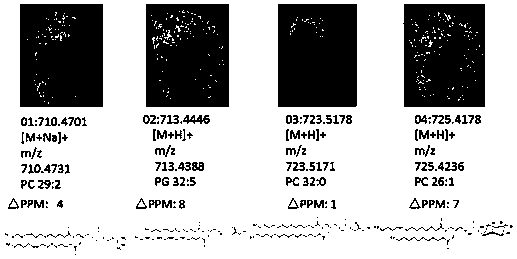
Figure 1 
Figure 2 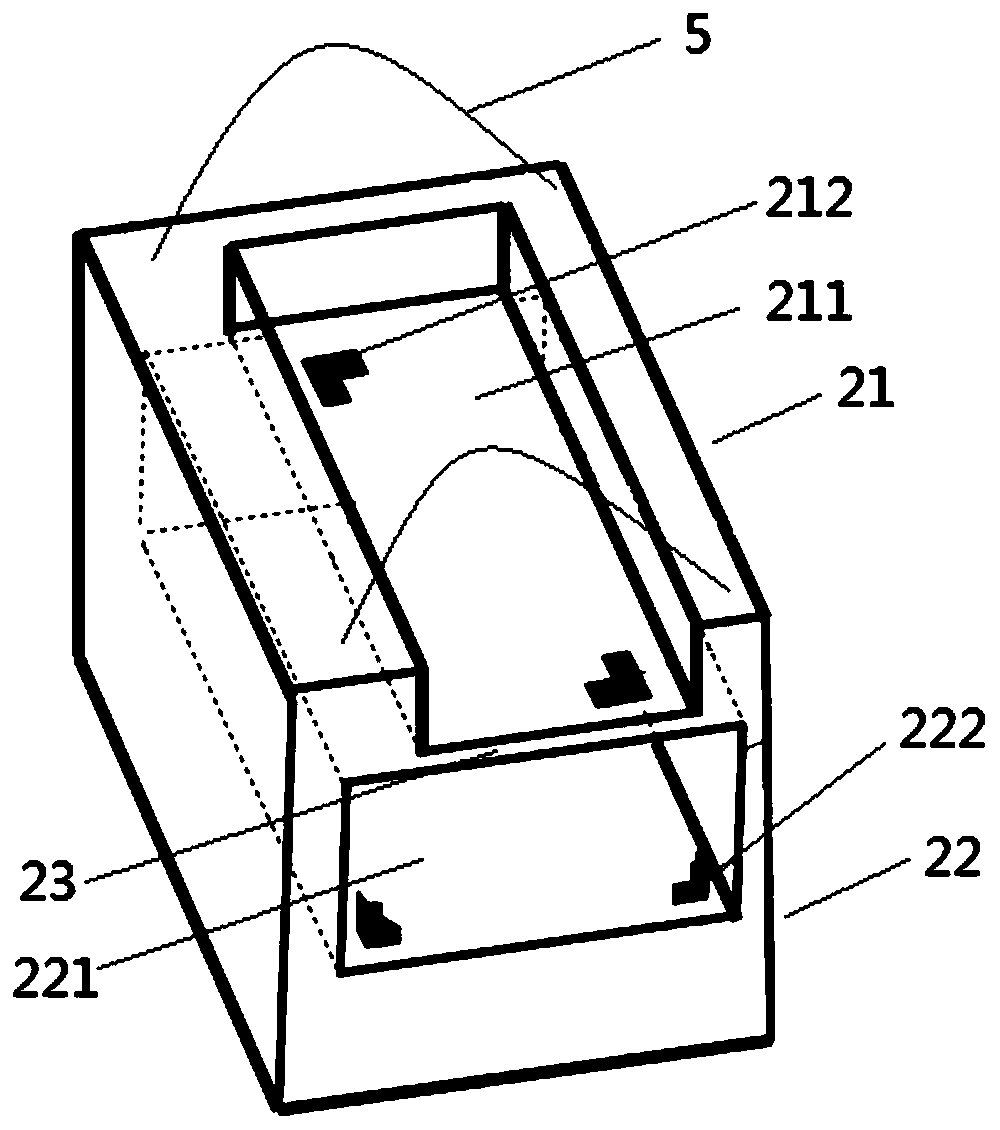
Figure 3
Abstract
Description
technical field
[0001] The invention relates to the technical field of analytical chemistry. More specifically, it relates to an in-situ processing device for biochemical samples and a mass spectrometry imaging method for phosphorylated proteins. Background technique
[0002] The processing of biochemical molecules on the surface of biological tissue samples is a mode of sample processing, which is widely used in the sample pretreatment process of various biological tissue surface analysis, such as staining of animal tissue surfaces, immunohistochemistry, transmission electron microscopy, cryo-electron microscopy and other samples surface treatment etc. For simple surface biochemical treatments, such as staining and immunohistochemistry, biochemical molecules only undergo simple non-covalent adsorption or covalent bonding on the sample surface, and spatial displacement is not easy to occur. However, in the more complicated and multi-step biochemical treatment process of th...
Examples
Embodiment 1
[0057] (1) Transfer the frozen section of biological tissue to the pretreated ITO glass slide, dry it in vacuum, transfer and fix it on the slide holder, and fix the matching double-layer magnet with strong magnetic field strength;
[0058] (2) Use a matrix sprayer to spray magnetic nanomaterials that can bond with -COOH; the biochemical treatment tank is prepared to hold various solutions required for biochemical treatment, including 70% ethanol and 100% ethanol for washing off fat Classes and other non-amino acid small molecules;
[0059] (3) Dry in vacuum, spray the matrix with a matrix sprayer, and detect by mass spectrometry imaging. A good imaging effect of amino acid mass spectrometry has been achieved, such as Figure 5 shown.
Embodiment 2
[0061] (1) Prepare biological tissue slices cut with surface protease, prepare frozen slices by a frozen section method, spray trypsin solution, incubate for 2 hours, and obtain biological tissue frozen slices after vacuum drying.
[0062] (2) Place the frozen section of biological tissue after protease digestion on the slide glass 3 of the biochemical sample in situ processing device provided by the present invention, and spray the surface of the frozen section of biological tissue at a concentration of 0.01ug / ul-100ug / ul ferric oxide suspension 5-250ul and incubate for 15min;
[0063] (3) Place the treated biological tissue frozen section in a magnetic field with vertical magnetic field lines for adsorption, and the magnetic ferric iron tetroxide suspension is combined with the phosphorylated peptide in the enzyme-cleaved peptide on the surface of the biological tissue frozen section , so that the phosphorylated peptides are fixed in place by magnetic adsorption;
[0064] ...