
Baceriocins and novel bacterial strains
Patent Information
- Authority / Receiving Office
- US · United States
- Current Assignee / Owner
- Publication Date
- 2005-07-14
- Estimated Expiration
- Not applicable · inactive patent
Smart Images
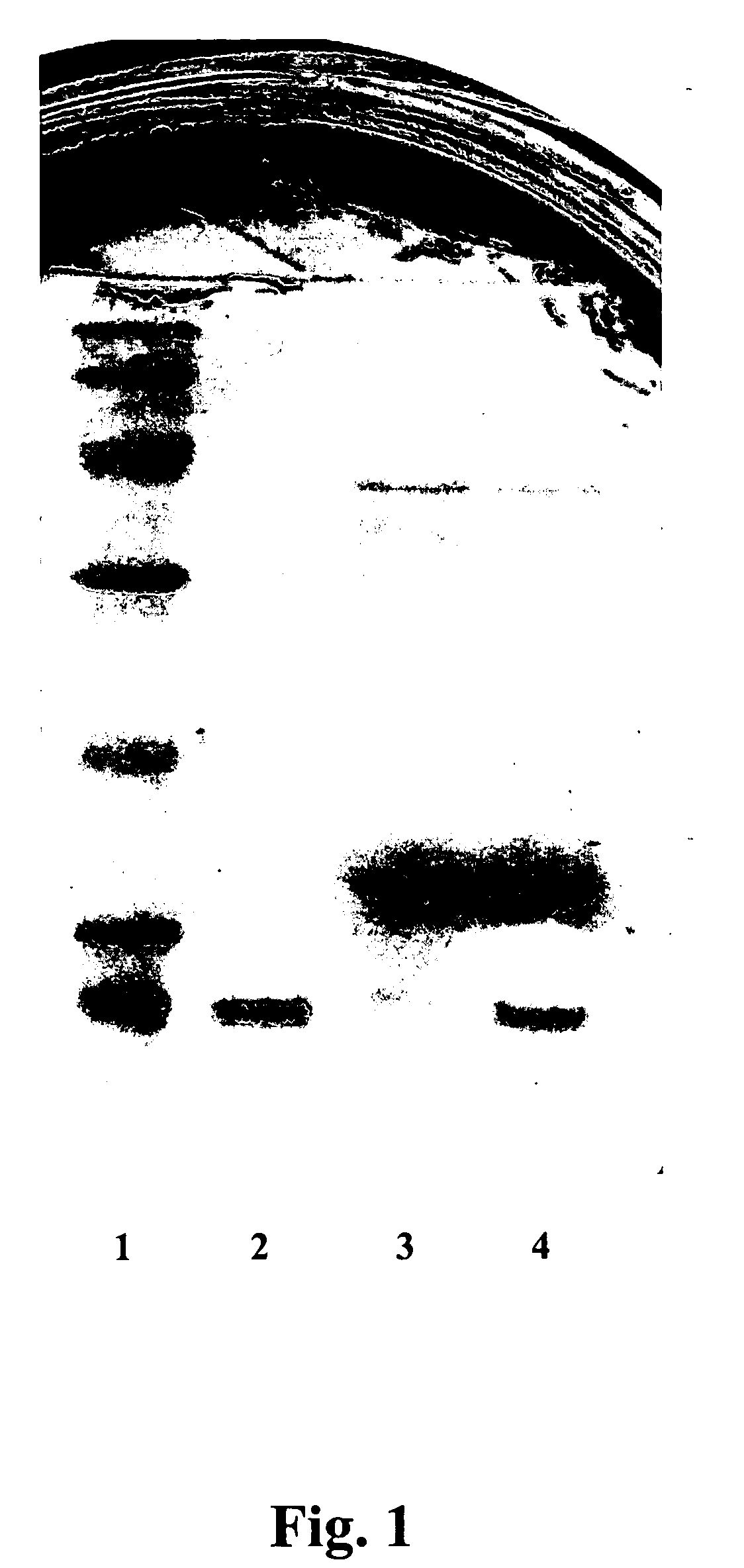
Figure 1 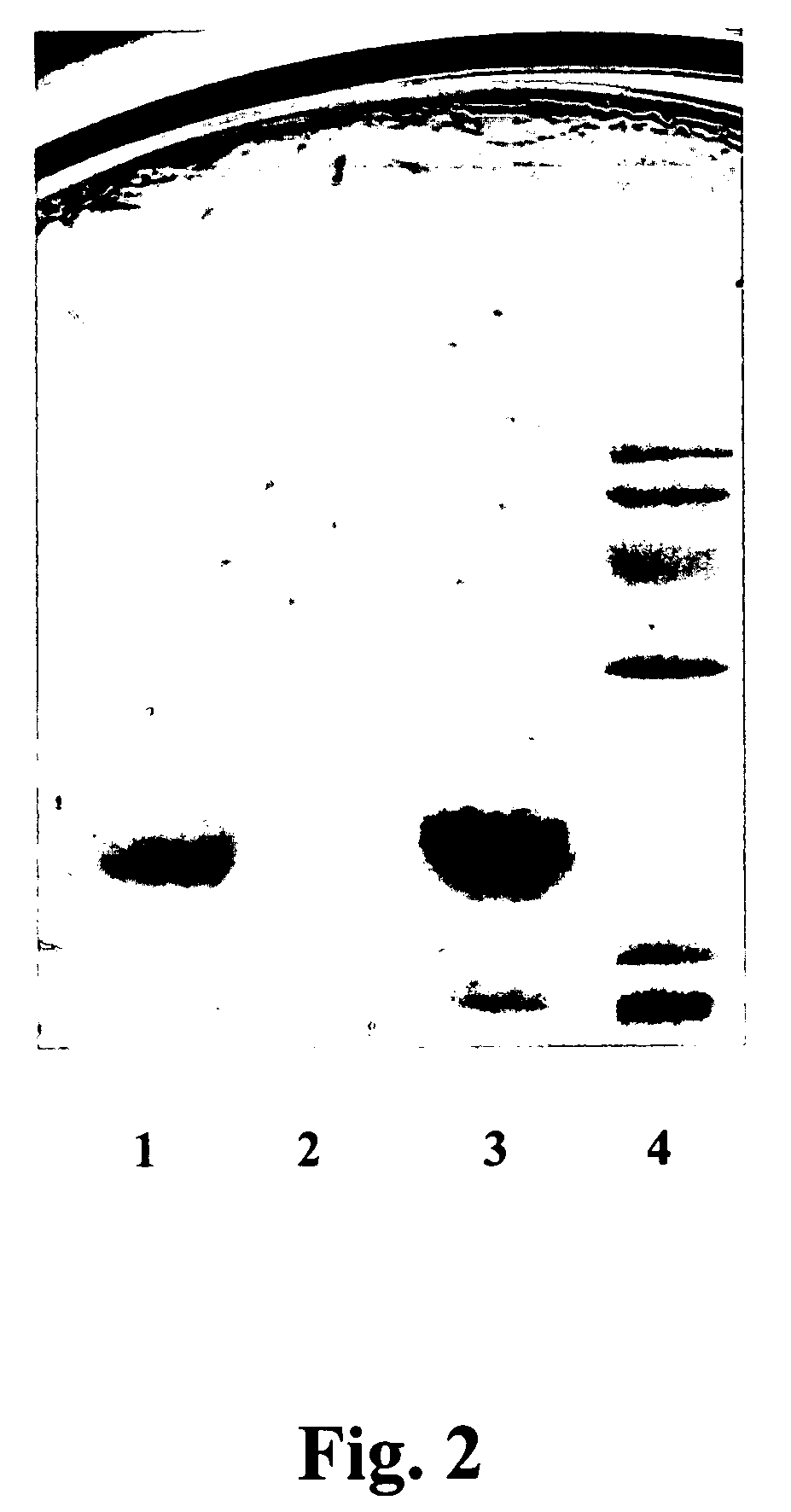
Figure 2 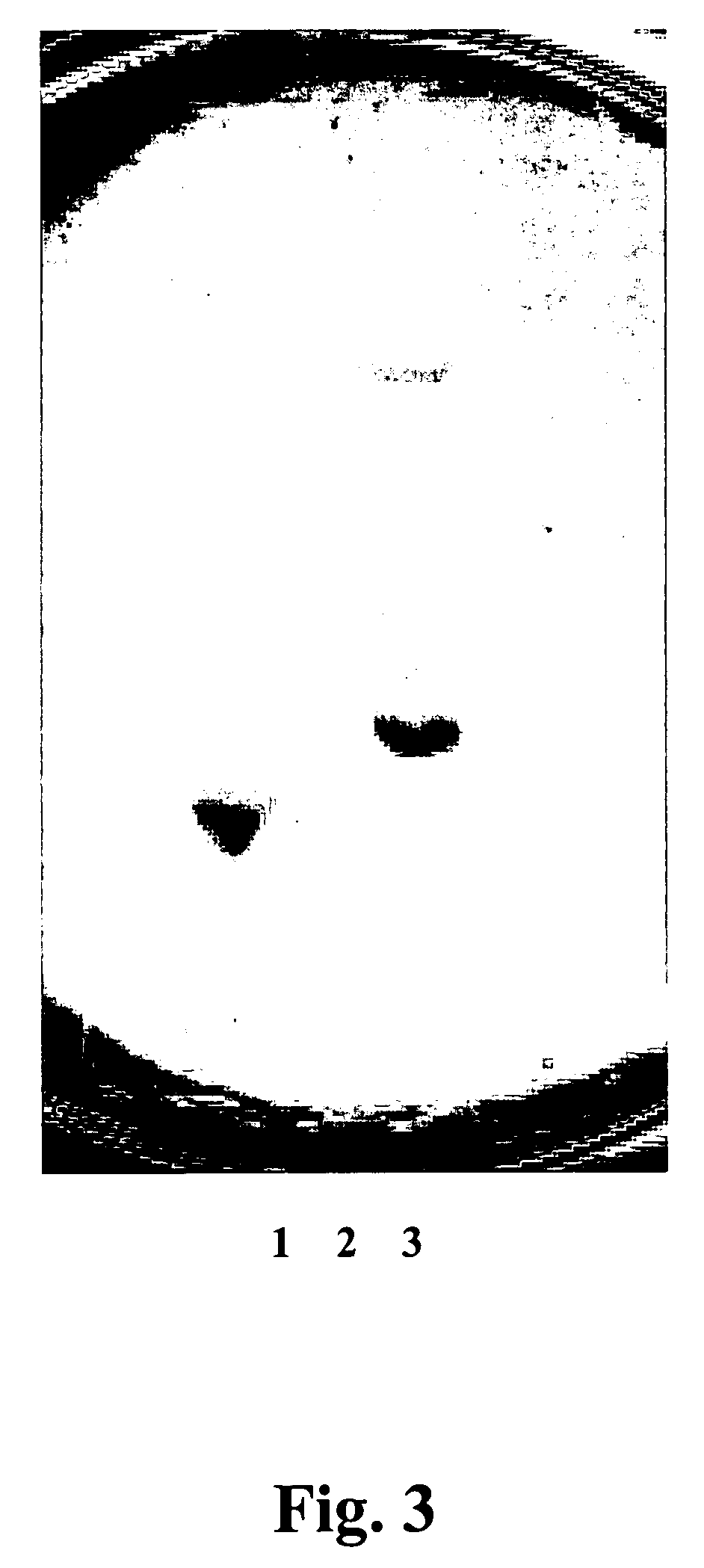
Figure 3
Abstract
Description
BACKGROUND OF THE INVENTION
[0001] 1. Field of the Invention
[0002] This invention relates to the control of disease in animals, especially poultry, through the use of novel bacteriocin-producing lactic acid-producing bacteria and / or novel bacteriocins produced by these species. It also relates to novel bacteriocins, amino acid sequences of the novel bacteriocins, and to the strains of lactic acid producing bacteria producing the novel bacteriocins. Furthermore, the invention relates to therapeutic compositions containing the novel bacteriocins and / or the strains of lactic acid producing bacteria producing them and to uses of the therapeutic compositions.
[0003] 2. Description of the Related Art
[0004] The consumption of improperly prepared poultry products has resulted in human intestinal diseases. It has long been recognized that Salmonella spp. are causative agents of such diseases and more recently, Campylobacter spp., especially Campylobacter jejuni, has also been implicated. B...
Examples
example 1
[0070] Two novel antagonistic strains, Lactobacillus salivarius designated NRRL B-30514 (Strain PVD32) and Lactobacillus acidophilus, designated NRRL B-30510 (Strain LWP320), producing bacteriocins were isolated from the ceca and crop of broilers. The ceca and crop were preliminarily emptied and washed twice with approximately 100 ml of sterile 0.85% w / v saline solution (normal saline). The ceca and crop material was suspended in sterile saline solution, pH about 7.0. About 0.1 ml of a 10-fold diluted suspension was plated directly onto selective MRS agar. Plates were anaerobically incubated at about 37° C. for about 16-18 hours. At least 10 colonies specific for Lactobacillus spp. were selected from each sample. Lactobacilli were identified using the APO 50 CHL microtest system (bioMerieux, France).
[0071] Strains Lactobacillus salivarius PVD 32 and Lactobacillus acidophilus LWP320 were grown at approximately 37° C. for about 24 hours on MRS Agar. The two strains are facultative an...
example 2
[0079] Two novel antagonistic strains, Enterococcus faecalis 21 (NRRL B-30645), and Enterococcus durans 26 (NRRL B-30511), producing bacteriocins, were isolated from cecal and crop smears of healthy broilers. Ceca and crops were emptied and washed twice with sterile 0.085% w / v saline solution (Normal saline) at about pH 7.0. The ceca and crop material were suspended in sterile normal saline at about pH 7.0. About 0.1 ml of a 10-fold diluted suspension was plated directly onto MRS selective medium and plates were incubated at about 37° C. for about 24-48 hours. Enterococci were identified using the microtest kit EN-COCCUS.
[0080]Campylobacter jejuni ATCC 11168 was used as a test culture to evaluated isolates for antagonistic activity as described above in Example 1. Thirty-three other strains were used as test cultures to evalutate isolate antagonistic activity as described above in Example 1. Antagonistic activity of the isolates against Campylobacter was also evaluated as described...
example 3
[0082] Crude antimicrobial preparations were prepared by ammonium sulfate precipitation only from cultures of antagonistic strains of Lactobacillus grown on starvation medium:
K2HPO46.0gramsKH2PO40.2gram(NH4)2SO40.2gramMgSO40.1gramglucose9.0gramshistidine0.08gramarginine0.02gram
[0083] Add distilled H20 to 1,000 ml, pH 7.2 for about 18 hours under aerobic conditions at about 37° C. The culture fluids were centrifuged at about 12,000×g, for about 10 minutes. The resulting supernatants were adjusted to pH of about 6.2 by adding 1N NaOH and about 130 U / ml catalase was added to remove organic acids, hydrogen peroxide, and inhibiting factors. Antagonistic peptides were isolated from the supernatant by a combination of ammonium sulfate precipitation, desalting chromatography, and gel filtration to produce a crude preparation (CAP). CAP samples were filtered through 0.22 p filters (Millipore, Bedford, Mass.).