
Single-ion polymer electrolyte system as well as preparation method and application thereof
A single ion and polymer technology, applied in non-aqueous electrolytes, solid electrolytes, electrolyte immobilization/gelation, etc., can solve problems such as concentration polarization, hinder lithium ion migration, and reduce battery cycle performance
Patent Information
- Authority / Receiving Office
- CN · China
- Patent Type
- Applications(China)
- Current Assignee / Owner
- Publication Date
- 2020-06-23
Smart Images
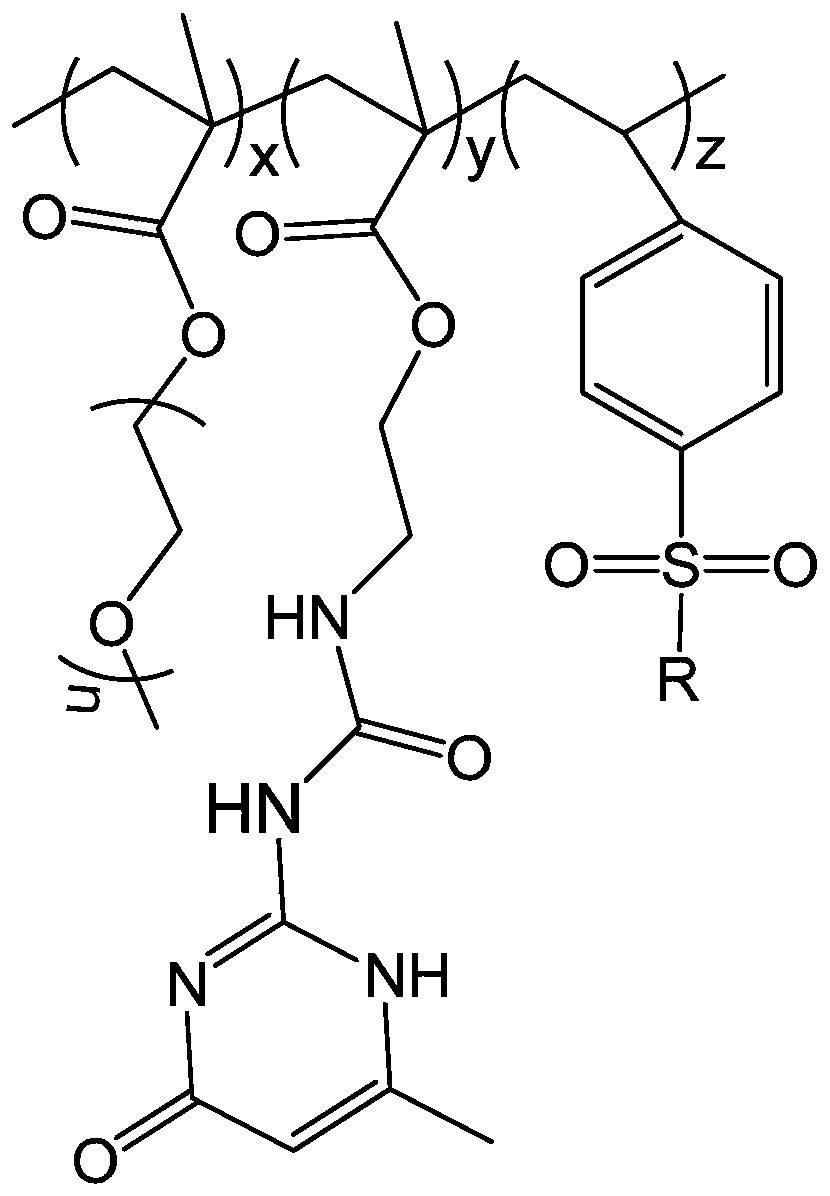
Figure 1 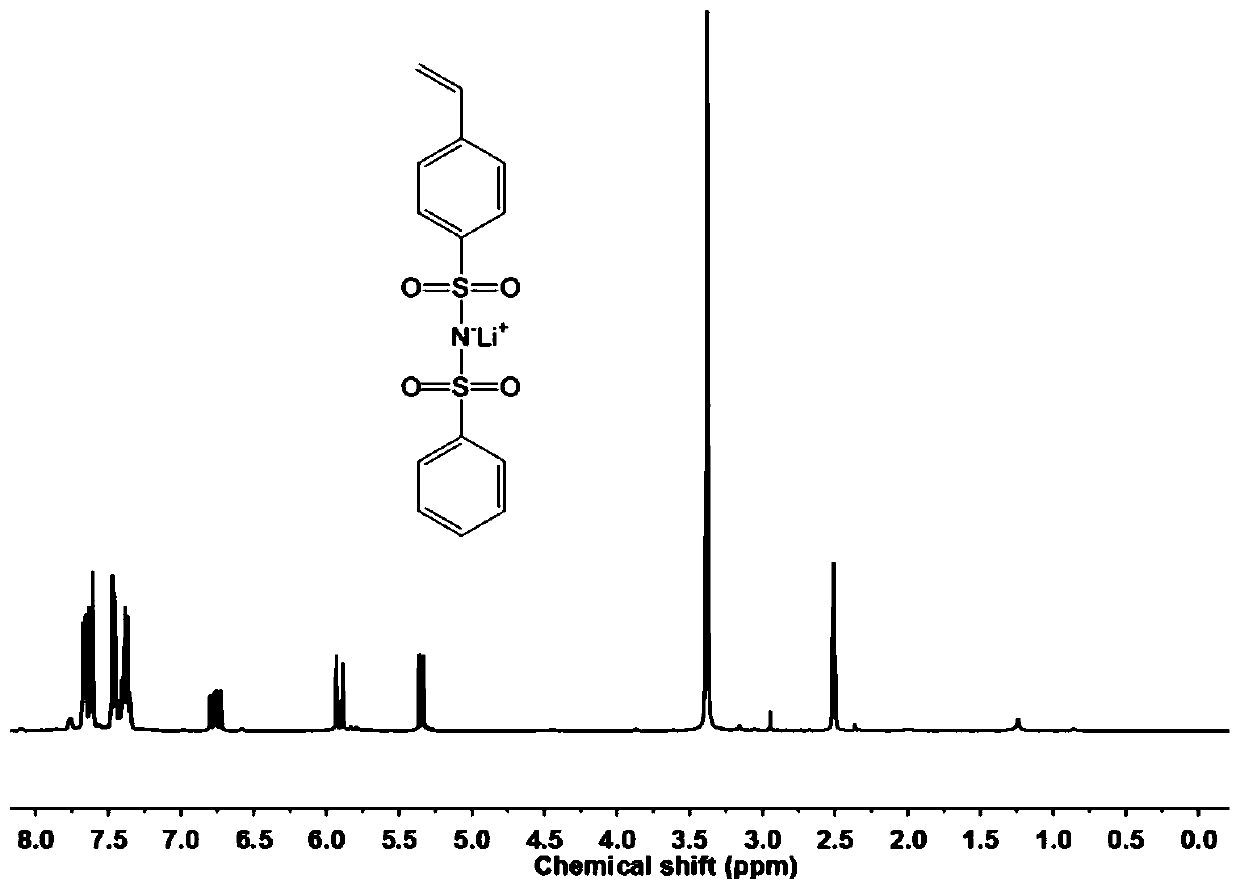
Figure 2 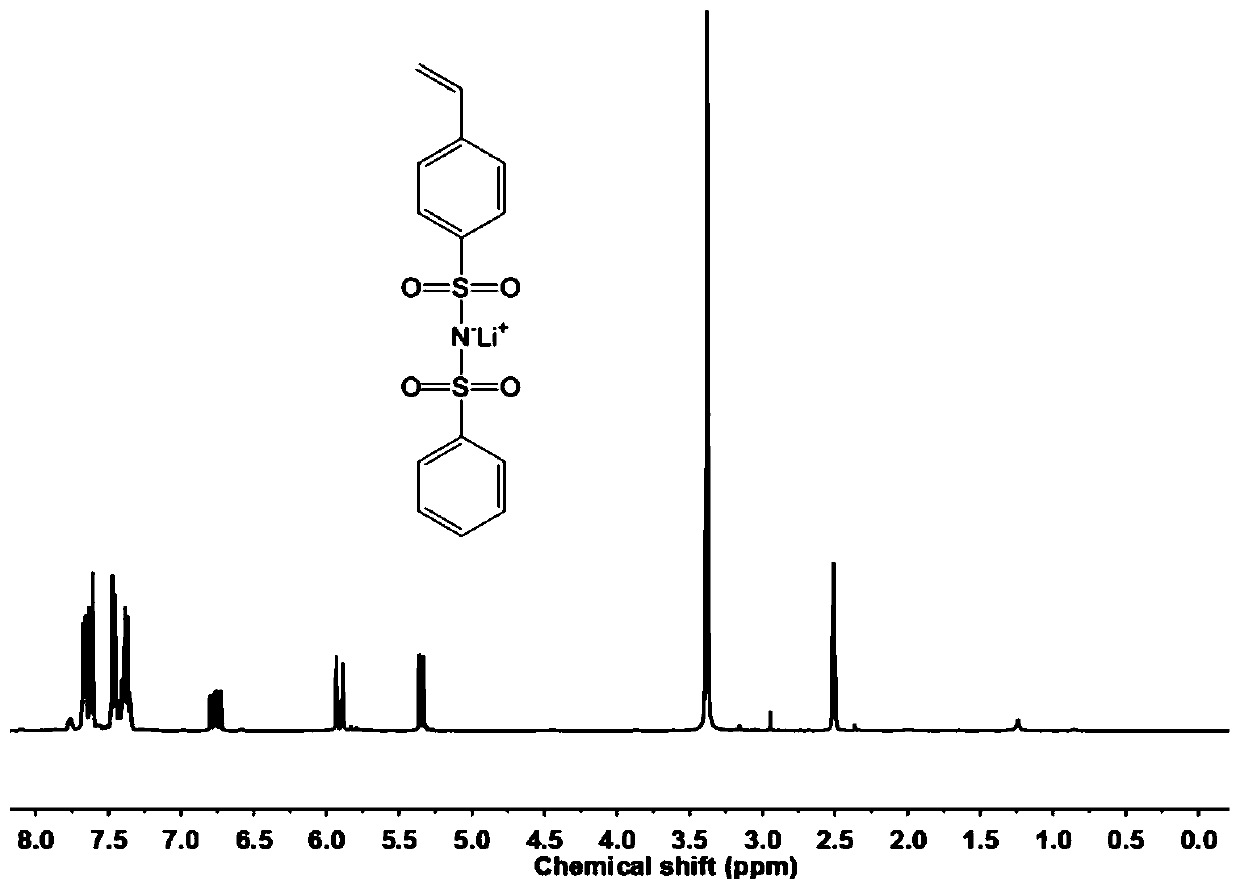
Figure 3
Abstract
Description
technical field
[0001] The invention belongs to the related field of polymer electrolyte systems, and more specifically relates to a single-ion polymer electrolyte system and its preparation method and application. Background technique
[0002] Electrolyte is one of the key materials of lithium-ion batteries, and its chemical composition and structure directly affect the performance of lithium-ion batteries. At present, commercial lithium-ion batteries are still dominated by organic liquid electrolytes, but liquid electrolytes contain a large amount of flammable, explosive and volatile organic solvents, which bring many problems to the safety performance of lithium-ion batteries. Compared with liquid electrolytes, solid electrolytes have better safety performance, especially polymer electrolyte systems can be rationally designed according to different battery performance requirements, and then endow the electrolyte with multiple functions, making polymer electrolyte systems ...
Examples
Embodiment approach
[0078] According to a preferred embodiment of the present invention, the chemical structural formula of the single ion conductor lithium salt containing p-styrenesulfonyl group is:
[0079]
[0080] According to another preferred embodiment of the present invention, the chemical structural formula of the UPyMA containing quadruple hydrogen bonds is:
[0081]
[0082] The chemical structural formula of described polyethylene glycol monomethyl ether methacrylate is:
[0083]
[0084] According to another preferred embodiment of the present invention, in the above-mentioned single-ion polymer electrolyte system, the molar ratio of the lithium salt to the ethoxy structural unit in the single-ion polymer electrolyte is preferably set to 1:5-1 :50. In addition, the relative molecular mass of the polyethylene glycol monomethyl ether methacrylate is preferably set at 200-1000.
[0085] The second aspect of the present invention is to provide a preparation method of a single...
Embodiment 1
[0152] Add 60mL of N,N-dimethylformamide into a 250mL two-necked round-bottomed flask, stir at 0°C for more than 30 minutes, then drop 50mL of thionyl chloride into N,N-dimethylformamide through a constant pressure dropping funnel in the amide solution. Under 0°C and argon atmosphere, with mechanical stirring, slowly add 0.1 mol p-styrene sodium sulfonate solid powder into the above solution. After the sodium p-styrene sulfonate was completely dissolved, it was stirred for 2 hours at 0°C under an argon atmosphere, and then stirred for another 6 hours at room temperature under an argon atmosphere, and the resulting reaction solution was placed in a refrigerator at 4°C overnight. The reaction solution was dissolved in deionized water, extracted with dichloromethane, anhydrous MgSO 4 Drying, suction filtration, rotary evaporation, and drying gave p-styrenesulfonyl chloride, which was dissolved in anhydrous acetonitrile for later use.
[0153] Dissolve 0.1mol benzenesulfonamide,...
Embodiment 2
[0158] Add 60 mL of tetrahydrofuran into a 250 mL two-necked round-bottom flask, stir at 0°C for 30 minutes, and then drop 50 mL of thionyl chloride into the tetrahydrofuran solution through a constant pressure dropping funnel. Under 0°C and argon atmosphere, with mechanical stirring, slowly add 0.1 mol p-styrene sodium sulfonate solid powder into the above solution. After the sodium p-styrenesulfonate was completely dissolved, the mixture was stirred at 0° C. under an argon atmosphere for 1 hour, and then stirred at room temperature under an argon atmosphere for another 30 minutes to obtain a reaction solution. The reaction solution was dissolved in deionized water, extracted with dichloromethane, anhydrous MgSO 4 Drying, suction filtration, rotary evaporation, and drying gave p-styrenesulfonyl chloride, which was dissolved in anhydrous acetonitrile for later use.
[0159] Dissolve 0.1 mol of trifluoromethanesulfonamide, 0.2 mol of 4-dimethylaminopyridine and 0.3 mol of trie...