
Compositions Containing Antiviral Compounds and Methods of Using the Same
- Summary
- Abstract
- Description
- Claims
- Application Information
AI Technical Summary
Benefits of technology
Problems solved by technology
Method used
Image

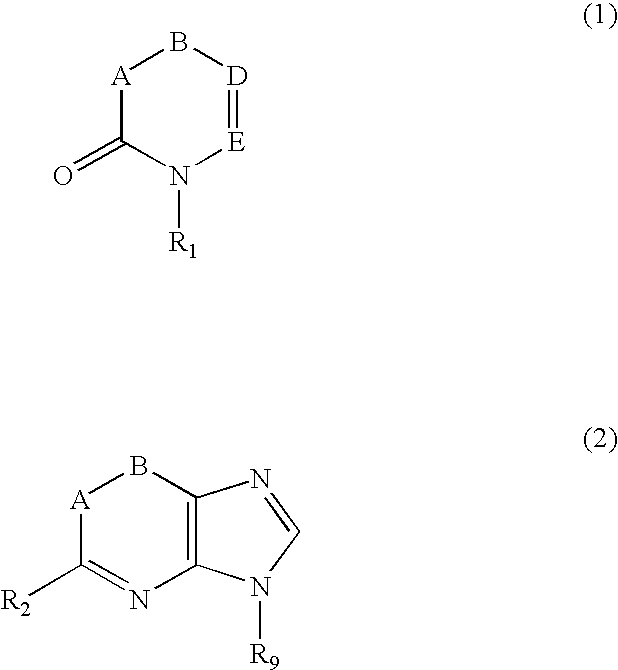
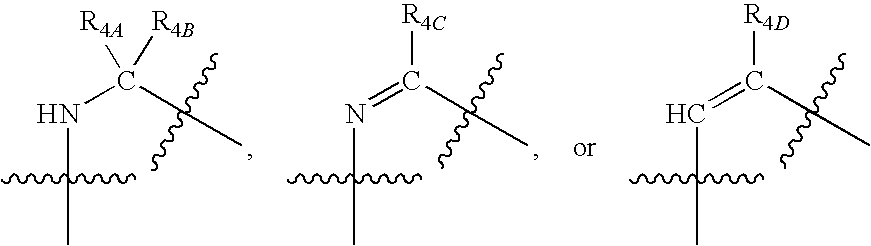
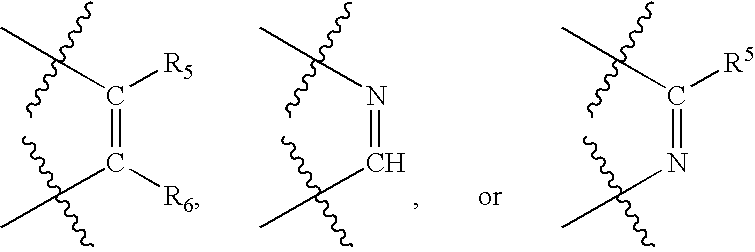
Examples
example 1
Acyclovir / 1-methylimidazole
[0382]In this example, ˜1 g of Acyclovir was weighed into a 20 ml Erlenmeyer flask and 10 ml of 1-methylimidazole was added. The mixture was stirred at the appropriate temperature (0° C., 8° C., 20° C., 35° C. or 50° C.) for 30 minutes. A warm water bath or ice bath monitored with a thermocouple was used to reach the desired temperatures. Approximately 1 ml of the suspension was filtered using a syringe, filter, and vial that had been stored either in a 65° C. oven (e.g., for the 50° C. and 35° C. experiments) or in the freezer (e.g., for the 8° C. 0° C. experiments). The 20° C. experiment was filtered using a syringe, filter, and vial stored at room temperature. The filtered sample was prepared by transferring 100 μl to a 50 ml volumetric flask and diluting to volume with 0.01 N NaOH. The samples were then analyzed by HPLC, which yielded the following results:
SampleSampleTemperaturemg / mL50° C.56.635° C.55.720° C.42.1 8° C.41.5 0° C.41.7
[0383]Conditions fo...
example 2
Acyclovir / 1-methylimidazole
[0391]In this example, ˜0.6 g of Acyclovir was weighed into separate 20 ml scintillation vials. The appropriate amounts of 1-methylimidazole and water were added to each vial. The vials were fitted into a holder attached to a vortex mixer and shaken for 1 hour. A small amount of each solution was then filtered with a glass fiber filter and diluted to 100 μl into a 50 ml volumetric flask with 0.01 N NaOH. The samples were then analyzed by HPLC using the same conditions as described above in example 1, which yielded the following results:
Water1-methylimidazoleSample(% by volume)(% by volume)mg / ml10001.39556.690104.185158.9752510.9505013.7257511.4109027.4010057.4
[0392]Conditions for HPLC where the same as those described in Example 1.
example 3
Acyclovir / Imidazole
[0393]In this example, 0.5 g of imidazole was weighed into a 20 ml vial and 9.5 ml of water was added. Approximately 0.2 g of Acyclovir was added, and the vial was capped and shaken for 1 hour. A small amount of the suspension was then filtered using a glass fiber filter. Then, about 100 μL of the filtered solution was diluted to 10 ml in a volumetric flask with 0.01 N NaOH. This sample was then analyzed by HPLC using the same conditions as described in example 1, which yielded a result of 3.8 mg / ml. This procedure was repeated using approximately the same amounts as above of 4-methylimidazole. This experiment yielded a result of 5.9 mg / ml.
PUM
| Property | Measurement | Unit |
|---|---|---|
| Current | aaaaa | aaaaa |
| Temperature | aaaaa | aaaaa |
| Temperature | aaaaa | aaaaa |
Abstract
Description
Claims
Application Information
 Login to View More