Autonomic error recovery for a data breakout appliance at the edge of a mobile data network

a data breakout and error recovery technology, applied in data switching networks, instruments, frequency-division multiplexes, etc., can solve the problems of difficult to upgrade the capability of existing networks, the only device that can access mobile, and the cost of mobile data network hardware and software is high

US20130157644A1Inactive Publication Date: 2013-06-20IBM CORP
9 Cites 11 Cited by

Patent Information

Authority / Receiving Office
US · United States
Current Assignee / Owner
Publication Date
2013-06-20
Estimated Expiration
Not applicable · inactive patent

Smart Images

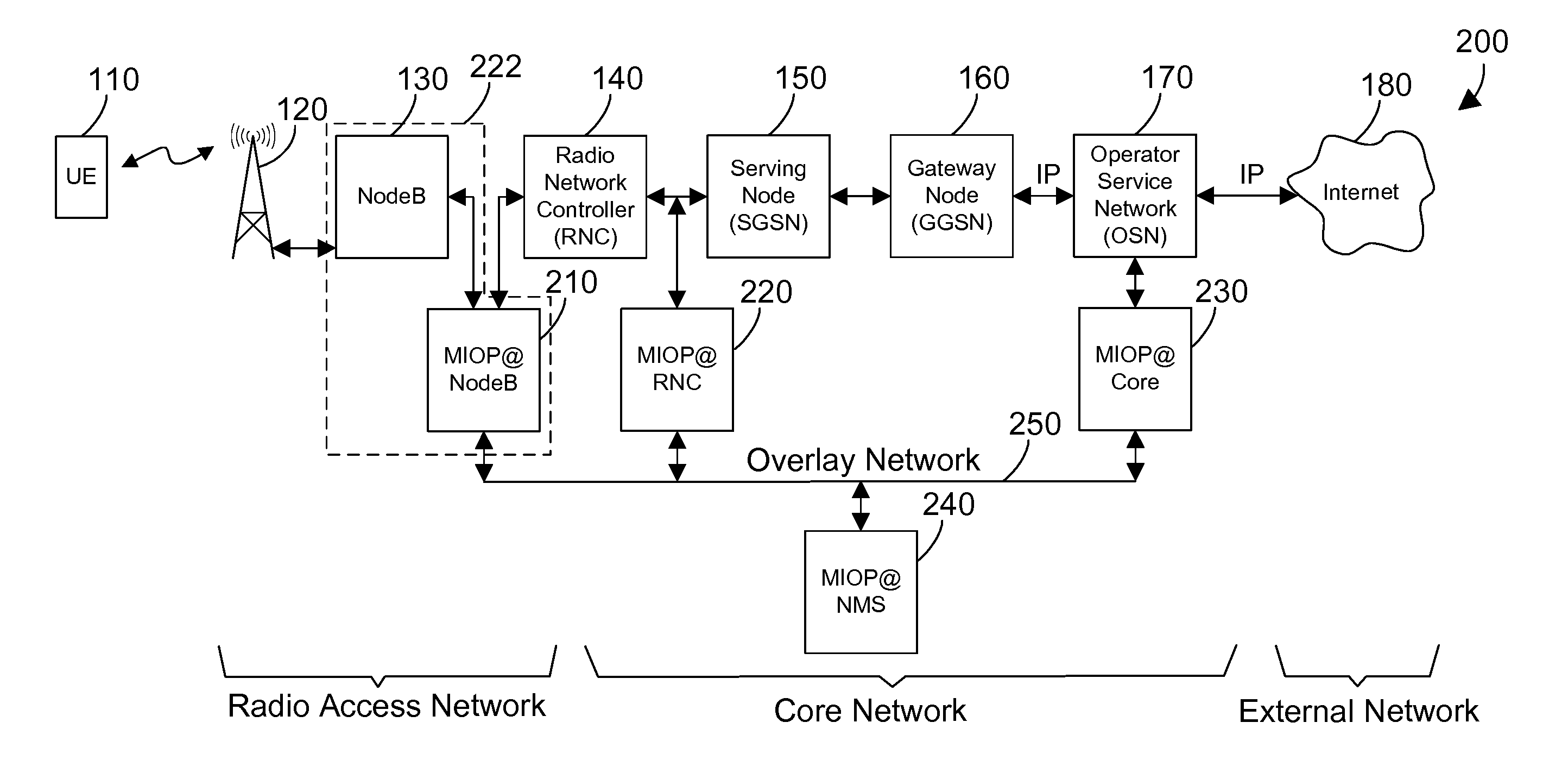
  • Figure 1
    Figure 1
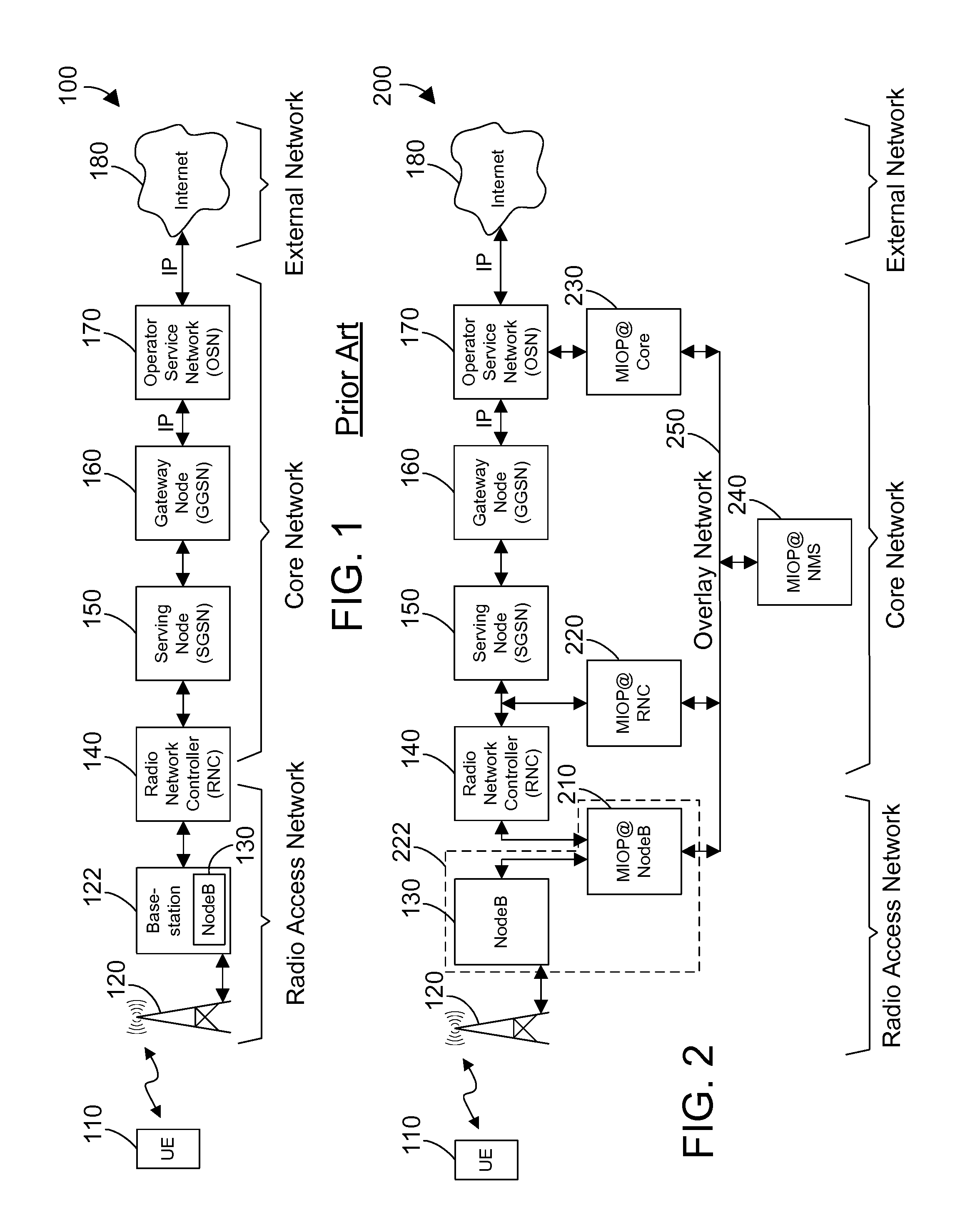
  • Figure 2
    Figure 2
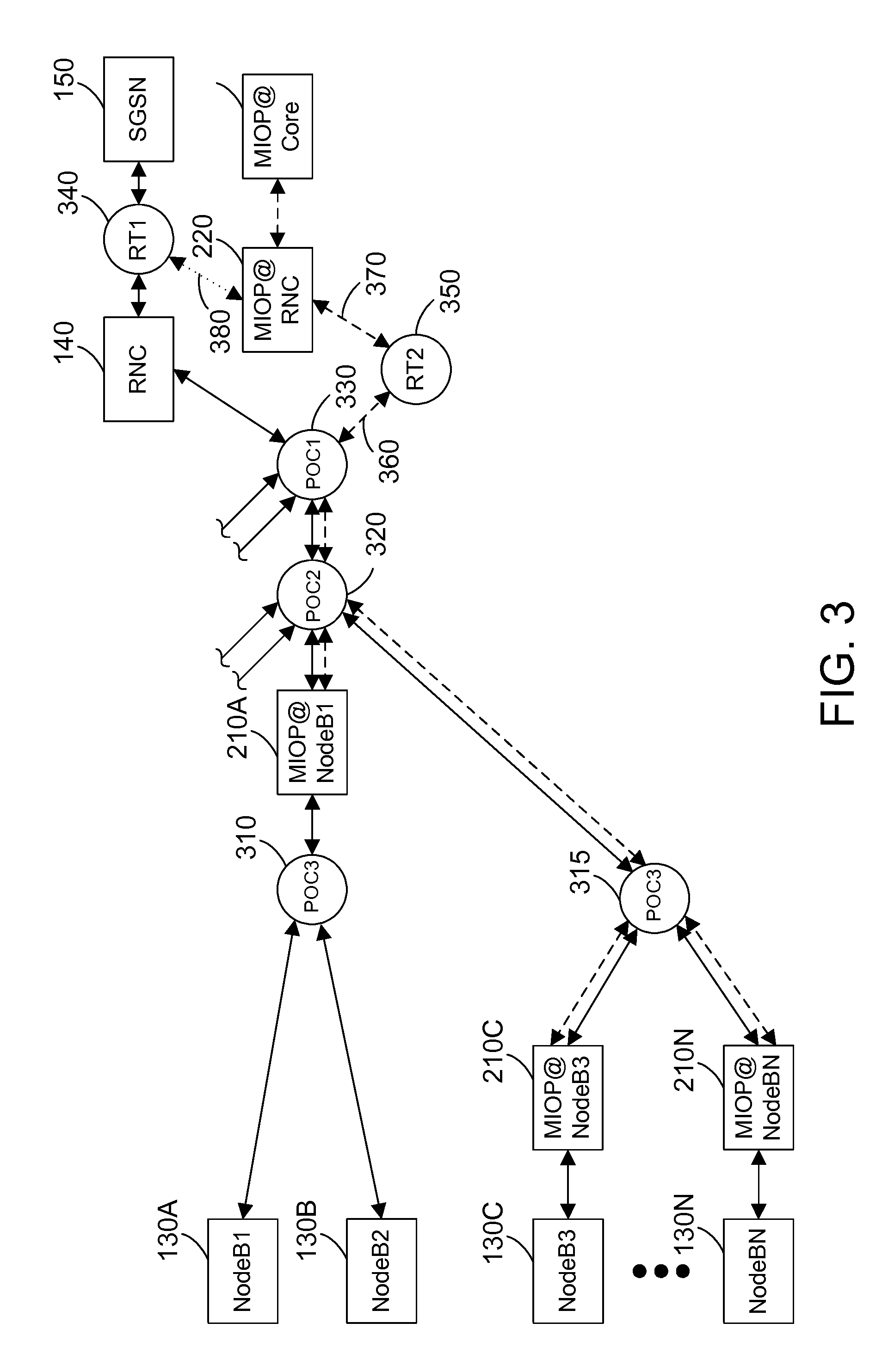
  • Figure 3
    Figure 3
Patent Text Reader

Abstract

A mechanism provides autonomic recovery for a breakout appliance at the edge of a mobile data network from a variety of errors using a combination of hardware, software and network recovery actions. The recovery actions proceed upon a sliding scale depending on the severity of the problem to achieve the goals of minimizing disruption to traffic flowing through the NodeB while also maintaining an acceptable cost of ownership / maintenance of the system by automatically recovering from as many problems as possible. The error recovery functions within the breakout system hide the error recovery complexities from the management system upstream in the mobile data network. For critical, non-recoverable errors, the autonomic recovery mechanism works in conjunction with a fail-to-wire module to remove the breakout system in the event of a failure in such a way that the mobile data network functions as if the breakout system is no longer present.
Need to check novelty before this filing date? Find Prior Art

Description

BACKGROUND

[0001] 1. Technical Field

[0002] This disclosure generally relates to mobile data networks and more specifically to autonomic recovery of a data breakout appliance at the edge of a mobile data network.

[0003] 2. Background Art

[0004] Mobile phones have evolved into “smart phones” that allow a user not only to make a call, but also to access data, such as e-mails, the internet, etc. Mobile phone networks have evolved as well to provide the data services that new mobile devices require. For example, 3G networks cover most of the United States, and allow users high-speed wireless data access on their mobile devices. In addition, phones are not the only devices that can access mobile data networks. Many mobile phone companies provide equipment and services that allow a subscriber to plug a mobile access card into a Universal Serial Bus (USB) port on a laptop computer, and provide wireless internet to the laptop computer through the mobile data network. As time marches on, the amount ...

Examples

Embodiment Construction

[0058]The basestations of a mobile data network need to be robust to maintain the constant flow of data to and from user equipment over the network. These basestations are often in remote locations that are not easy to service. It is important that any failure of a breakout system not take down the entire basestation. A failure of the breakout system needs to be managed such that the breakout system failure, which is tasked to enhance the basestation, will not adversely affect the basestation.

[0059]The autonomic recovery mechanism described herein provides autonomic recovery for the breakout system from a variety of failures using a combination of hardware, software and network recovery actions. The recovery actions proceed upon a sliding scale depending on the severity of the problem to achieve the dual goals of minimizing disruption to traffic flowing through the NodeB while also maintaining an acceptable cost of ownership / maintenance of the system by automatically recovering from...