
paper making method
A technology for making paper and starch, which is applied in papermaking, paper machine, textile and papermaking, etc.
Patent Information
- Authority / Receiving Office
- CN · China
- Patent Type
- Patents(China)
- Current Assignee / Owner
- Publication Date
- 2021-01-01
Smart Images
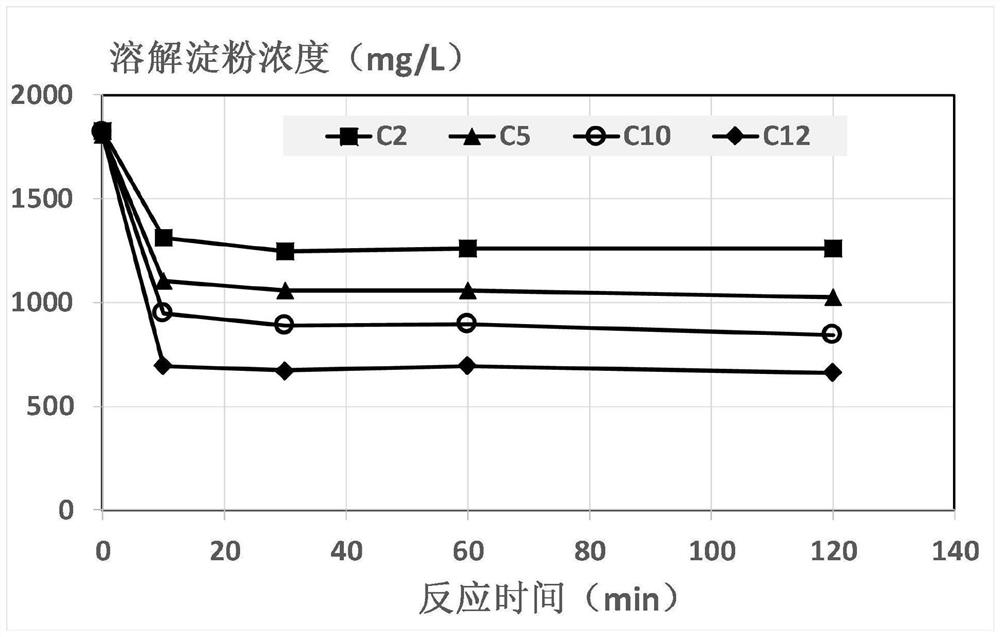
Figure 1 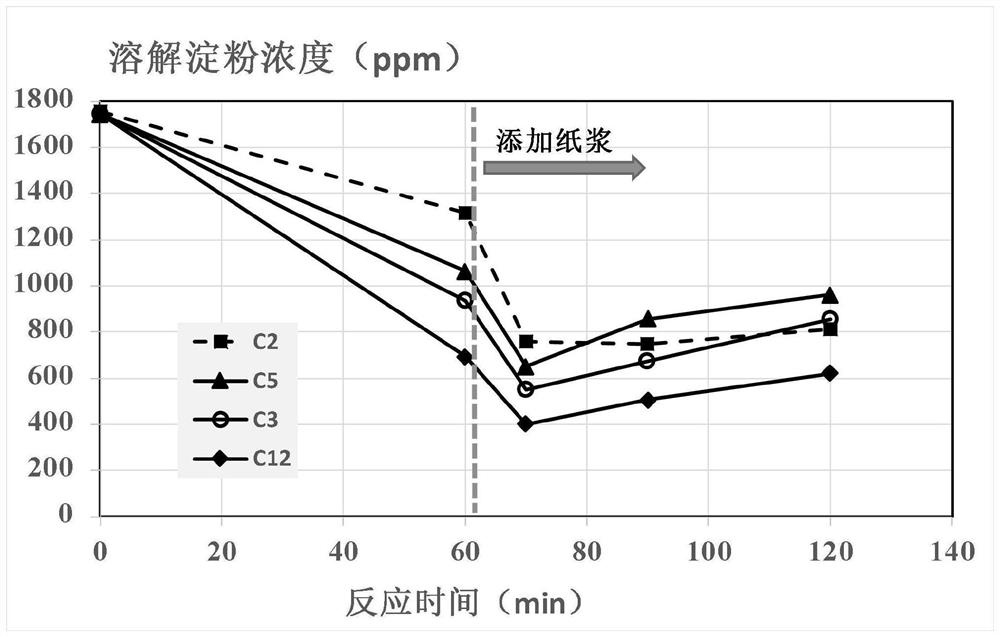
Figure 2 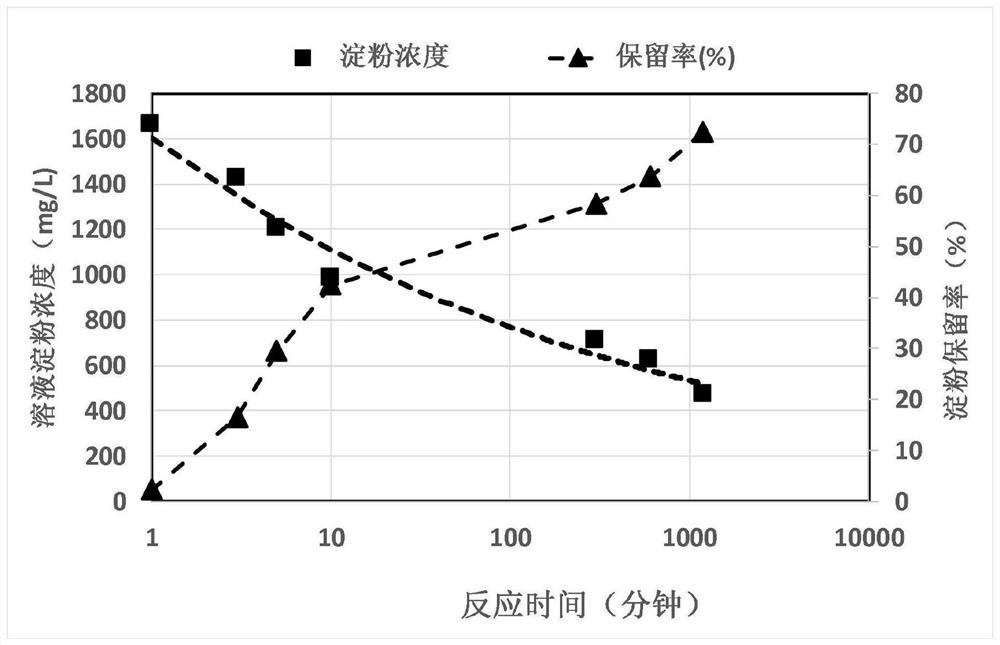
Figure 3
Abstract
Description
technical field
[0001] The invention relates to the technical field of papermaking, in particular to a papermaking method. Background technique
[0002] The entire production process of the pulp and paper industry, including from material preparation to paper making, chemical recycling, and paper processing, requires a large amount of water for conveying, washing, dispersing materials, and cooling equipment. Although there are recycling, treatment, and reuse in the production process, a large amount of waste water is still discharged into the water body, causing serious pollution to the water environment. Worldwide, paper industry wastewater is an important source of pollution. For example, Japan and the United States list paper industry wastewater as one of the six major public hazards and one of the five major public hazards.
[0003] At present, my country's paper industry wastewater discharge and COD discharge rank first in all types of industrial emissions in my countr...
Examples
Embodiment 1
[0340] Example 1 Effect of cationic starch binder cetylpyridine hydrochloride (number C7) on starch dissolution and fiber surface adsorption after reacting with starch
[0341] Experimental steps: (1) take cornstarch sample and prepare 7% "standard starch solution"; (2) take an appropriate amount of standard starch solution and add deionized water to dilute to the required concentration of starch solution; (3) take the prepared concentration Put 500mL of starch solution in a beaker, and put it into a 45°C constant temperature water bath, and equilibrate to the specified temperature; (4) Add C7 according to the required concentration, and react for 60 minutes to obtain a modified starch solution; (5) Sampling and centrifuging ( 4000x g) for 5 minutes, take the supernatant to test the starch concentration; (6) add bleached chemical pulp (BKP) to the remaining modified starch solution according to a solid concentration of 1%, and keep stirring for 10 minutes; (7) after the reactio...
Embodiment 2
[0348] The impact of embodiment 2 reaction time on starch binding reaction
[0349] Experimental steps of starch reaction: (1) take corn starch sample and prepare 7% "standard starch solution"; (2) take appropriate amount of standard starch solution and dilute it with deionized water to a starch concentration of about 1800mg / L (or other required concentration) (3) Take 500mL of the prepared starch solution or OCC white water, place it in a beaker, and put it into a 45°C constant temperature water bath, and equilibrate to the specified temperature; (4) Add 30mg / L starch binder as required, When the reaction reaches 1, 3, 5, 10, 30, 60, 90, 120, 300, 600 and 1200 minutes, the sample is centrifuged (4000x g) for 5 minutes, and the supernatant is taken to test the starch content and COD concentration;
[0350] The test procedure of starch adsorption reaction time: steps (1)-(4) are the same as above, (5) when the starch reaction reaches 60 minutes, add 3% chemical pulp (BKP) accor...
Embodiment 3
[0355] Embodiment 3 Reaction temperature is to the influence of starch binding reaction and the adsorption effect of modified starch
[0356] Experimental steps: (1) Take corn starch samples to prepare 7% "standard starch solution"; (2) Take an appropriate amount of standard starch solution and add deionized water to dilute to a starch concentration of about 600mg / L; (3) Take the prepared starch solution 500mL, placed in a beaker, and put into a constant temperature water bath with the required test temperature preset, and equilibrated to the specified temperature; (4) According to the requirements of the test, add 30mg / L cationic starch binder C7 and react for 60 minutes to obtain Modified starch solution; (5) sample centrifugation (4000x g) for 5 minutes, get the supernatant to test starch content and COD concentration; (6) add chemical pulp (BKP ) (Note: The amount of starch binder is equivalent to 1000g / T dry pulp), keep stirring; (7) React for 10 minutes, take the slurry ...