

Composite adsorption material applied to field of blood purification and preparation method of composite adsorption material
A technology of blood purification and adsorption materials, applied in chemical instruments and methods, blood circulation treatment, alkali metal compounds, etc., can solve the problems of patients with thrombus particles, increase the economic burden of patients, and the small amount of ligand coupling, etc., to achieve Good ball forming, improved safety, and stable performance
Patent Information
- Authority / Receiving Office
- CN · China
- Patent Type
- Applications(China)
- Current Assignee / Owner
- Publication Date
- 2021-05-07
Smart Images
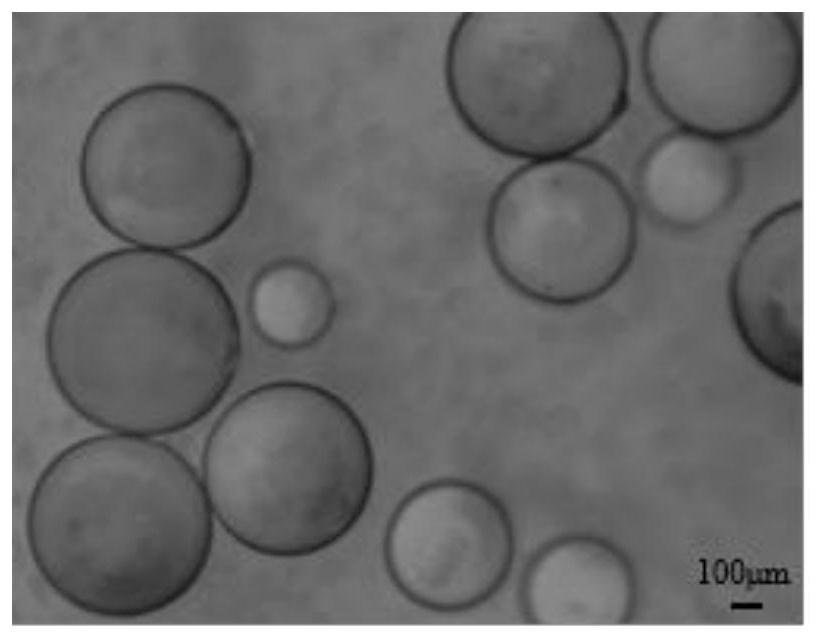
Figure 1 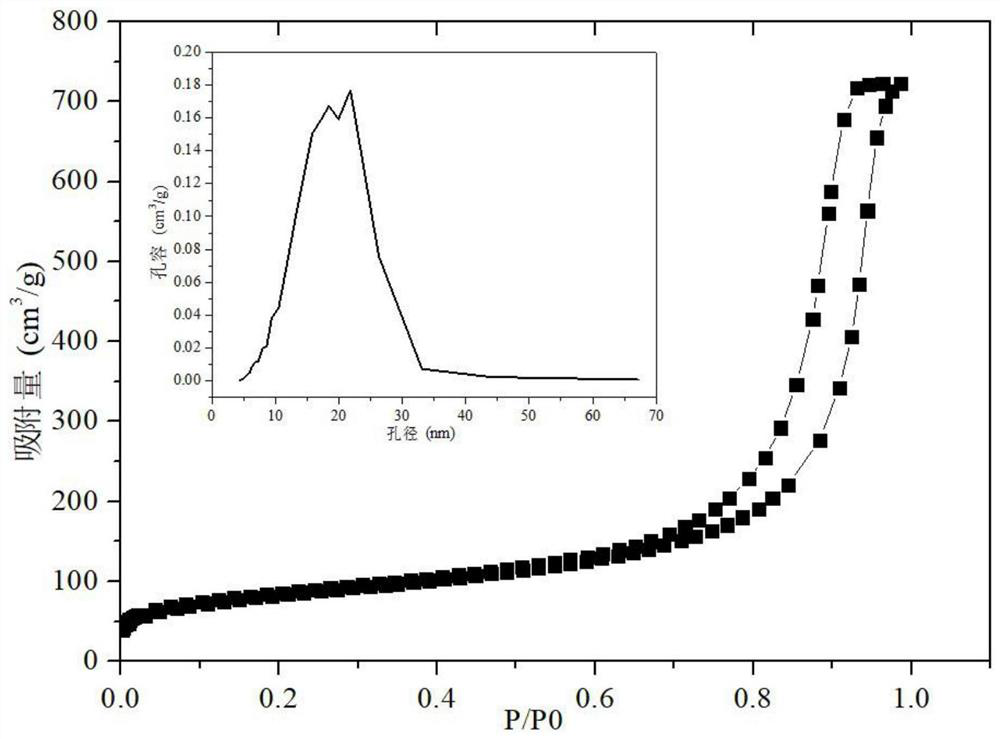
Figure 2 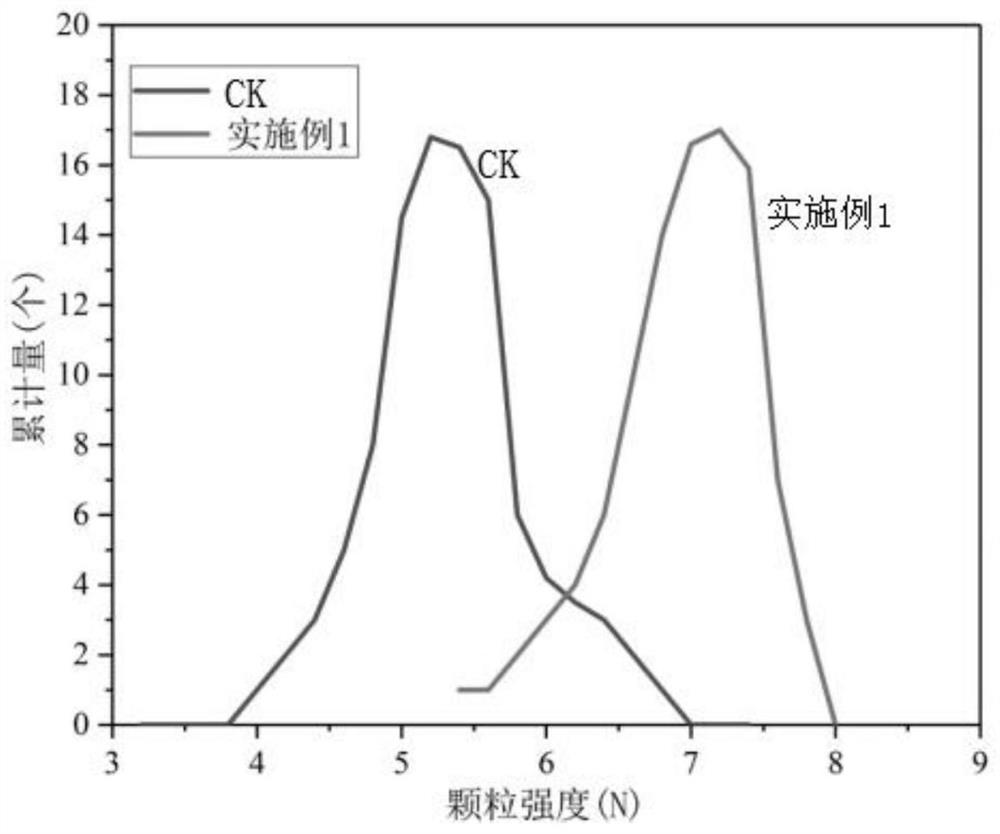
Figure 3
Abstract
Description
technical field
[0001] The invention relates to the technical field of materials used for blood purification, in particular to a composite adsorbent for blood perfusion / plasma adsorption and a preparation method thereof. Background technique
[0002] Endotoxin is a very strong inflammatory and pyrogenic substance, a trace amount can cause serious damage to human immune function, and can cause respiratory distress, organ failure, irreversible shock and even death, and its fatality rate is as high as 40%- 90%. Endotoxemia refers to a pathophysiological manifestation caused by the release of a large amount of endotoxin into the blood by bacteria in the blood or the bacteria in the lesion, or the infusion of a large amount of endotoxin-contaminated fluid. In addition, in the pathogenesis of endotoxemia, the role of a series of inflammatory factors produced by the body cannot be ignored. Inflammatory factors refer to various cytokines involved in inflammatory response, includin...
Examples
Embodiment 1
[0038] Example 1 Preparation of the adsorbent of the present invention
[0039] Ethyl orthosilicate, γ-aminopropyl triethoxysilane (KH550), absolute ethanol, hydrochloric acid and deionized water were added to the reaction kettle. In the reaction kettle, ethyl orthosilicate, γ-aminopropyl triethyl The molar ratio of oxysilane, absolute ethanol, hydrochloric acid and deionized water is 1,:2:4.5:0.1:2.5, stir at 70°C for 12h, and then distill under normal pressure to remove the solvent and unreacted monomers, etc. A polysiloxane is obtained. Weigh 1 g of hexadecyl trimethyl ammonium bromide (CTAB) and dissolve it in water, place it in a reaction flask with stirring and heat to 50°C, add 4.2 g of toluene to 35 g of polysiloxane, stir evenly, and stir at 150 rpm. It was added into the reaction flask at a high speed, and then 10 g of ammonia water was added to react for 15 h to obtain silicon-based carrier particles. After filtration, it was fully washed with deionized water and ...
Embodiment 2
[0043] Example 2 Preparation of the adsorbent of the present invention
[0044] Add methyl orthosilicate, γ-aminopropyltriethoxysilane, anhydrous methanol, hydrochloric acid and deionized water into the reaction kettle, and in the reaction kettle, methyl orthosilicate, γ-aminopropyltriethoxysilane , anhydrous methanol, hydrochloric acid and deionized water in a molar ratio of 1:2:4.5:0.1:2.5, stirring at 70 °C for 12 h, and then distilling off the solvent and unreacted monomers under normal pressure to obtain polysiloxane alkyl. Weigh 1 g of polyvinyl alcohol and dissolve it in water, place it in a reaction flask with stirring and heat to 40°C, add 4.2 g of cyclohexane to 35 g of polysiloxane, stir evenly, and add it to the reaction flask at a stirring speed of 150 rpm , and 5 g of ammonia water was added to react for 15 h to obtain silicon-based carrier particles. After filtration, it was fully washed with deionized water and anhydrous methanol, and then dried under vacuum ...
Embodiment 3
[0047] Example 3 Preparation of the adsorbent of the present invention
[0048] Add ethyl orthosilicate, γ-aminopropyl triethoxysilane, absolute ethanol, hydrochloric acid and deionized water into the reaction kettle, and in the reaction kettle, ethyl orthosilicate, γ-aminopropyl triethoxysilane , absolute ethanol, hydrochloric acid and deionized water in a molar ratio of 1:2:4.5:0.1:2.5, stirred at 70 °C for 12 h, and then distilled off the solvent and unreacted monomers under normal pressure to obtain polysiloxane alkyl. Weigh 1 g of Tween 20 and dissolve it in water, place it in a reaction flask with stirring and heat to 60°C, add 4.2 g of toluene to 35 g of polysiloxane and stir evenly, add it to the reaction flask at a stirring speed of 150 rpm, and then add it to the reaction flask. Silicon-based carrier particles were obtained after adding 10 g of ammonia water to react for 15 h. After filtration, it was fully washed with deionized water and absolute ethanol, and then...