A Dynamic Equivalence Method of DFIG Based on Equivalent Power Angle Coherence

A doubly-fed wind turbine, dynamic equivalent technology, applied in the field of value, can solve the problems of not reflecting inertia, large difference in dynamic characteristics, universal obstacles, etc., to achieve the effect of simplifying the external area and reducing the scale

CN108258725BActive Publication Date: 2020-06-19SOUTH CHINA UNIV OF TECH
3 Cites 0 Cited by

Patent Information

Authority / Receiving Office
CN · China
Patent Type
Patents(China)
Current Assignee / Owner
Publication Date
2020-06-19

Smart Images

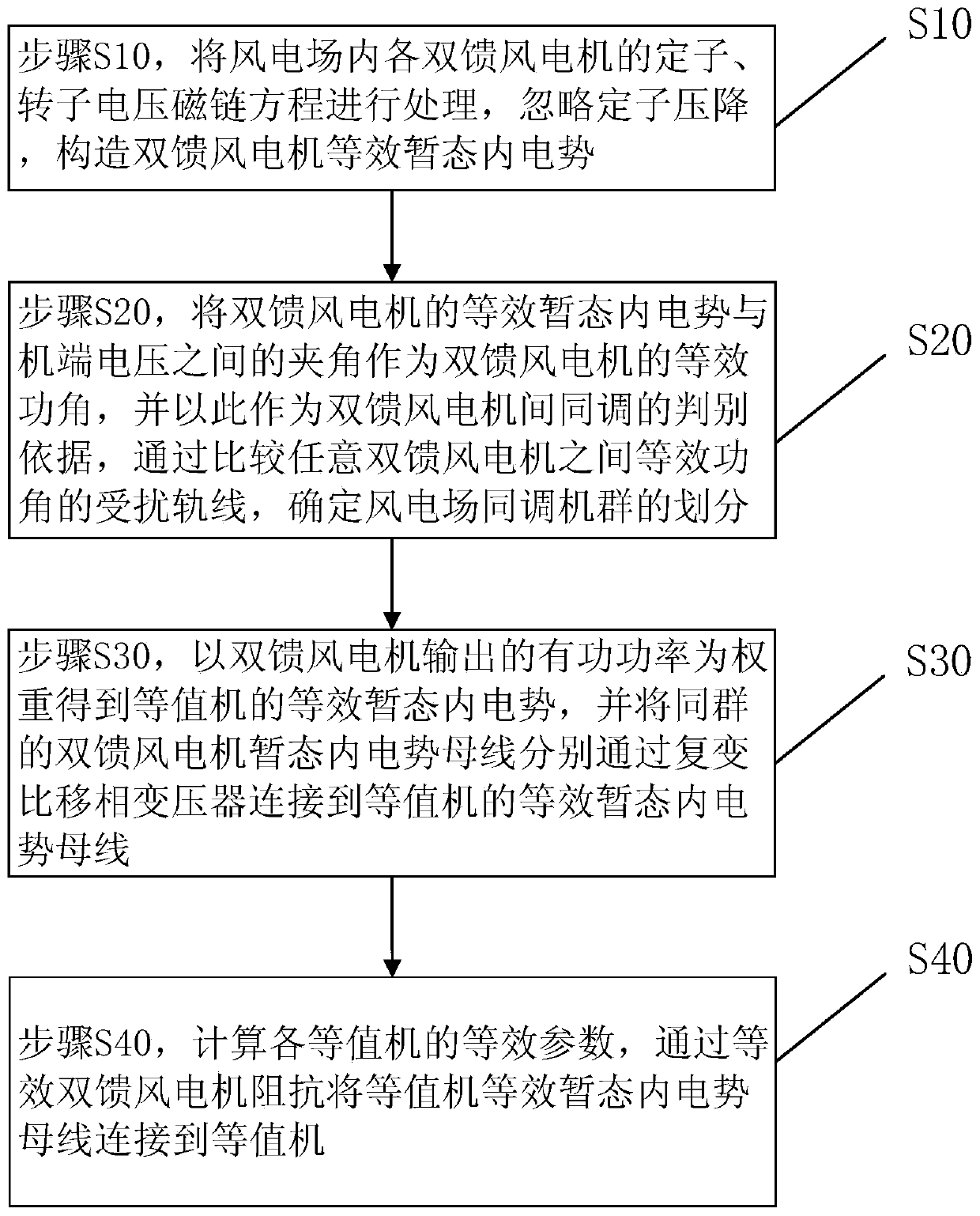
  • Figure 1
    Figure 1
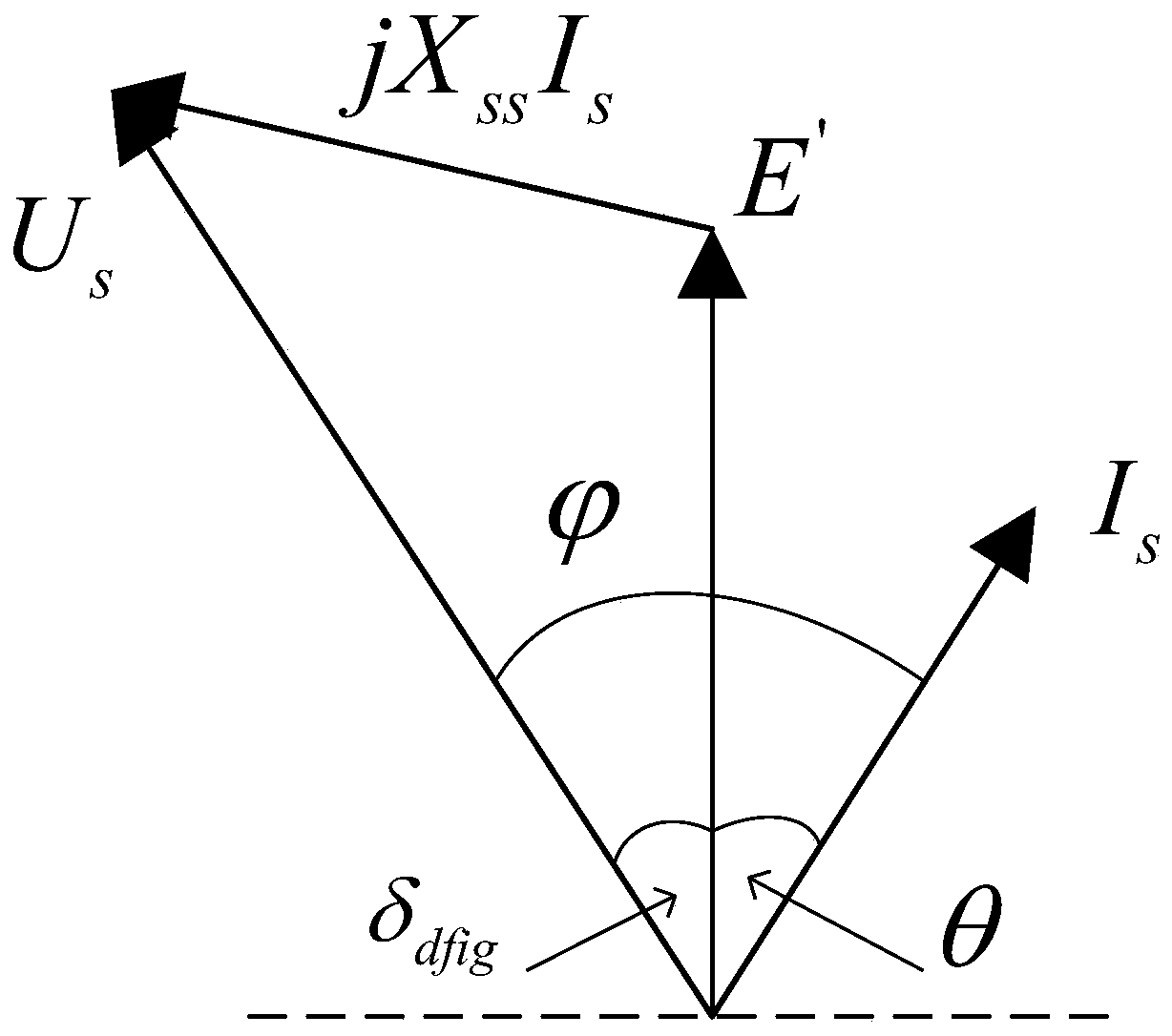
  • Figure 2
    Figure 2
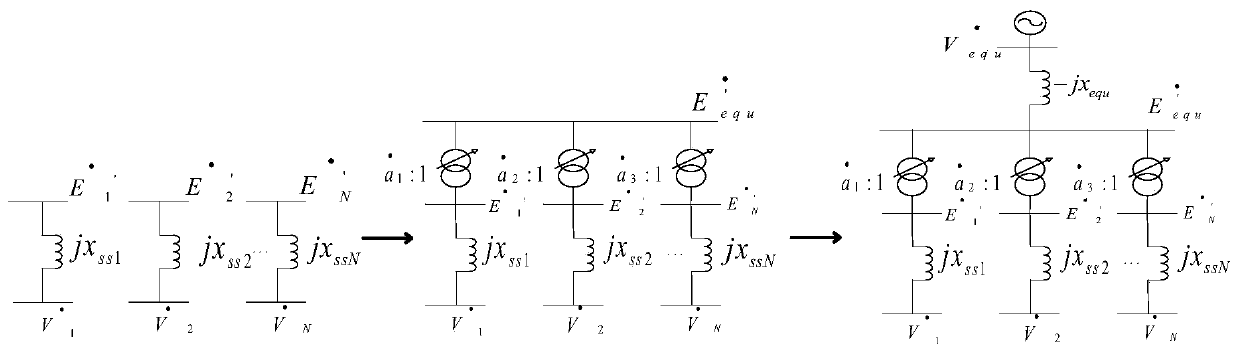
  • Figure 3
    Figure 3
Patent Text Reader

Abstract

The invention discloses a dynamic equivalence method for double-fed wind turbines on the basis of equivalent power angle co-modulation. The method comprises the following steps of 1, processing statorand rotor voltage flux linkage equations of all the double-fed wind turbines in a wind farm, ignoring stator voltage drop and constructing equivalent transient internal potentials of the double-fed wind turbines; 2, using the included angles between the equivalent transient internal potentials and terminal voltage as equivalent power angles of the double-fed wind turbines, using the equivalent power angles as determining criteria on co-modulation among the double-fed wind turbines, and comparing disturbed trajectories of the equivalent power angles between every two double-fed wind turbines to determine division of co-modulation units of the wind farm; 3, using active power output by the double-fed wind turbines as weights, obtaining equivalent transient internal potentials of equalizers,and connecting transient internal potential buses of the same group of double-fed wind turbines to equivalent transient internal potential buses of the equalizers through complex-ratio phase shiftingtransformers respectively; 4, calculating equivalent parameters of the equalizers, and connecting equivalent transient internal potential buses of the equalizers to the equalizers through equivalentdouble-fed wind turbine impedors.
Need to check novelty before this filing date? Find Prior Art

Description

technical field

[0001] The invention relates to the field of equivalent modeling of wind farms in new energy power generation technology, in particular to a dynamic equivalent method for double-fed wind generators based on equivalent power angle coherence. Background technique

[0002] With the rapid development of the modern power industry, large-scale AC and DC interconnected power systems have emerged, and the characteristics of multi-machines (thousands of machines) and large power grids (thousands of lines and thousands of busbars) have become more and more prominent, which makes the power system The calculation of planning, design and operation mode has become extremely cumbersome and complicated. On the one hand, it takes a lot of time and space to complete these calculations in detail. On the other hand, due to the limitation of simulation scale and hardware equipment, the above calculations are difficult to realize in practice. To this end, some reasonable simplifi...

Examples

Embodiment

[0042] This embodiment provides a dynamic equivalence method for DFIG based on equivalent power angle coherence, the flow chart of the method is as followsfigure 1 shown, including the following steps:

[0043] Step S10, process the stator and rotor voltage flux equations of each DFIG in the wind farm, ignore the stator voltage drop, and construct the equivalent transient internal potential of the DFIG; the specific process is:

[0044] A. Under the premise of ignoring the influence of magnetic saturation, the voltage and flux per unit value equations of the doubly-fed wind generator in the d-q synchronous rotating coordinate system are obtained as shown in equations (1) and (2):

[0045]

[0046]

[0047] Among them, u, i, and ψ respectively represent the voltage, current and flux linkage of the DFIG; R and L represent the resistance and inductance of the DFIG respectively; s and r in the subscript represent the stator of the DFIG respectively , rotor; d and q in the su...