Removal of contaminants from water using sugar based surfactant enhanced ultrafiltration

US20080308495A1Inactive Publication Date: 2008-12-18THE TRUSTEES OF COLUMBIA UNIV IN THE CITY OF NEW YORK
1 Cites 12 Cited by

Patent Information

Authority / Receiving Office
US · United States
Current Assignee / Owner
Publication Date
2008-12-18
Estimated Expiration
Not applicable · inactive patent

Smart Images

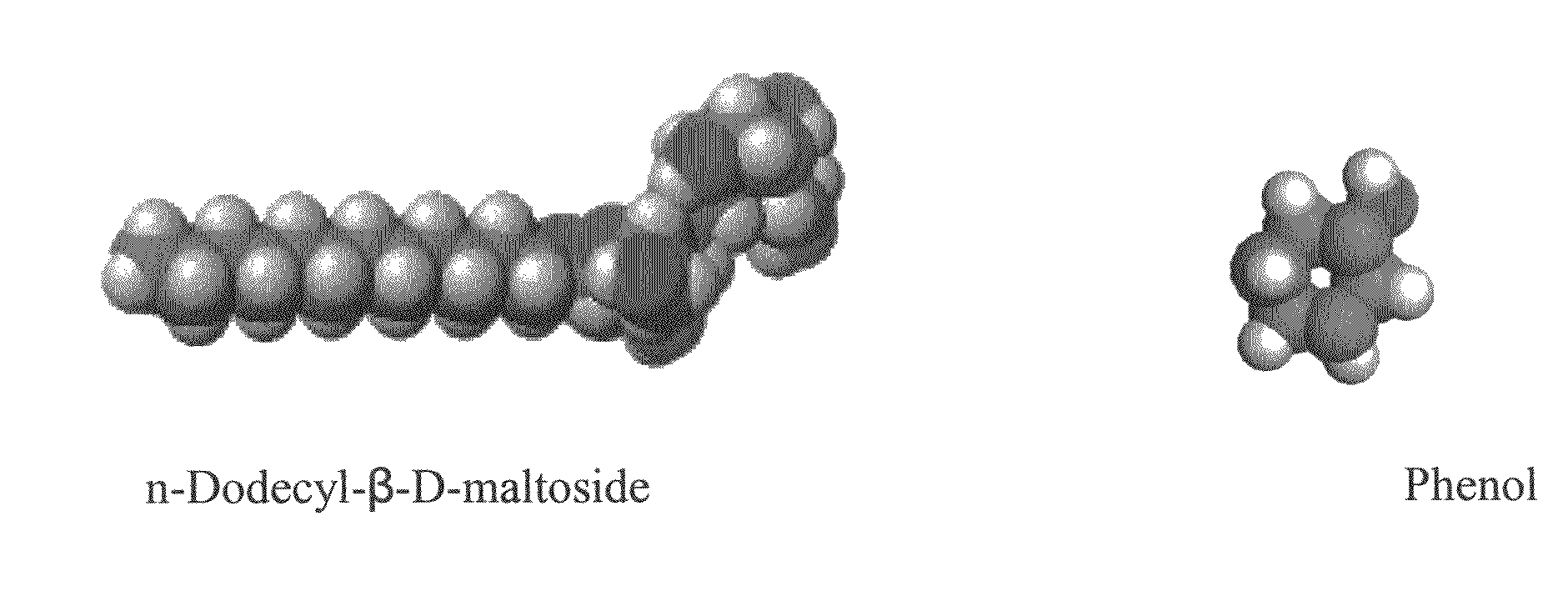
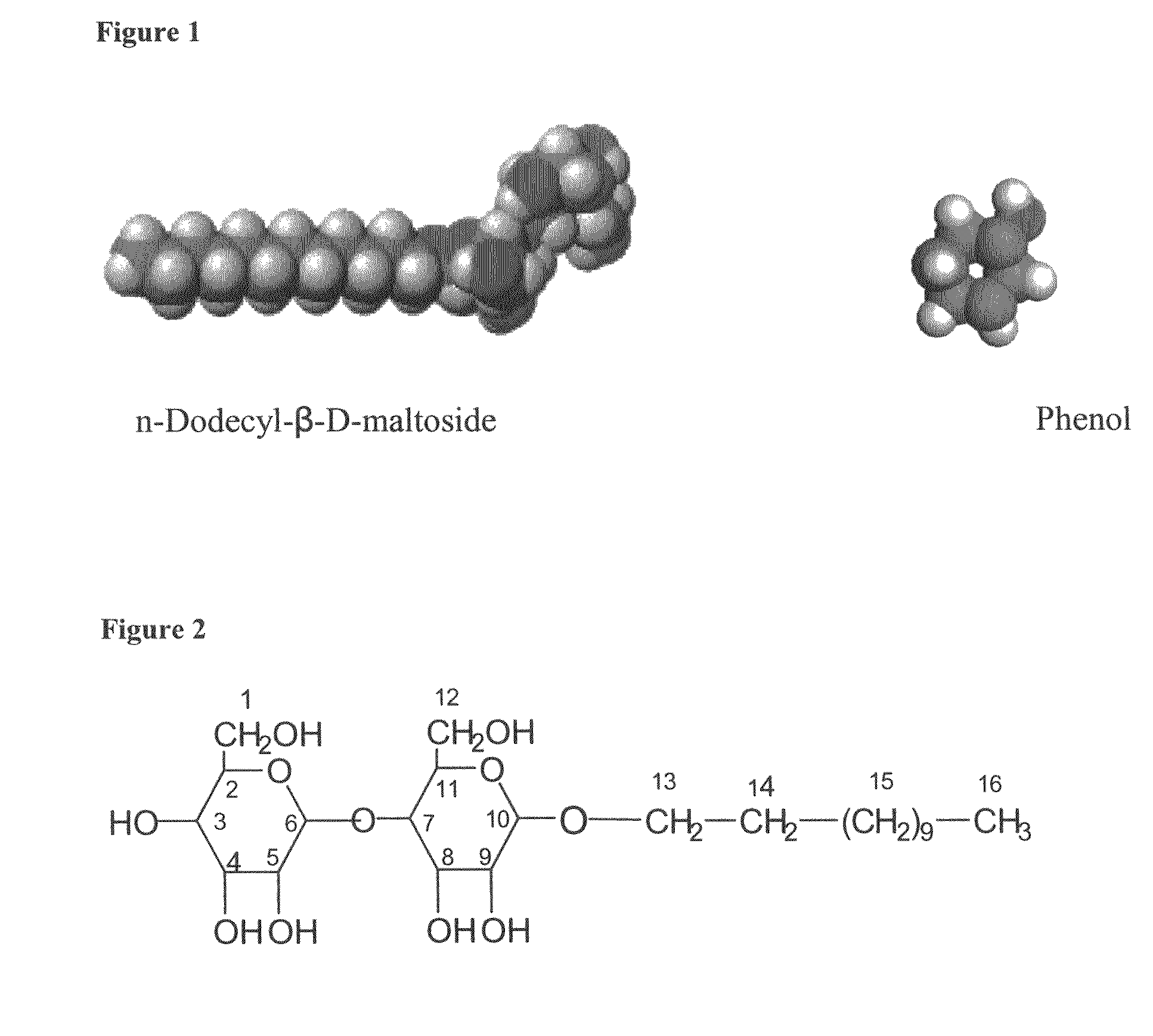
  • Figure 1
    Figure 1
  • Figure 2
    Figure 2
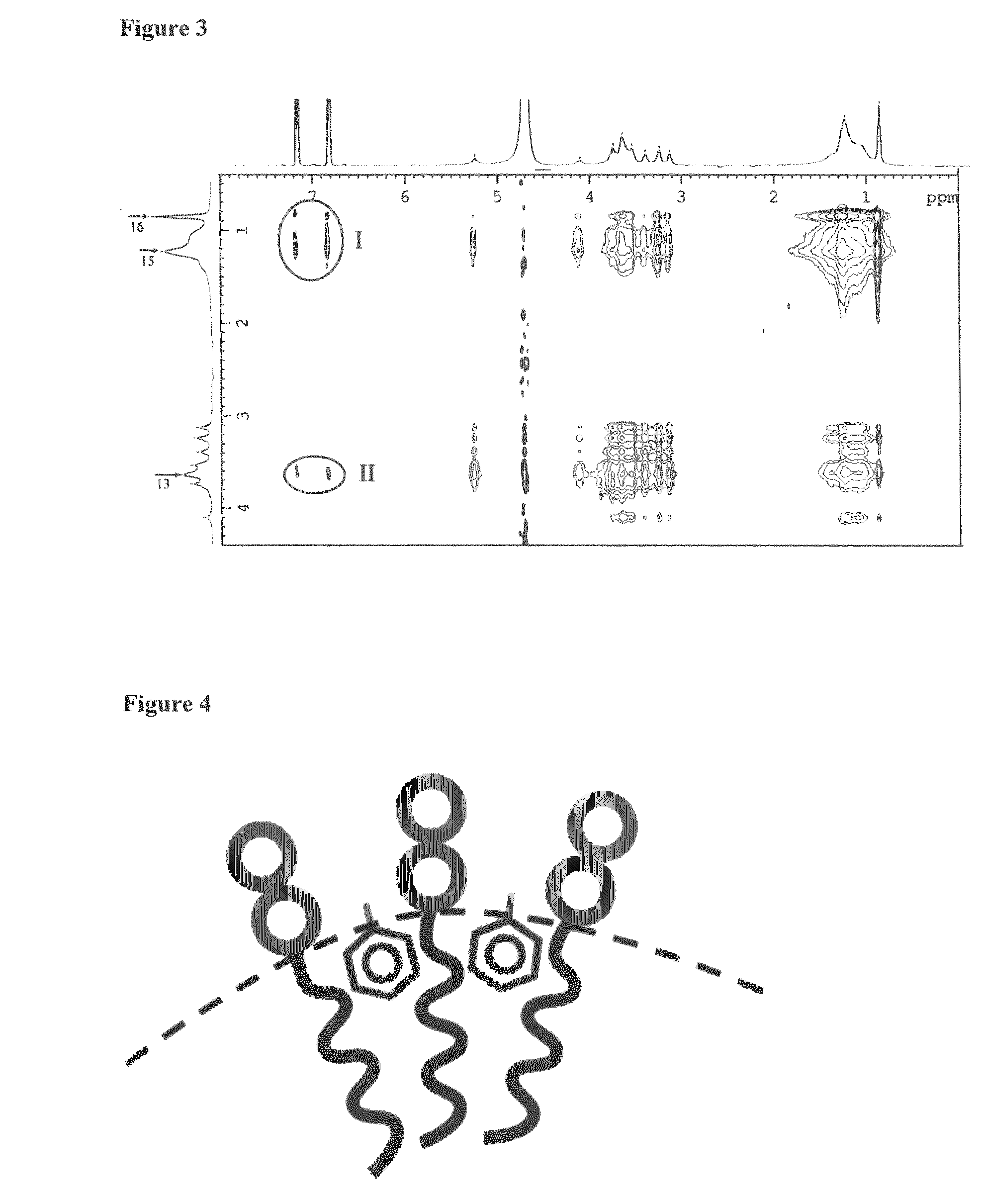
  • Figure 3
    Figure 3
Patent Text Reader

Abstract

Embodiments of the present invention relate to the removal of contaminants from water using sugar based surfactant enhanced ultrafiltration.Embodiments of the present invention are directed to a process for removal of an at least slightly water-soluble organic compound from an organic-contaminated water solution to provide a purified water solution, including: adding a surfactant to the organic-contaminated water solution in sufficient quantity to achieve at least a critical micellar concentration of the surfactant in the organic-contaminated water solution, wherein the surfactant comprises an alkylglycoside, to provide a micellar water solution comprising micelles comprising the surfactant and the organic compound; contacting an ultrafiltration membrane with the micellar water solution under pressure and temperature conditions sufficient for liquid flow through the ultrafiltration membrane to take place; and collecting liquid permeating the ultrafiltration membrane to provide the purified water solution.
Need to check novelty before this filing date? Find Prior Art

Description

PRIORITY OF INVENTION

[0001] This non-provisional application claims the benefit of priority under 35 U.S.C. § 119(e) to U.S. Provisional Patent Application Ser. No. 60 / 926,274, filed Apr. 26, 2007, which is herein incorporated by reference.BACKGROUND

[0002] The use of surfactants in micellar enhanced ultrafiltration (MEUF) has attracted considerable attention since Dunn et al1,2 first named the process and demonstrated the technique by recovering 4-tert-butylphenol from aqueous solutions. With the increase in public concern about environmental pollution and energy consumption, the classical separation techniques are becoming insufficient to meet strict environmental requirements. Since the toxic organic molecules that become associated with surfactant micelles have been found to be more effectively prevented from passing through the pores in membranes in the MEUF process (i.e., retained by the membrane) than the molecules not included in micelles, surfactants have been used effectively...

Examples

examples

Materials

[0096]Surfactant: n-dodecyl-β-D-maltoside (DM), 98% purity grade, was obtained from Calbio chem and used as received. The critical micellar concentration of DM measured by surface tension experiments is 0.18 mM. Phenol was purchased from Fisher science and used as received. The molecular structures are shown in FIG. 1 respectively. Water used in all the experiments was triple distilled.

Methods:

1) Ultrafiltration

[0097]Ultrafiltration was employed to separate surfactant and phenol monomers from surfactant micellar solutions. All ultrafiltration tests were done at room temperature (23±2° C.) using Amicon YM-3 membrane specified to exclude molecules with molecular weights greater than 3000 Da (daltons) with a diameter 44.5 mm. The filtration was carried out using an Amicon model 8050 filter at a 380-mmHg nitrogen pressure. Two ml of permeate was filtered from 20 ml sample solution for each test.

2) Chemical Analysis

[0098]Concentration of DM in permeate was determined by calorime...