
Blockchain architecture, system, method and device including a hybrid public-private iteration for facilitating secure data collection and controlled distribution using a decentralized transaction information platform and token ecosystem
- Summary
- Abstract
- Description
- Claims
- Application Information
AI Technical Summary
Benefits of technology
Problems solved by technology
Method used
Image

Examples
Embodiment Construction
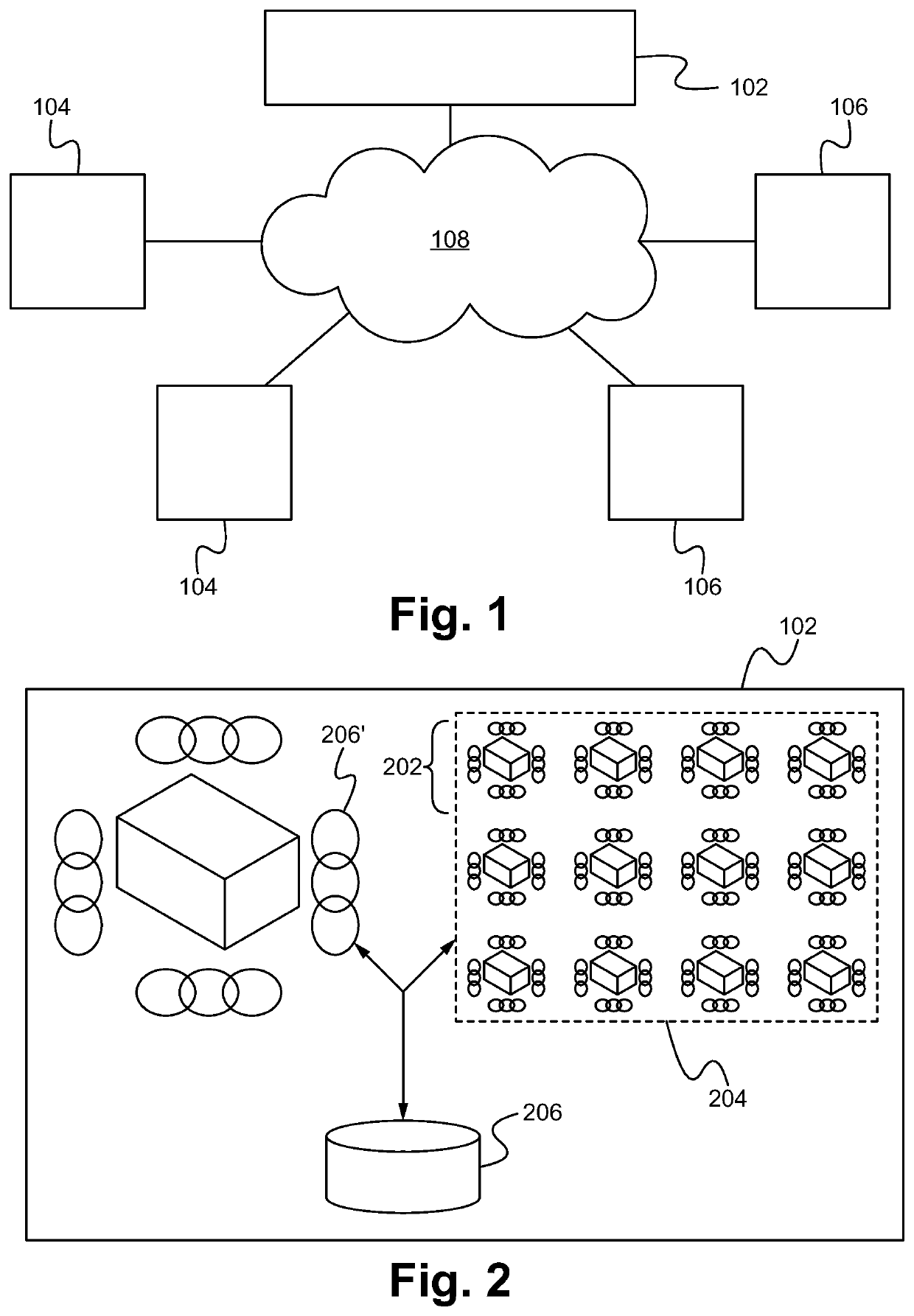
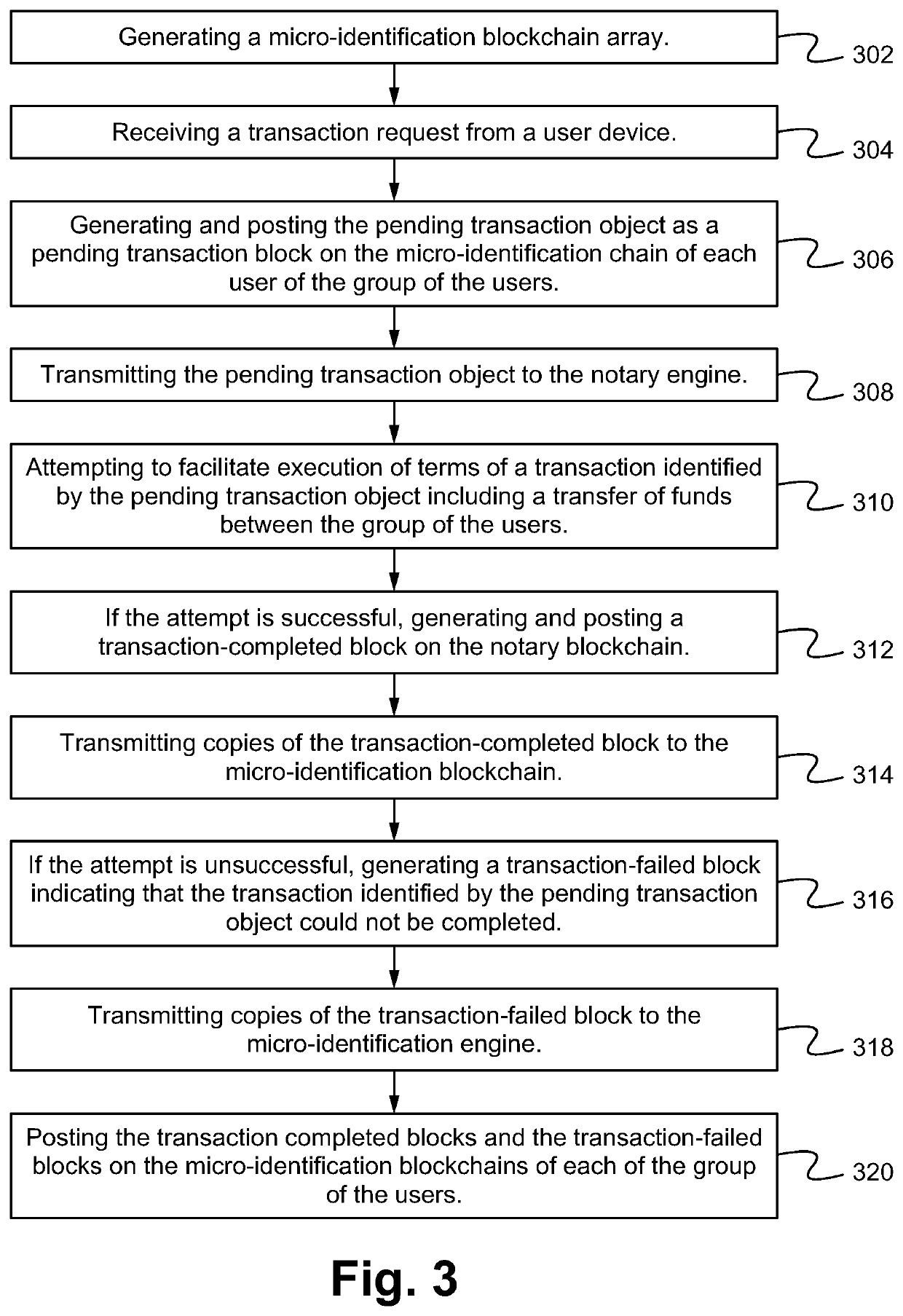
[0032]Embodiments are directed to a transaction platform including a notary distributed ledger or blockchain and one or more separate micro-identifier chains (MIDCs) that together enable the secure effectuation and recordation of one or more transactions while maintaining transaction party confidentiality and preventing chain poisoning. In some embodiments, the platform may be used for a private permissioned blockchain, or a hybrid public-private chain with a cryptocurrency component.
[0033]The notary distributed ledgers or blockchains are able to be a single transaction blockchain to store, maintain and provide information about the parties related to the transactions which the blockchain is able to utilize in order to securely and quickly validate, execute and record the transactions. The single transaction distributed blockchain is able to be a public or private blockchain (e.g. a distributed blockchain or database across a plurality of computing devices that each store copies of ...
PUM
 Login to View More
 Abstract
Description
Claims
Application Information
 Login to View More