
Method for crystallizing protein by using ion liquid
A technology of ionic liquid and crystallization method, which is applied in the field of protein crystallization to achieve the effect of high diffraction intensity, wide process conditions and good repeatability
Patent Information
- Authority / Receiving Office
- CN · China
- Patent Type
- Patents(China)
- Current Assignee / Owner
- Publication Date
- 2011-09-14
- Estimated Expiration
- Not applicable · inactive patent
Smart Images
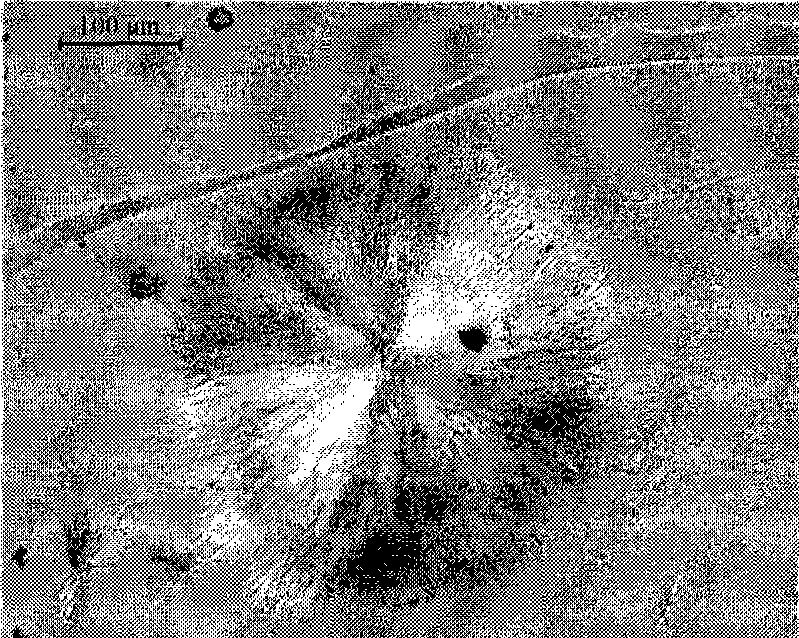
Figure 1 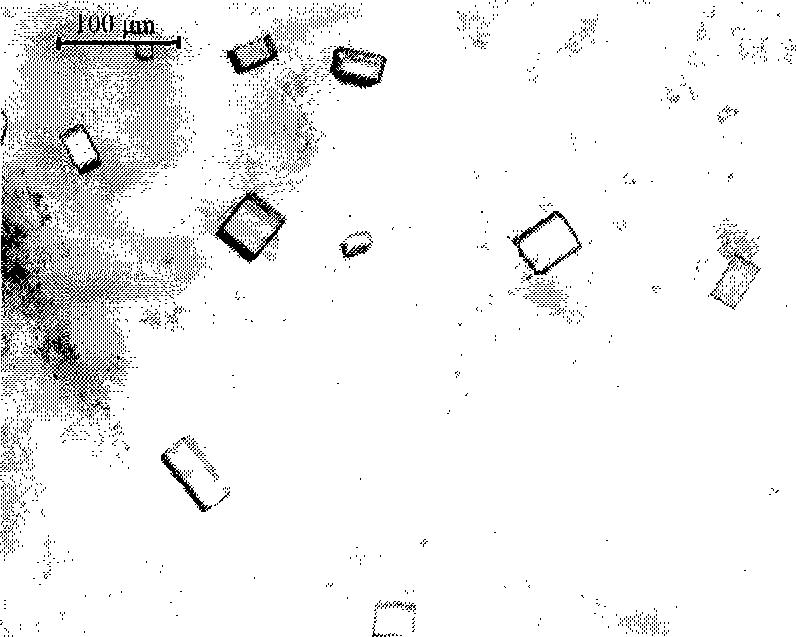
Figure 2 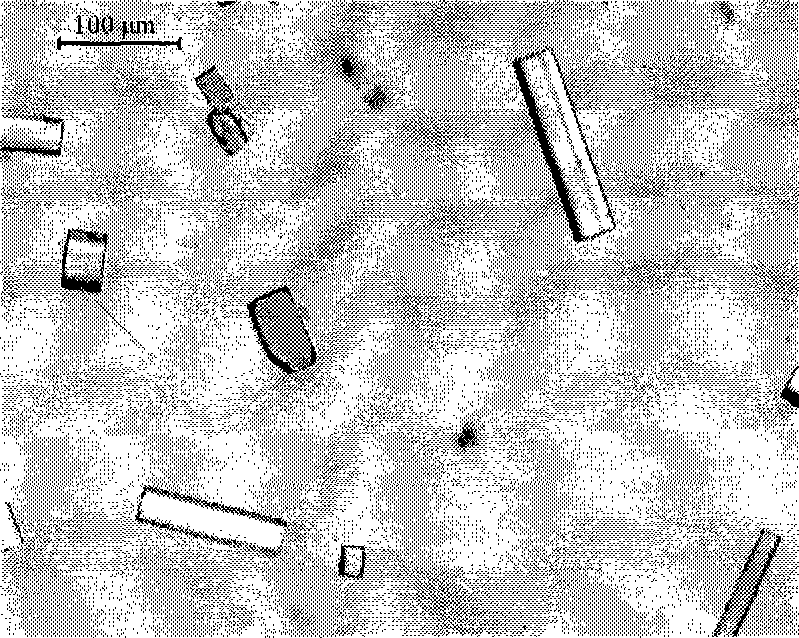
Figure 3
Abstract
Description
(1) Technical field
[0001] The present invention relates to a new method of protein crystallization, in particular to a new method of using ionic liquid for protein crystallization. (2) Background technology
[0002] In recent years, due to the wide application of biologically active substances in medicine, pharmacy, chemistry, agriculture and industry, it is particularly important to reveal the relationship between the structure and function of biological macromolecules by X-ray crystallography. Biomacromolecules in crystal form are relatively stable, and X-ray diffraction is the most reliable method to determine the three-dimensional structure of crystal molecules. A detailed understanding of the structure of biological macromolecules is of great significance for the design of new drugs, protein engineering, and changes in molecular structure or conformation. But generally speaking, the crystal cultivation of biomacromolecules is still exploratory and empirical, and to so...
Examples
Embodiment 1
[0026] Example 1: Prepare a lysozyme solution with a concentration of 10-50 mg / mL, and adjust the pH value of the acetic acid-sodium acetate buffer system to 4.4. Sodium chloride is used as the precipitating agent with a concentration of 3% (weight). The hanging drop crystallization method was adopted, and the hanging drop included 5 μl lysozyme solution, 2 μl butylmethylimidazole tetrafluoroborate and 12 μl buffer solution. In the pool liquid, butylmethylimidazole tetrafluoroborate and the buffer solution ratio are consistent with the hanging drop, and the concentration of sodium chloride is 15% (weight), and it is cultivated at room temperature to obtain block crystals such as figure 2 shown.
Embodiment 2
[0027] Embodiment 2: except that the pH value of the acetic acid-sodium acetate buffer system in embodiment 1 is changed to 4.6, other all prepare hanging drop and pool liquid according to the same steps, cultivate under the same conditions, the gained crystal is the same as figure 1 Compared to long blocky crystals such as image 3 shown.
Embodiment 3
[0028] Example 3: Except that the volumes of butylmethylimidazole tetrafluoroborate and buffer solution included in the hanging drop in Example 2 were changed to 5 μl and 9 μl respectively, the hanging drop and the pool solution were prepared according to the same steps and cultivated under the same conditions. The rod-shaped crystals obtained in the experiment are as Figure 4 shown.