
Functional foods/drinks containing antiallergic component
A food and beverage, functional technology, applied in the field of food and drink, can solve problems such as inability to provide products
Patent Information
- Authority / Receiving Office
- CN · China
- Patent Type
- Applications(China)
- Current Assignee / Owner
- Publication Date
- 2005-12-28
- Estimated Expiration
- Not applicable · inactive patent
Smart Images
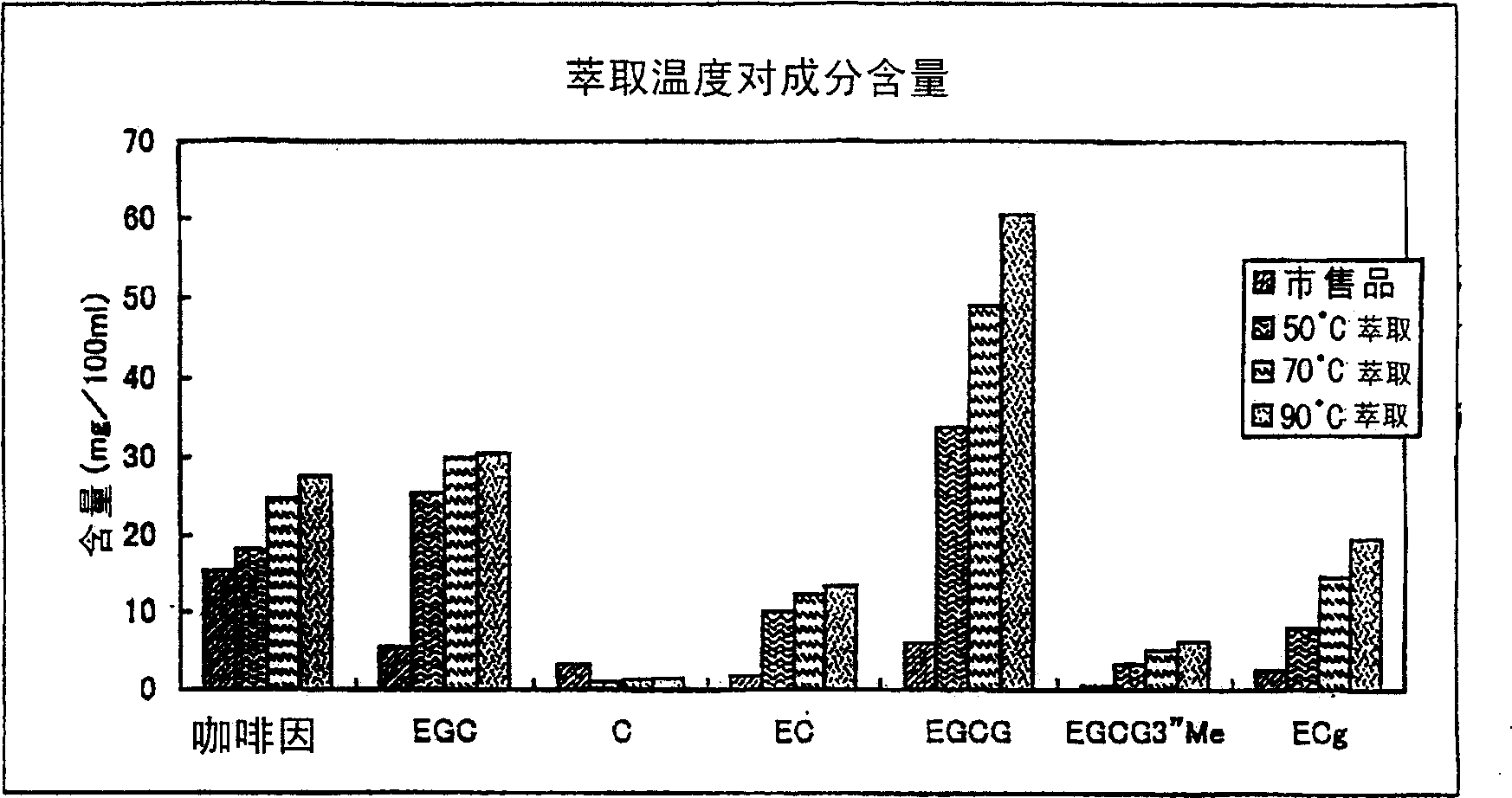
Figure 1 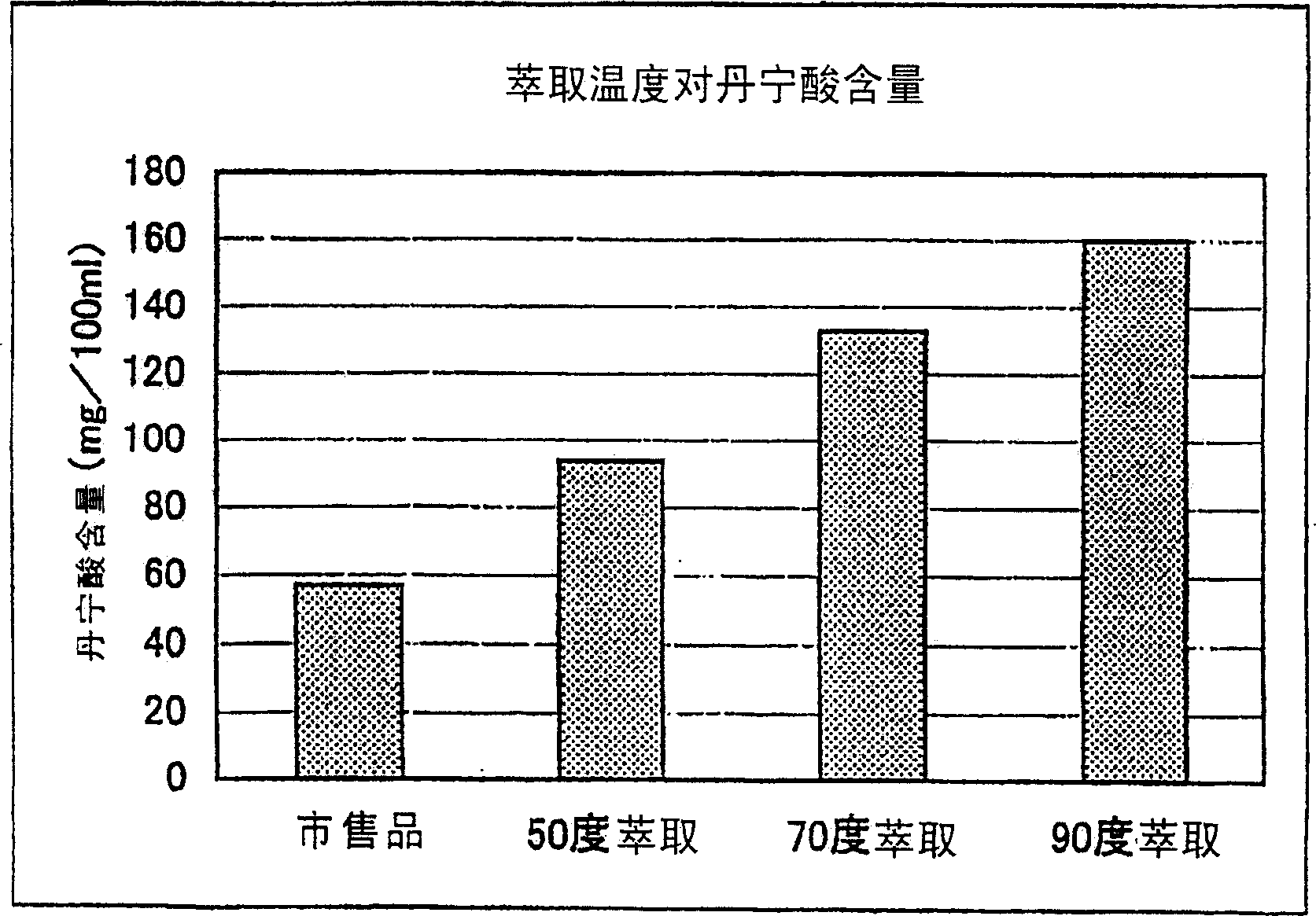
Figure 2 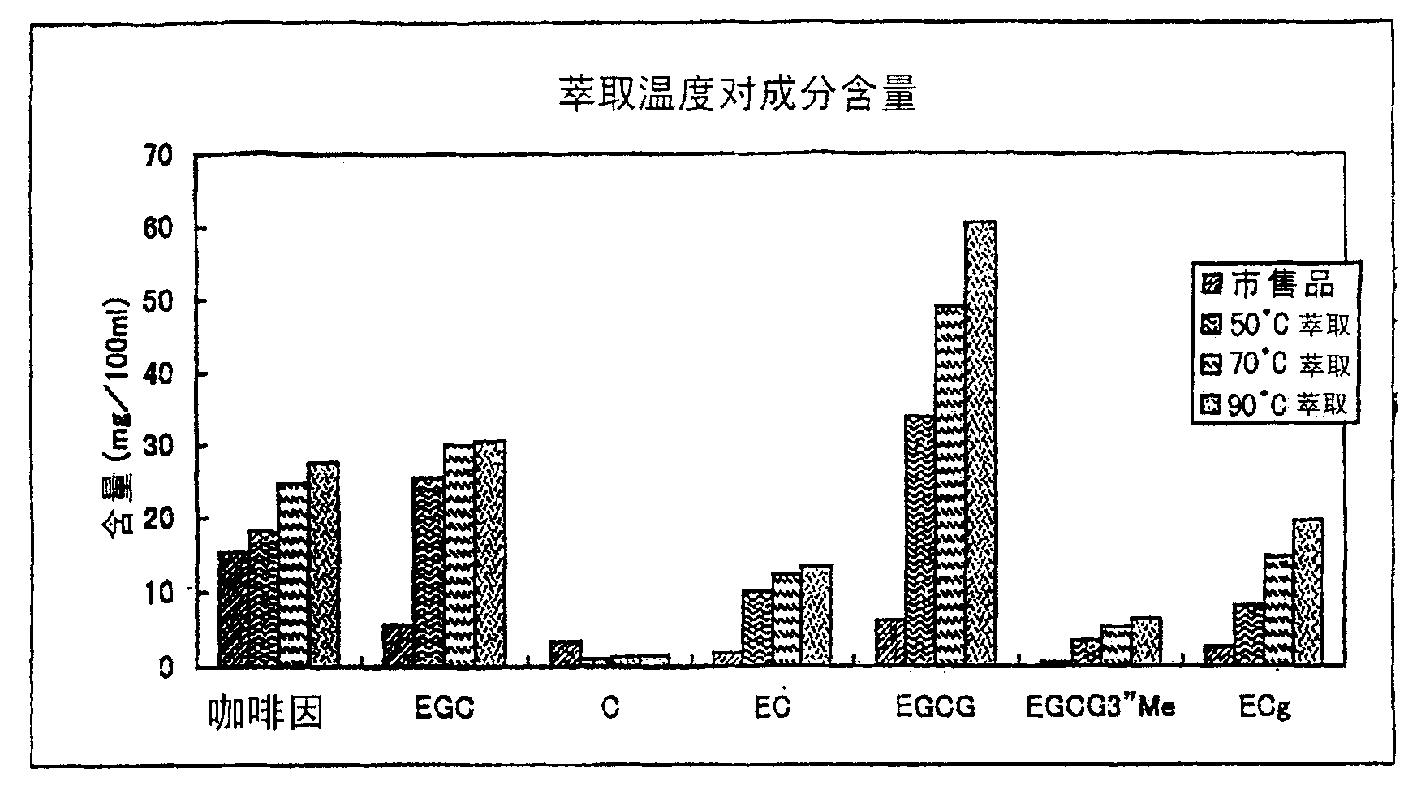
Figure 3
Abstract
Description
[0001] Cross-references to related applications
[0002] This application is based on a prior Japanese patent application (Patent No. 2002-271730, filing date September 18, 2002), and claims the priority of the prior application, the entire contents of which are incorporated herein by reference. technical field
[0003] The invention relates to a food and drink, in particular to a functional food and drink containing an effective amount of tea extract and having an antiallergic function. Background technique
[0004] Modern people pay more and more attention to personal health. For the purpose of maintaining health, they will actively take in healthy functional food, so as to open a way in the deadlock of environmental pollution and medical system. A large number of documents have reported the special effects of tea (green tea, fermented tea). Tea is a healthy functional food and beverage that has been widely utilized since ancient times. It is known that tea has antioxida...
Examples
Embodiment 1
[0036] "Benifuki" raw tea (picked on May 2, yield rate 34%, sun-dried and shrunk for 1 hour: provided by Wild Vegetable Tea Research Institute) 30 g as raw material, 30 times the amount of pure water for 3 temperature levels Extraction (50°C, 70°C, 90°C). The obtained extract was adjusted to 1 liter with pure water. These tea extracts were used for subsequent experiments.
[0037] The test for methylcatechin in the extract was done and the results evaluated by the basic analytical method. Caffeine and catechin were analyzed by HPLC, and tannin was analyzed by the ferric tartrate method. The standard product of catechin was purchased from Funakoshi Co., Ltd., and the standard product of EGCG3"Me was purchased from Nakahara Science Co., Ltd.
[0038] The expected EGCG3 "Me can be easily separated and assayed by common methods. In addition, its content is related to the extraction temperature. When the extraction temperature increases, the more the extraction amount, the highe...
Embodiment 2
[0046]"Benifuki" extract powder is made into hard candy. The extract powder contains 2.7% methylcatechin, so one piece of candy is designed to contain 3mg of methylcatechin. Thereby, the recovery rate of methyl catechin reached 104%, and there was no denaturation of methyl catechin in the process of preparing candy, and the strychnine was also stable. Plus, this delicious candy has almost no bitterness, making it perfect for every day.
Embodiment 3
[0048] 1-2 bags of tea bag containing 2 g of "Benifuki" were administered to 46 patients suffering from allergies every day. After 3 months, the allergic symptoms of 26 patients (78%), such as cough, nasal congestion, itching, etc., were improved. After 6 months, the IgE-RIST of 5 patients (23%) was found to be significantly reduced, and the number of eosinophils in 9 patients (43%) was confirmed to be significantly reduced. These all indicated that the patient's symptoms were improved, and no side effects were observed.