
Gm-csf cosmeceutical compositions and methods of use thereof
a technology of cosmeceutical compositions and gmcsf, which is applied in the field of cosmeceutical compositions, can solve the problems of retinol as an ingredient in cosmetics, severe limitations in the use of retinol, and rapid decline in functions, so as to promote collagen production, promote fibroblast proliferation and collagen production, and stimulate macrophage infiltration
Patent Information
- Authority / Receiving Office
- US · United States
- Patent Type
- Applications(United States)
- Current Assignee / Owner
- Publication Date
- 2009-07-30
Smart Images
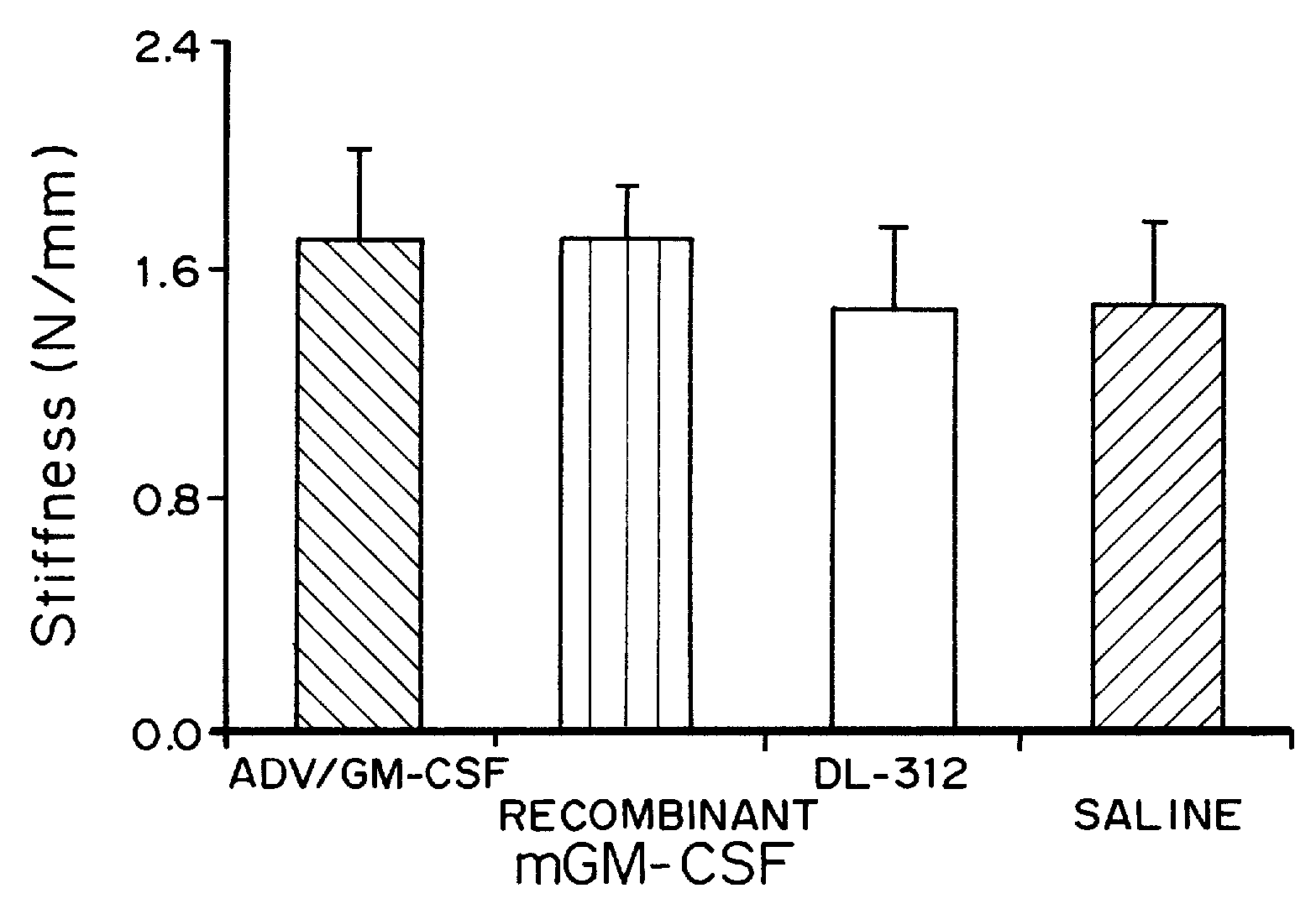
Figure 1 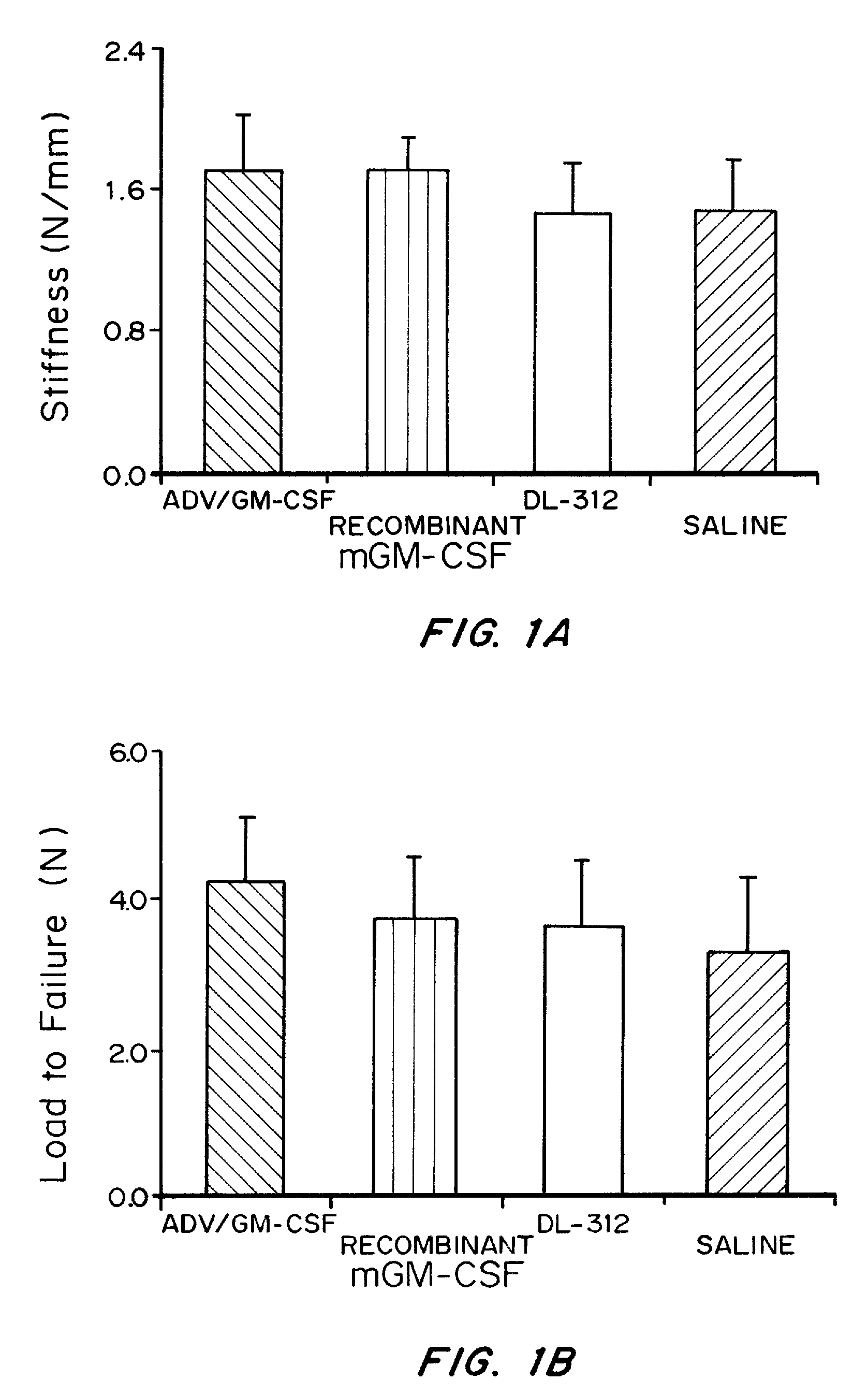
Figure 2 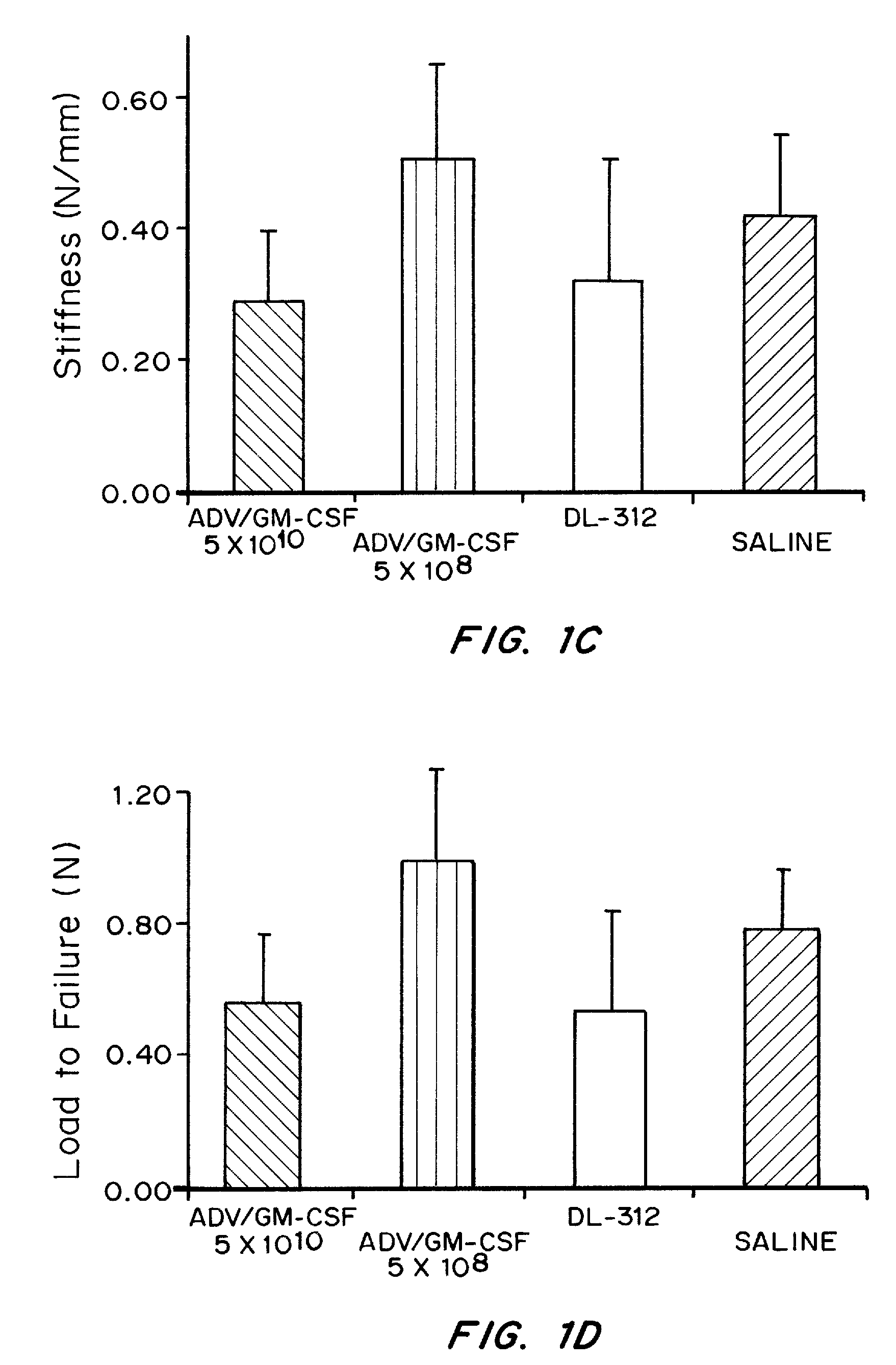
Figure 3
Abstract
Description
PRIORITY CLAIM
[0001] This application claims priority under 35 U.S.C. 119 to U.S. Ser. No. 60 / 895,911 “GM-CSF Wound Treatment Compositions and Methods of Use Thereof” filed Mar. 20, 2007 by Harold Brem.FIELD OF THE INVENTION
[0002] The present invention is generally in the field of cosmetic compositions containing granulocyte macrophage colony stimulating factor (GM-CSF) and a method of enhancing repair or regeneration of skin by stimulation of migration of keratinocytes and fibroblasts by administration of the cosmetic GM-CSF composition to the skin for a period of time effective to repair or regenerate skin.BACKGROUND OF THE INVENTION
[0003] Skin, which is the biggest organ of the human body, is composed of epidermis, dermis and subcutaneous fat. It performs various functions such as protection, barrier, temperature controlling, excretion and respiration. With the passage of time, however, those functions rapidly decline and a variety of changes occur to the skin. Physiological changes...
Examples
example 1
Replication-Deficient ADV-GFP-GM-CSF Vector Expresses Both the Green Fluorescent Protein (GFP) Marker and Recombinant Human GM-CSF In Vitro
[0121]A vector was constructed to deliver recombinant GM-CSF that also contained GFP as a marker protein that could be observed in cells by fluorescence microscopy without further staining.
[0122]Materials and Methods for Gene Therapy
[0123]The commercially available AdenoVecB system (InvivoGen, San Diego, Calif.), a bicistronic vector in which promoters from the human ferritin light and heavy chains (FerL and FerH) have been engineered to direct high-level constitutive expression of two genes, in this case, recombinant GM-CSF and GFP, respectively, in the same cells at comparable levels, was utilized. AdenoVecB is based on replication incompetent linearized (PacI) full-length adenovirus plasmids devoid of the early genes 1 and 3. This double gene expression strategy was used successfully by others for successful intradermal vaccination of mice to ...
example 2
Measuring Time to Closure in db / db Mice Treated with GM-CSF
[0131]Local sustained release of granulocyte macrophage stimulating factor (GM-CSF) using adenovirus vehicle was studied to determine if reversal of the wound healing impairment in type 1 and type 2 diabetic mouse model can be achieved. ADV / GM-CSF was intradermally administered on the dorsum of female BKS.Cg-m+ / +Leprdb mice and in non-obese diabetic (NOD) mice using full thickness incisional wound model.
[0132]Db / db mice are homozygous for the diabetes spontaneous mutation and as such are a good model of type 2 diabetes. There are three critical aspects of db / db mouse care: 1) monitoring glucose levels; 2) determining the time to onset of diabetes; and 3) providing a pathogen-free environment. In the mouse colony used, pancreatic insulin content decreases significantly at age 12 weeks in females and later in males. Although insulin-dependent diabetes may begin as early as 10 to 12 weeks of age, the time of initial onset peaks...
example 3
Effect of Human GM-CSF on Human Keratinocytes
[0188]Materials and Methods
[0189]Construction of the Virus Vector: The human cDNA for GM-CSF was cloned into a recombinant adenovirus vector. Human umbilical vein endothelial cells (HUVEC) were harvested from fresh umbilical cords, grown until confluency of a 100 mm plate and homogenized for the total RNA extraction. Total RNA was extracted with the RNeasy™ kit from Qiagen Inc. First strand cDNA was amplified from the RNA by RT-PCR with oligo-dT primers using the Superscript™ I1 RT PCR kit from Life Technologies. The product corresponding to the size of GM-CSF was gel-purified and cloned into pBluescript (Stratagene), using the HindIII and XbaI restriction sites.
[0190]The vector, as constructed, resulted in gene transfer, ascertained by transgene expression in target cells in culture. JC cells, a GM-CSF-negative murine breast cancer cell line which is easily transducible by adenovirus, were infected with virus of different plaques of ADV / ...