
Cultivating and producing method for haematococcus pluvialis
Haematococcus pluvialis, production method technology, applied in the direction of microorganism-based methods, biochemical equipment and methods, bulk chemical production, etc., can solve energy waste, cooling and heating, very demanding cultivation conditions, pluvialis red Problems such as the difficulty in cultivating algae can achieve the effects of saving energy, avoiding difficult temperature control, and not being prone to biological pollution
- Summary
- Abstract
- Description
- Claims
- Application Information
AI Technical Summary
Problems solved by technology
Method used
Image

Examples
Embodiment Construction
[0025] Method of the present invention is as follows:
[0026] 1. Cultivation environment
[0027] The culture container is a sealed tank with a volume of 10 cubic meters, and the material of the tank is glass reinforced plastic (FRP or GRP) or stainless steel, or enamel. The selection medium was GB11 medium. In the cultivation and production process, pipes or jackets are used to achieve heat preservation.
[0028] Reactor Sterilization: Reactors are sterilized by chemical or steam methods.
[0029] Sterilization of the medium: chemically sterilize the medium with hypochlorous acid or high temperature sterilization. After chemical sterilization, the medium is neutralized to pH 6.0-8.5, and the temperature of the medium is adjusted to below 28°C after sterilization.
[0030] 2. Inoculation and cultivation
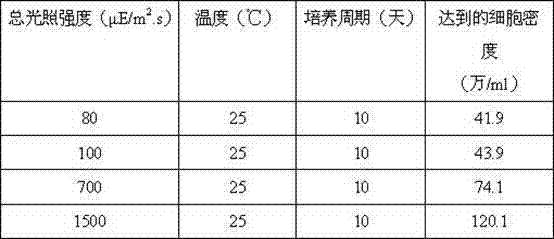
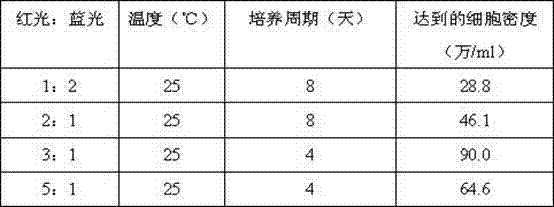
[0031] Inoculate the medium with green motile cells of Haematococcus pluvialis. The inoculation density is 60,000 / ml. Artificial LED light source was used for cultiva...
PUM
 Login to View More
 Abstract
Description
Claims
Application Information
 Login to View More