Testing method for microsatellite instability of blood ctDNA

A technology of instability and detection method, applied in the field of biological information, can solve problems such as large differences in ctDNA content, and achieve the effects of simple and convenient sampling, comprehensive and accurate detection, and cost reduction

CN109949862APending Publication Date: 2019-06-28GUANGZHOU TOPGENE TECH CO LTD
8 Cites 7 Cited by

Patent Information

Authority / Receiving Office
CN · China
Patent Type
Applications(China)
Current Assignee / Owner
Publication Date
2019-06-28

Smart Images

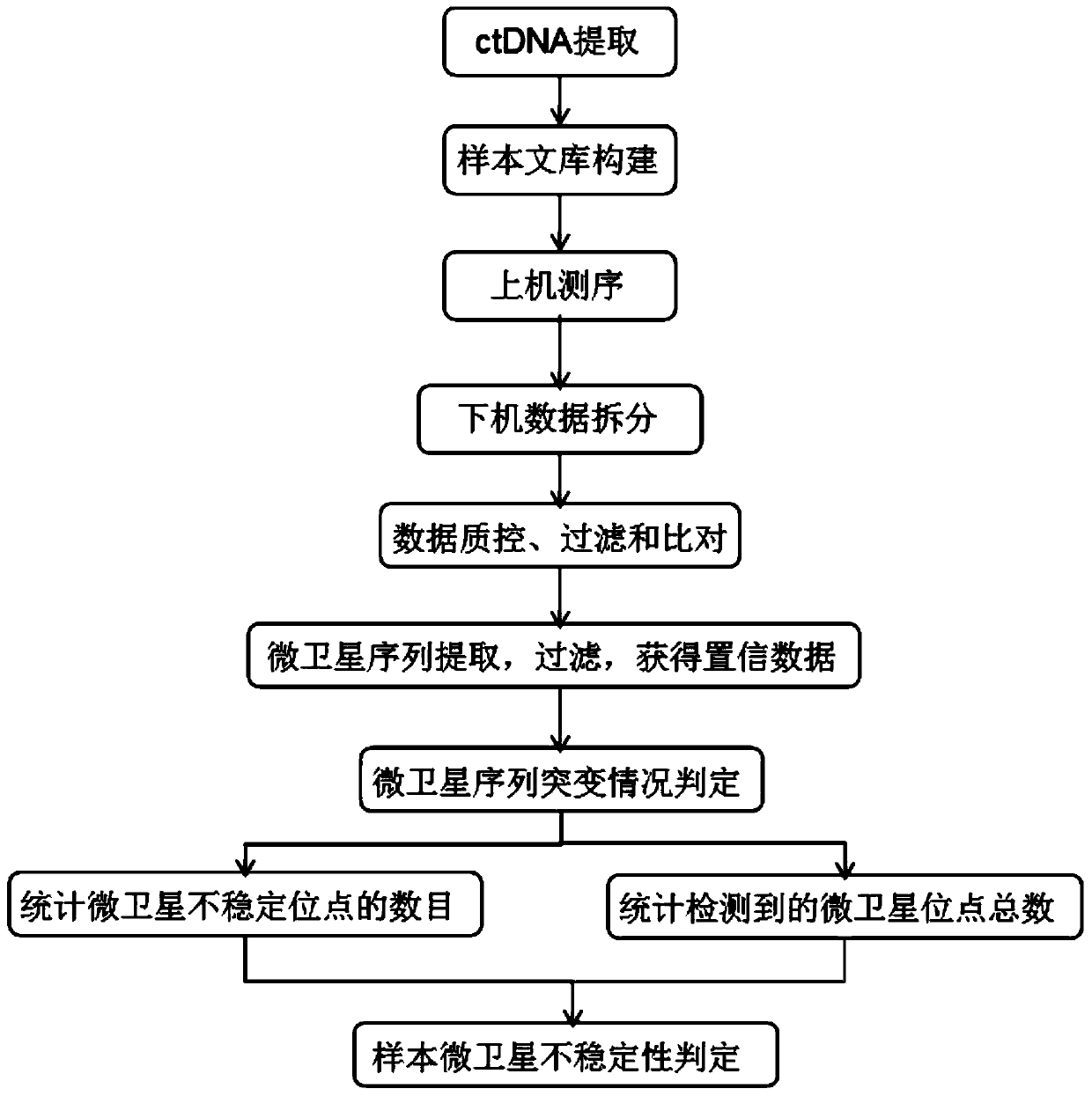
  • Figure 1
    Figure 1
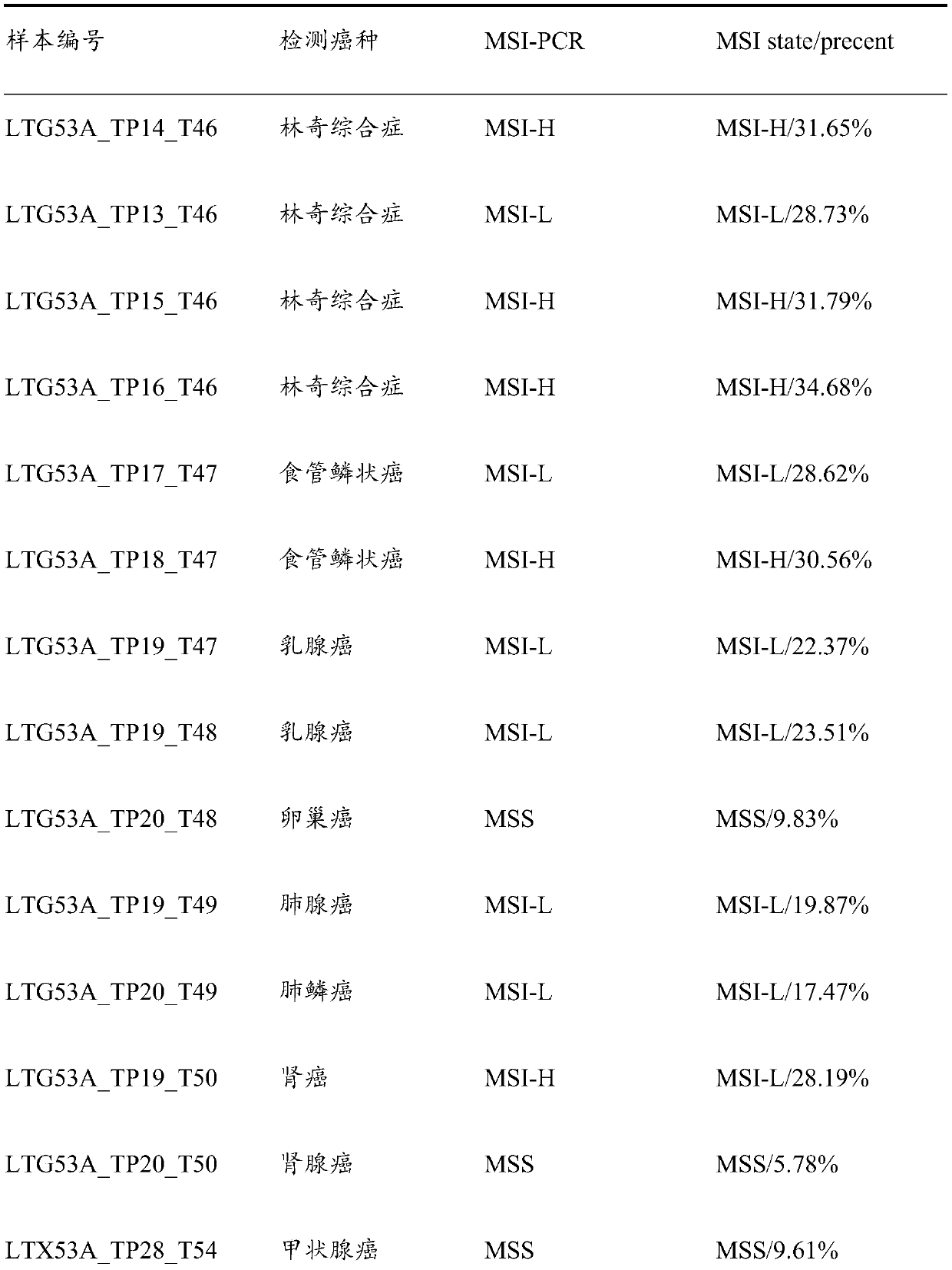
  • Figure 2
    Figure 2
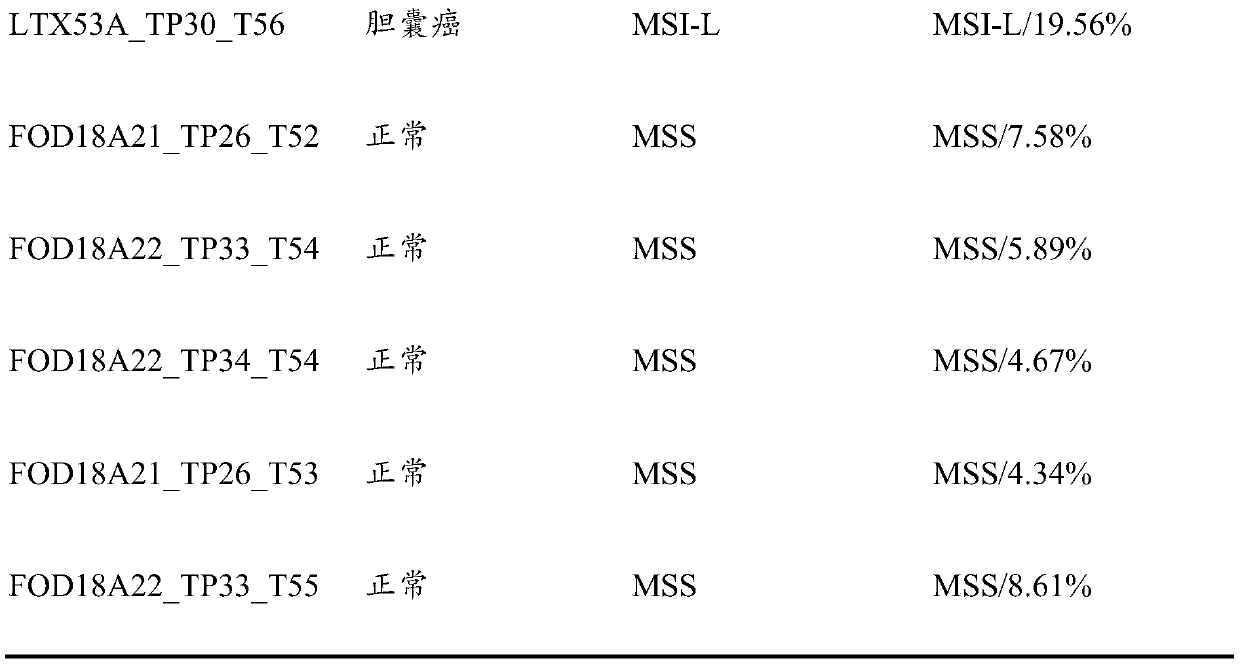
  • Figure 3
    Figure 3
Patent Text Reader

Abstract

The invention discloses a testing method for microsatellite instability of blood ctDNA. The method comprises the steps of performing probe capturing on the cfDNA which comprises ctDNA, and establishing a sequencing libray and PGM sequence according to an acquired target product; performing partitioning, quality controlling, filtering and comparing on generated data; then performing microsatelliteloci sequence extraction through a perl program, and comparing with a normal microsatellite sequence, detecting an abrupt change condition of the microsatellite loci and recording the abrupt change type, and finally evaluating the integral microsatellite stability state of the sample according to statistics of the stability of each microsatellite loci. The method can effectively and accurately test the microsatellite instability state of the sample and furthermore can test the abrupt change condition of the microsatellite instability loci. Compared with a traditional PCR testing method, the testing method according to the invention has advantages of higher speed, higher convenience, lower cost and more comprehensive testing.
Need to check novelty before this filing date? Find Prior Art

Description

technical field

[0001] The invention belongs to the technical field of biological information, and in particular relates to a method for detecting microsatellite instability of blood ctDNA. Background technique

[0002] Microsatellite sequences (Microsatellite, MS) or simple tandem repeats (Simple Sequence Repeat, SSR) widely exist in prokaryotic and eukaryotic genomes, and are composed of 10 to 50 repeating units consisting of 1 to 6 nucleotides in series. Highly polymorphic simple tandem sequences. Microsatellite instability (Microsatellite instability, MSI) is a phenotype of insertion or deletion of base pairs in the microsatellite region due to replication errors. Compared with DNA from normal tissues, DNA sequences with microsatellite instability show shifts in allelic bands, increase in band intensity, or acquire additional band patterns during electrophoresis. The main reason microsatellite instability occurs is likely to be due to abnormal function of pairing error...

Examples

Embodiment Construction

[0031] In order to demonstrate the technical solutions, objectives and advantages of the present invention more concisely and clearly, the present invention will be further described in detail below in conjunction with specific embodiments and accompanying drawings.

[0032] The present invention focuses on a bioinformatics method for detecting ultra-low frequency mutation sites of tumor patient blood ctDNA, which can detect the mutation of the microsatellite sequence from the peripheral blood of tumor patients, and judge the patient's microsatellite instability sex. This method has good universality, not only can be applied to all sequence data containing microsatellite loci, but also can be selectively applied to various gene detection technologies compatible with targeted sequencing. At the same time, the microsatellite instability of the sample was detected.

[0033] The data in this experiment came from tumor samples of 15 cancer patients and 5 normal human samples in 5 ...