
3D printing device and method
A technology of 3D printing and printing platform, applied in the direction of 3D object support structure, additive manufacturing, processing platform/substrate, etc., can solve the problems of model damage and reduce printing efficiency, so as to improve the success rate, increase the printing speed and the printing success rate , the effect of reducing the pulling force
- Summary
- Abstract
- Description
- Claims
- Application Information
AI Technical Summary
Problems solved by technology
Method used
Image

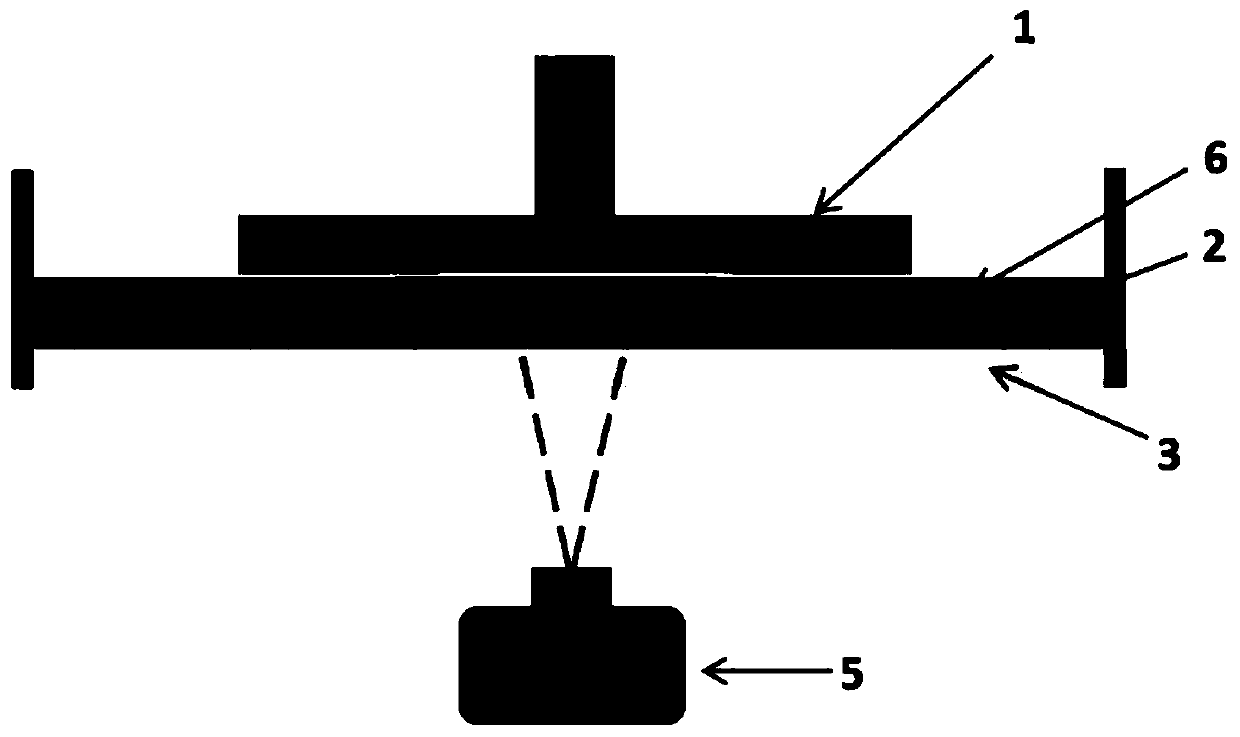
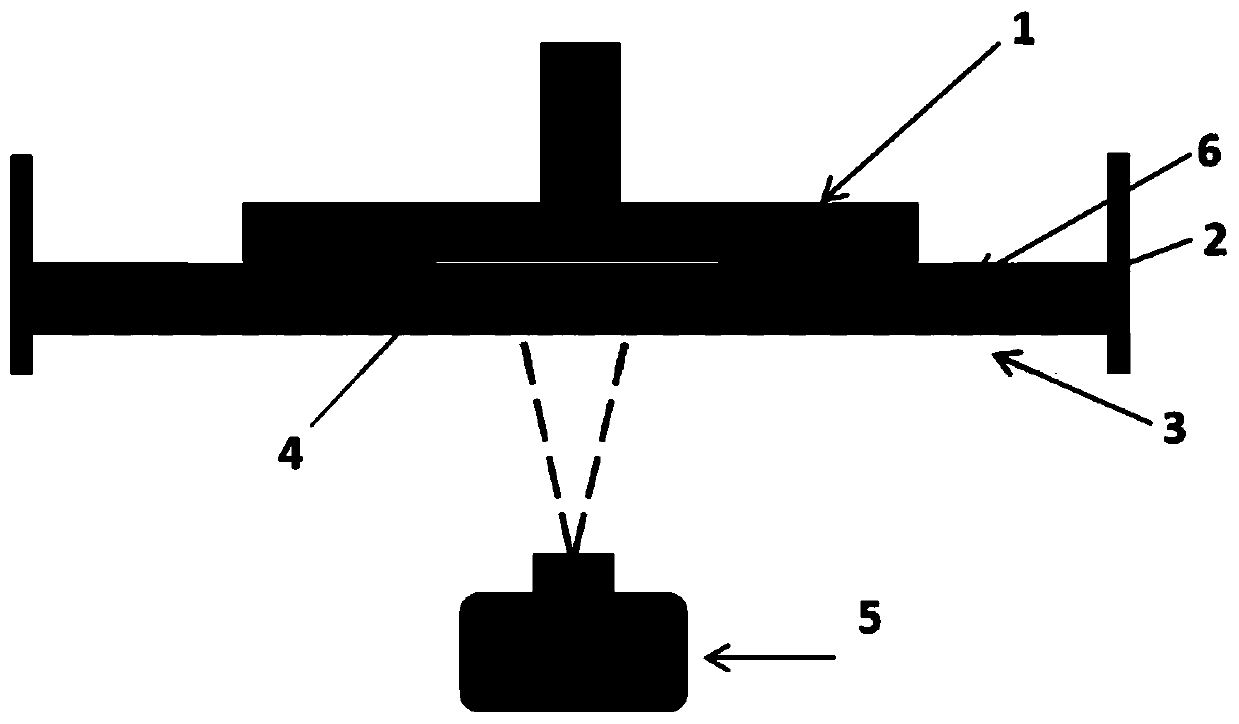
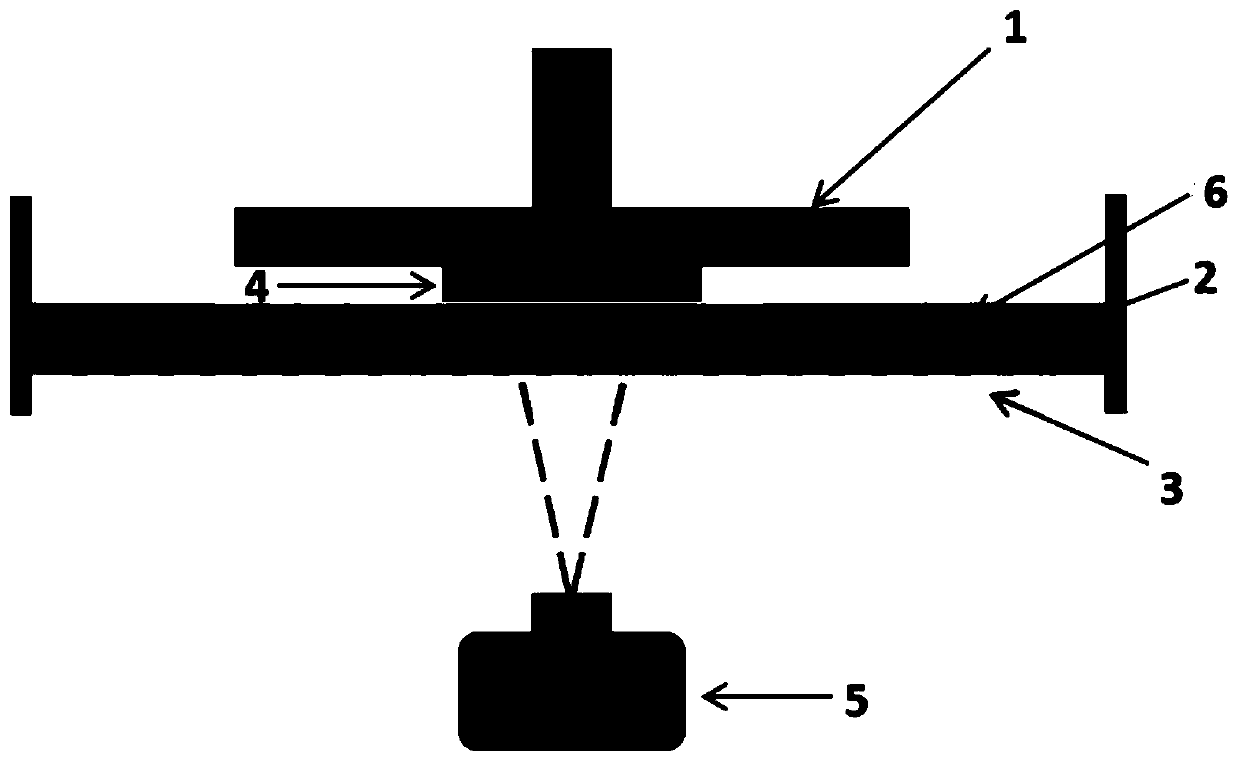
Examples
Embodiment 1
[0046] Tridefluorooctyl acrylate 10g
[0047] Perfluoropolyether diacrylate MD700 (Solvay) 0.1g
[0048] Fluorine Oil Krytox 100 90g
[0049] Initiator BPO 0.1g
[0050] The above proportioned mixed solution is poured on a 3 mm thick quartz glass plate, and kept in a 60-degree oven for 1 hour to form a fluorine-containing gel layer, and the thickness of the gel layer is 2 mm.
Embodiment 2
[0052] Tridecyl octyl acrylate 6g
[0053] Perfluoropolyether diacrylate MD700 (Solvay) 4g
[0054] Fluorine Oil Krytox 200 40g
[0055] Initiator BPO 0.1g
[0056] Pouring the above proportioned mixed solution in H 2 SO 4 -H 2 o 2 The treated 3mm quartz glass plate is kept in a 60-degree oven for 1 hour to form a hydrogel layer, and the thickness of the hydrogel layer is 1mm.
Embodiment 3
[0058] Polysiloxane acrylate (Mw=200) 10g
[0059] Polysiloxane diacrylate (1000mPa.s) 1g
[0060] Methyl silicone oil (100mPa.s) water 90g
[0061] AIBN (initiator) 0.1g
[0062] The above proportioned mixed solution was poured on a plasma-treated 3 mm acrylic plate, and kept in an 80-degree oven for 3 hours to form a gel layer with a thickness of 3 mm.
PUM
| Property | Measurement | Unit |
|---|---|---|
| thickness | aaaaa | aaaaa |
| thickness | aaaaa | aaaaa |
| thickness | aaaaa | aaaaa |
Abstract
Description
Claims
Application Information
 Login to View More