Thermal management coupling performance test system for pure electric passenger car

A test system, a pure electric technology, is applied in the direction of vehicle testing, mechanical component testing, machine/structural component testing, etc. It can solve problems such as high development risks, large differences in operating results, and test time lags. Compactness, low cost, and reduced footprint

CN113686587AActive Publication Date: 2021-11-23CATARC NEW ENERGY VEHICLE TEST CENT (TIANJIN) CO LTD
8 Cites 0 Cited by

Patent Information

Authority / Receiving Office
CN · China
Patent Type
Applications(China)
Current Assignee / Owner
Publication Date
2021-11-23

Smart Images

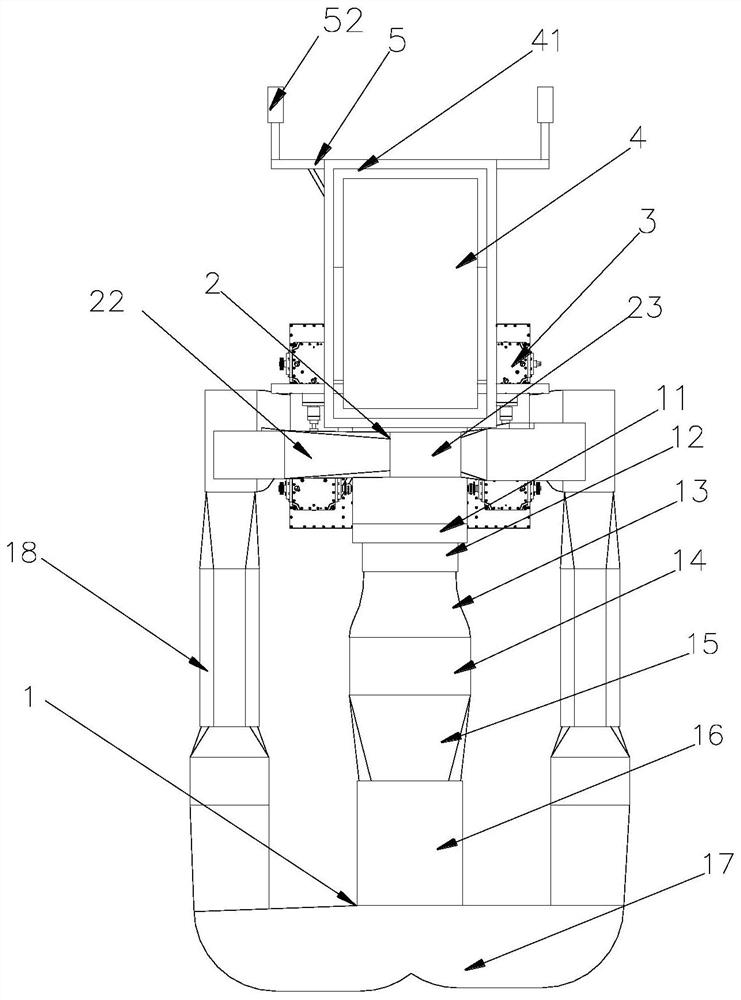
  • Figure 1
    Figure 1
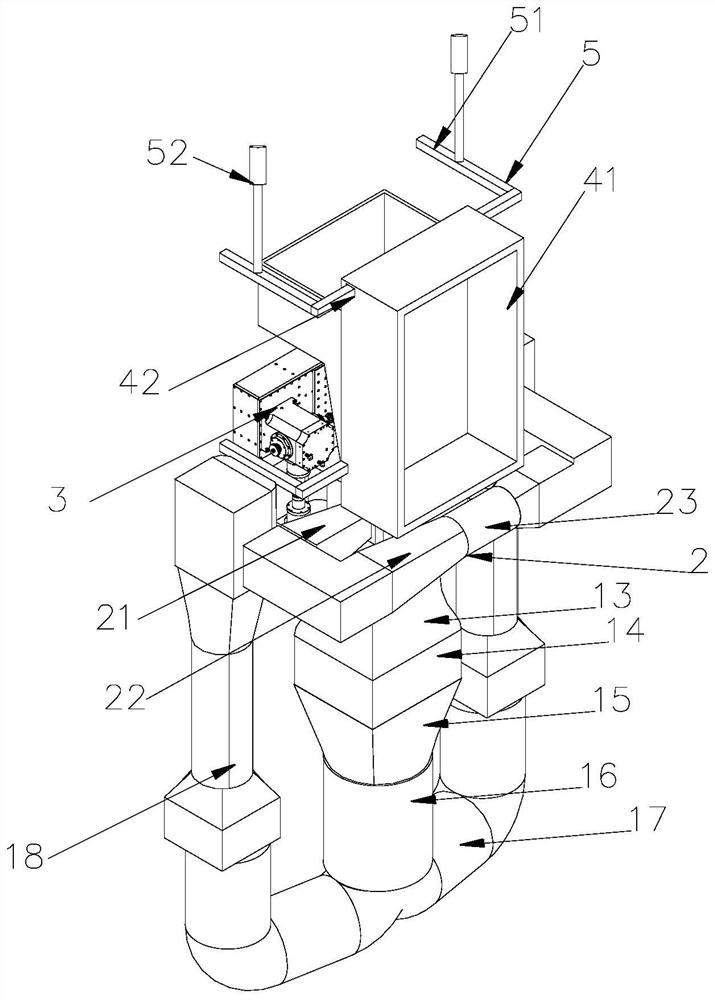
  • Figure 2
    Figure 2
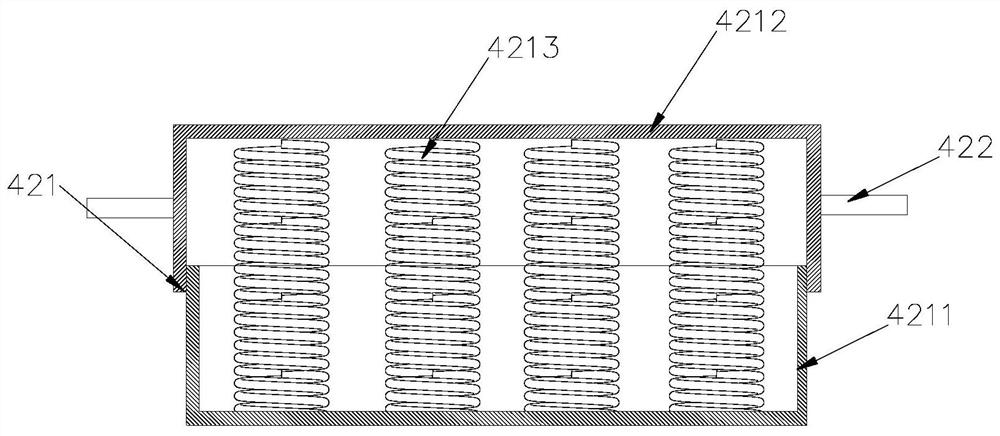
  • Figure 3
    Figure 3
Patent Text Reader

Abstract

The invention provides a thermal management coupling performance test system for a pure electric passenger car. The system comprises a first temperature control air duct, a second temperature control air duct, an electric drive test bench, a battery temperature control box, two adjusting supports, data acquisition subsystems and a main controller. The first temperature control air duct is provided with a cabin temperature control box body, and the cabin temperature control box body is fixed on the electric drive test bench. The top of the first temperature control air duct is fixedly sleeved with the second temperature control air duct. The battery temperature control box is arranged above the electric drive test bench. The data acquisition subsystems are arranged in the first temperature control air duct, the second temperature control air duct, the electric drive test bench and the battery temperature control box respectively. According to the thermal management coupling performance test system for a pure electric passenger car, the thermal management performance matching verification and strategy calibration test time can be advanced by more than half a year, the design problem of a thermal management system can be found earlier, and the research and development cost and risk can be reduced. Compared with a real vehicle test, the test platform is flexible in test and low in cost.
Need to check novelty before this filing date? Find Prior Art

Description

technical field

[0001] The invention belongs to the field of thermal management performance testing of automobiles, in particular to a thermal management coupling performance testing system for pure electric passenger vehicles. Background technique

[0002] With the deepening implementation of the "energy saving and emission reduction" policy, new energy vehicles are developing rapidly. It is estimated that by 2025, the global sales volume of new energy vehicles is expected to reach 15 million. According to the planning of new energy vehicle technology route 2.0, by 2035, new energy vehicles will account for more than 50% of total vehicle sales, and pure electric vehicles will account for more than 95% of new energy vehicles. Pure electric vehicles will gradually become mainstream products. At present, the three main factors affecting the promotion and application of electric vehicles are mileage anxiety, safety anxiety and charging time. The thermal management system is th...

Examples

Embodiment Construction

[0033] It should be noted that, in the case of no conflict, the embodiments of the present invention and the features in the embodiments can be combined with each other.

[0034] In describing the present invention, it should be understood that the terms "center", "longitudinal", "transverse", "upper", "lower", "front", "rear", "left", "right", " The orientations or positional relationships indicated by "vertical", "horizontal", "top", "bottom", "inner" and "outer" are based on the orientations or positional relationships shown in the drawings, and are only for the convenience of describing the present invention and Simplified descriptions, rather than indicating or implying that the device or element referred to must have a particular orientation, be constructed and operate in a particular orientation, and thus should not be construed as limiting the invention. In addition, the terms "first", "second", etc. are used for descriptive purposes only, and should not be understood ...