
Synthetic cork compound
A technology for mixtures, cork, used in liquid handling, closure with stoppers, transport and packaging, to solve problems such as breakage
- Summary
- Abstract
- Description
- Claims
- Application Information
AI Technical Summary
Problems solved by technology
Method used
Image

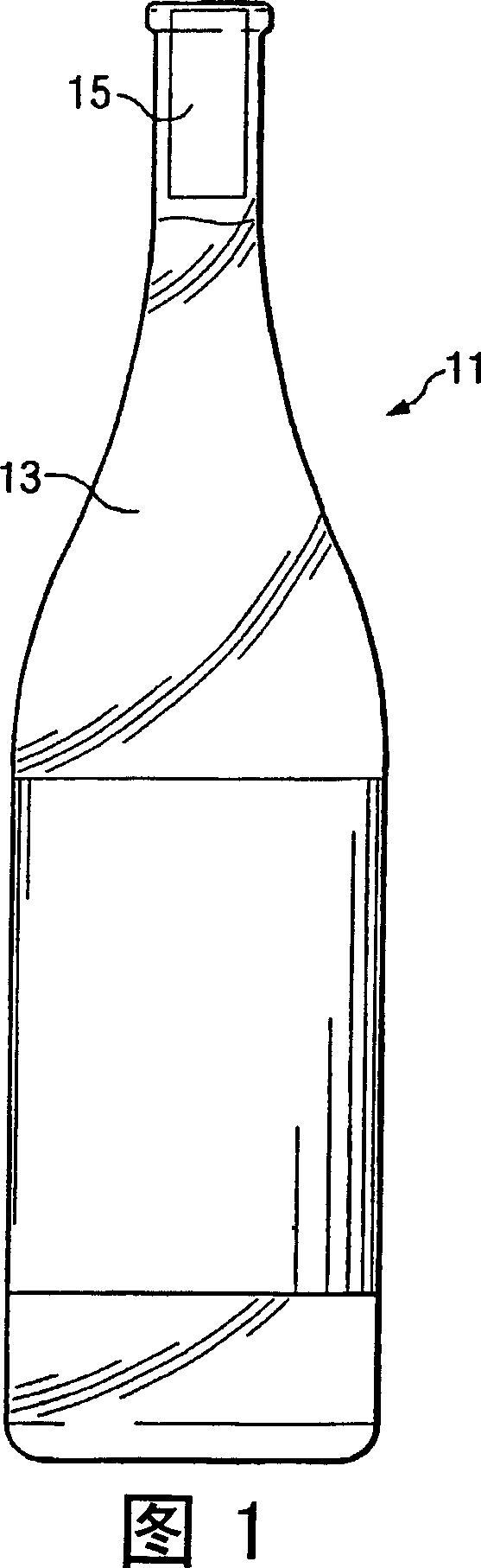
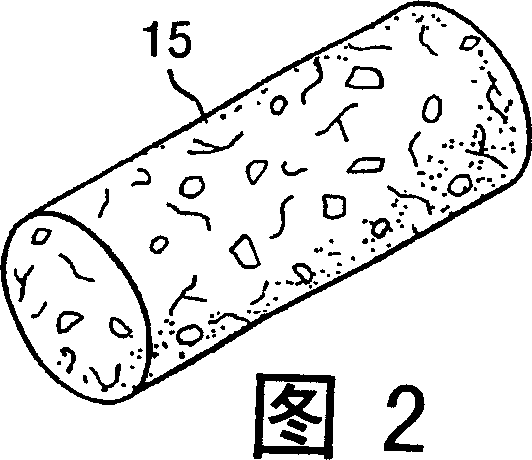
Examples
Embodiment 1
[0034] A synthetic cork mixture was formulated using about 40.7% by weight polydimethylvinylpolysiloxane polymer and about 27.1% by weight fumed silica filler. About 1.3% by weight of high vinyl polysiloxane polymer was added to provide sufficient active sites for the silicon hydride to react with the polymer during crosslinking. About 1.0% by weight toasted oak chips and about 0.25% by weight zinc ferrite pigment were then mixed with the silicone polymer and filler. While a variety of different pigments can be used, zinc ferrite pigments can help mimic the look of natural cork. After adding about 26.2% by weight of soda lime borosilicate and about 0.08% by weight of ethylcyclohexanol, about 2.3% by weight of silicon hydride was added and mixed. The last ingredient added was about 0.99% by weight chloroplatinic acid. Add this component and mix well with other ingredients. The order in which the various ingredients of the mixture are mixed is very important to ensure that th...
PUM
 Login to View More
 Abstract
Description
Claims
Application Information
 Login to View More