
Surface alloying method for improving water corrosion resistance of refractory metal molybdenum
A technology of surface alloying and refractory metal, applied in the field of surface treatment of refractory metal molybdenum which is resistant to water corrosion, to achieve the effect of improving water corrosion resistance, improving passivation performance and good uniformity
Patent Information
- Authority / Receiving Office
- CN · China
- Patent Type
- Applications(China)
- Current Assignee / Owner
- Publication Date
- 2021-04-09
Smart Images
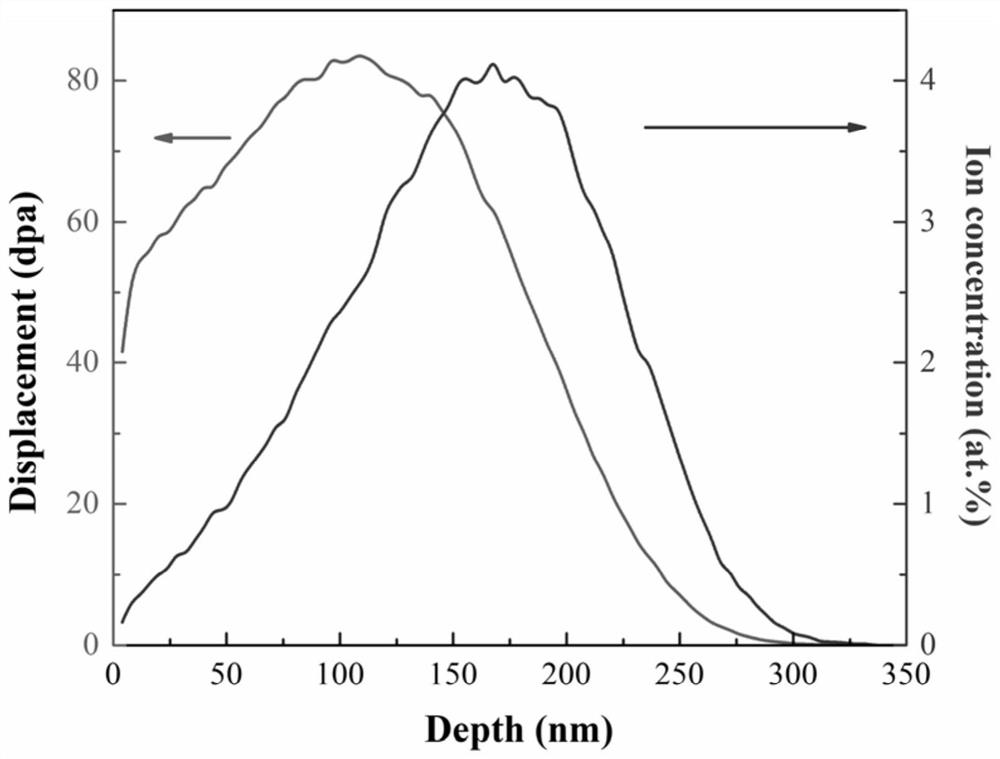
Figure 1 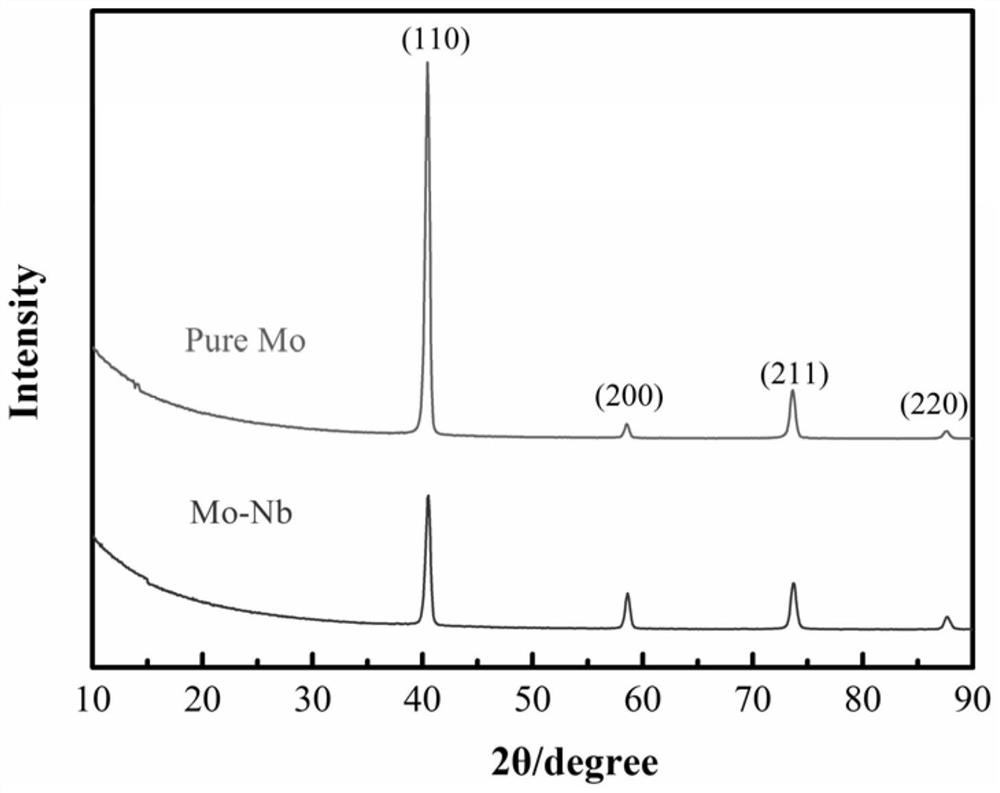
Figure 2 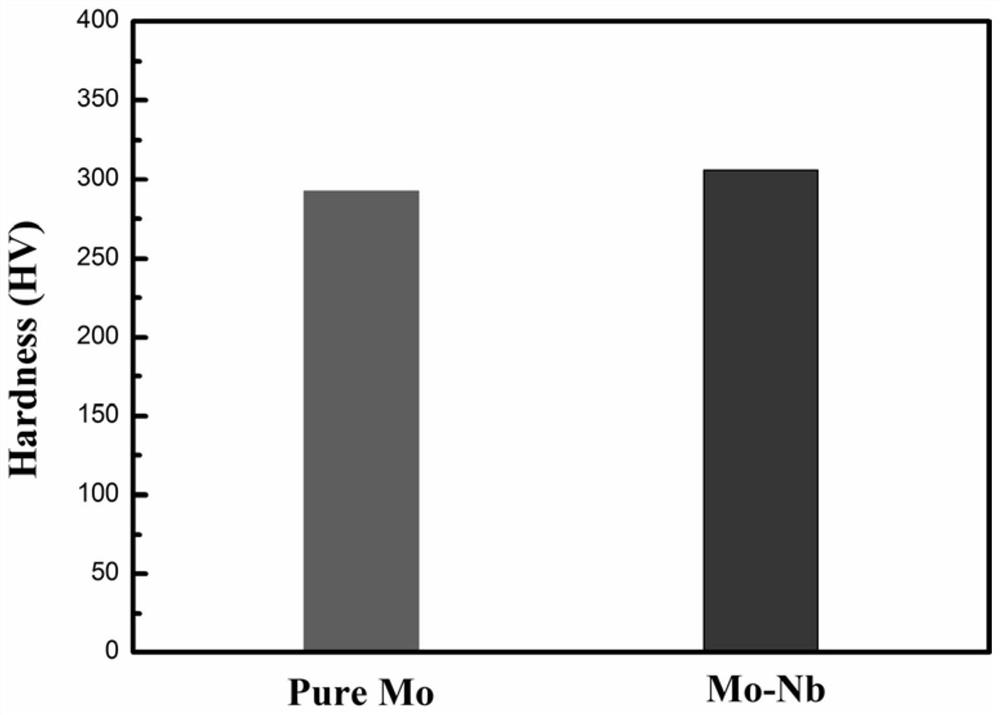
Figure 3
Abstract
Description
technical field
[0001] The invention relates to a water corrosion-resistant alloy surface treatment method, in particular to a water corrosion-resistant refractory metal molybdenum surface treatment method. Background technique
[0002] Molybdenum, as one of the rare metals with important strategic significance in the new generation, has a melting point as high as 2625°C, and has the advantages of excellent high-temperature strength, electrical and thermal conductivity, high-temperature creep resistance and low thermal expansion coefficient. Bismuth has good corrosion resistance, so it is widely used in many fields such as metallurgy, petroleum, chemical industry, machinery, aerospace, iron and steel industry, nuclear energy technology and so on. With the continuous promotion of the application field of molybdenum and molybdenum alloys, molybdenum and molybdenum alloys are widely used in special environments such as high temperature, high pressure, and strong corrosion. Thes...
Examples
Embodiment 1
[0056] Through the traditional powder metallurgy method, the roasted molybdenite (MoS 2 ) to obtain molybdenum trioxide mixed with impurities, and the mixture of ammonia solution and molybdenum trioxide is dissolved, separated and purified to obtain ammonium molybdate solution. Decompose the ammonium molybdate solution at 500°C to obtain molybdenum trioxide, and then reduce it twice in an ammonia atmosphere to obtain pure molybdenum powder. The pure molybdenum powder is uniaxially cold-pressed to obtain a pressed sheet. The pressed blank was pressureless sintered in a hydrogen atmosphere at a sintering temperature of 1960°C and kept for 6 hours. The molybdenum plate was rolled at 1350°C, held in a hydrogen atmosphere for 10 minutes, and double-rolled in the air. After forging, the final plate thickness was 5mm. The specific impurity concentration in the prepared molybdenum plate was shown in Table 1. .
[0057] Cut the molybdenum plate into 15x15x3mm square samples by wire ...
Embodiment 2
[0059] Through the traditional powder metallurgy method, the roasted molybdenite (MoS 2 ) to obtain molybdenum trioxide mixed with impurities, and the mixture of ammonia solution and molybdenum trioxide is dissolved, separated and purified to obtain ammonium molybdate solution. Decompose the ammonium molybdate solution at 500°C to obtain molybdenum trioxide, and then reduce it twice in an ammonia atmosphere to obtain pure molybdenum powder. The pure molybdenum powder is uniaxially cold-pressed to obtain a pressed sheet. The pressed blank was pressureless sintered in a hydrogen atmosphere at a sintering temperature of 1960°C and kept for 6 hours. The molybdenum plate was rolled at 1350°C, held in a hydrogen atmosphere for 10 minutes, and double-rolled in the air. After forging, the final plate thickness was 4mm. The specific impurity concentration in the prepared molybdenum plate is shown in Table 1. .
[0060] Cut the molybdenum plate into a 10x10x3mm square sample by a wir...
Embodiment 3
[0062] Through the traditional powder metallurgy method, the roasted molybdenite (MoS 2 ) to obtain molybdenum trioxide mixed with impurities, and the mixture of ammonia solution and molybdenum trioxide is dissolved, separated and purified to obtain ammonium molybdate solution. Decompose the ammonium molybdate solution at 500°C to obtain molybdenum trioxide, and then reduce it twice in an ammonia atmosphere to obtain pure molybdenum powder. The pure molybdenum powder is uniaxially cold-pressed to obtain a pressed sheet. The pressed blank was pressureless sintered in a hydrogen atmosphere at a sintering temperature of 1960°C and kept for 6 hours. The molybdenum plate was rolled at 1350°C, held in a hydrogen atmosphere for 10 minutes, and double-rolled in the air. After forging, the final plate thickness was 4mm. The specific impurity concentration in the prepared molybdenum plate is shown in Table 1. .
[0063] Cut the molybdenum plate into 10x10x2mm square samples by wire c...