
Aortic arch double-barreled main body stent graft and methods for use
A graft, main body technology, applied in stents, blood vessels, prostheses, etc., can solve problems such as erectile dysfunction and reducing exercise tolerance
- Summary
- Abstract
- Description
- Claims
- Application Information
AI Technical Summary
Problems solved by technology
Method used
Image

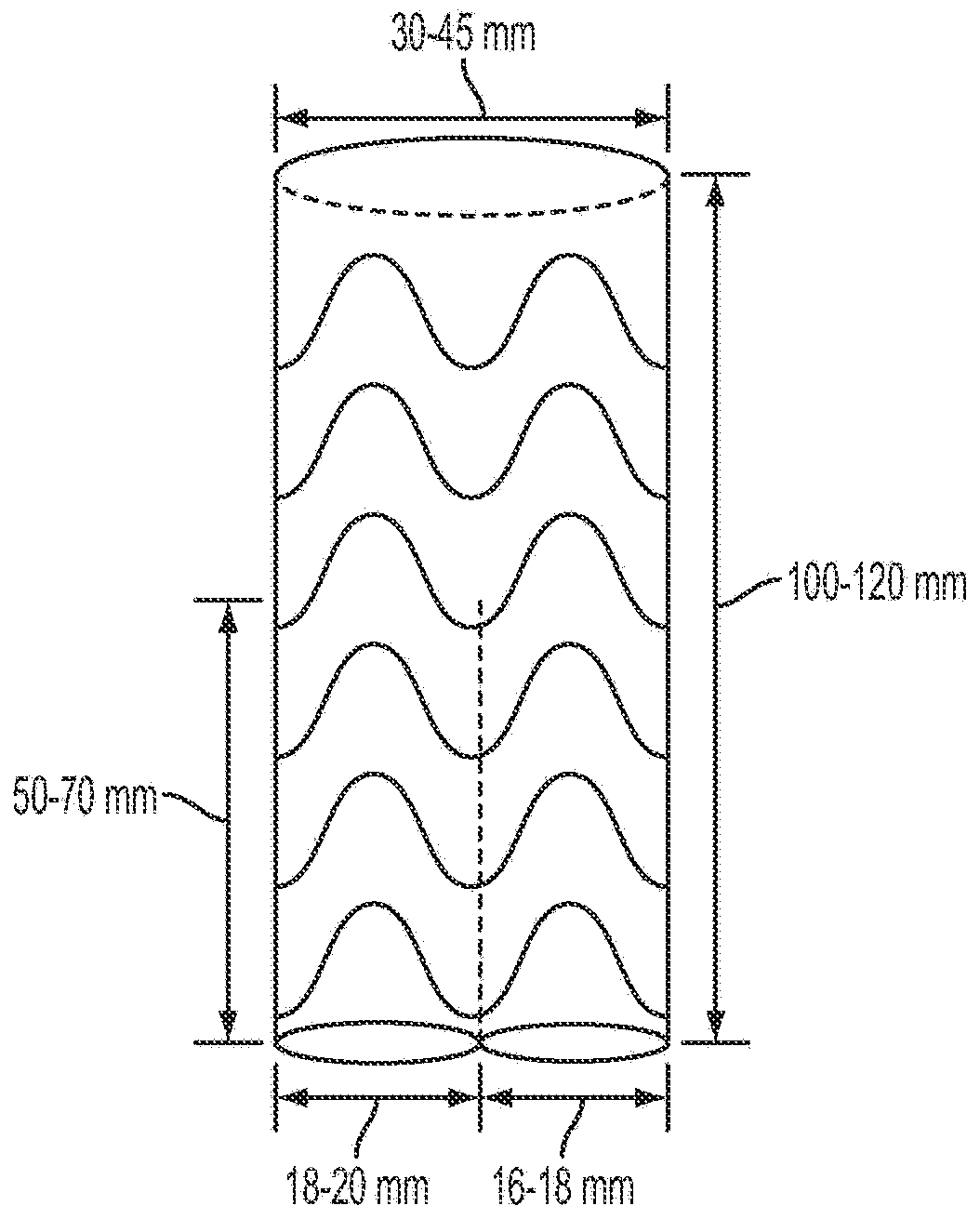
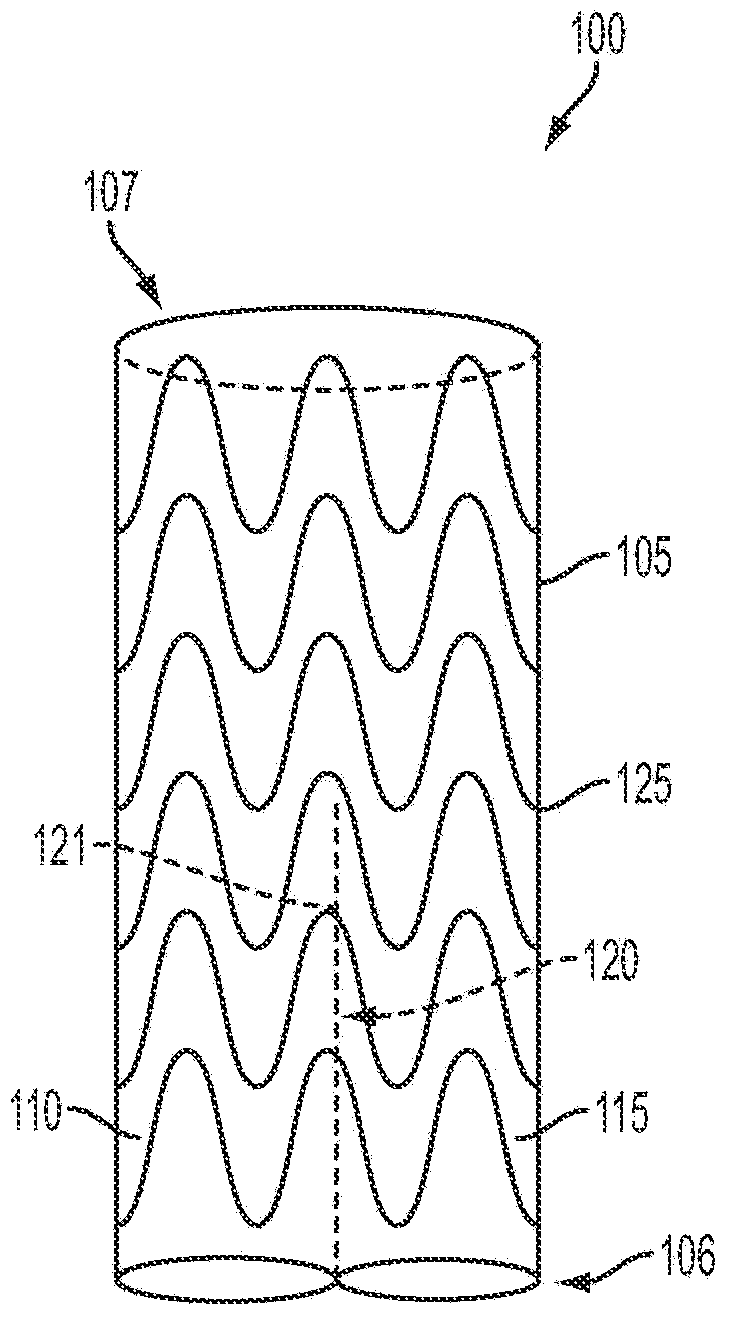
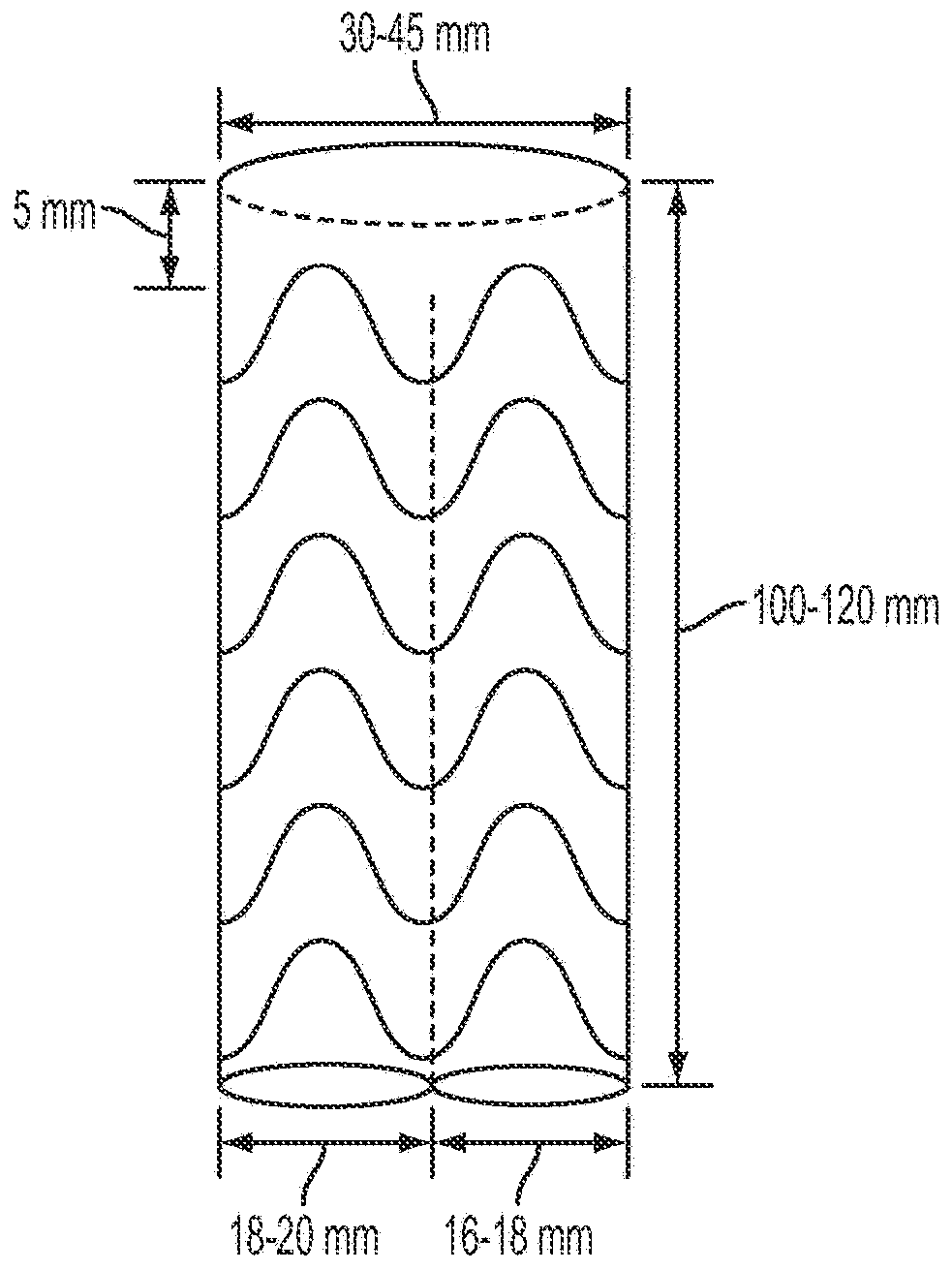
Examples
Embodiment 1
[0247] Example 1: Intravascular debranching of thoracoabdominal aneurysm
[0248] The final vascular procedure (surgery) is open repair of a Thoracic Abdominal Aneurysm (TAA). The performance of such procedures presents challenges to the surgeon, the surgical team, and the institutions performing these procedures, but none of these can match the challenges patients and their families endure to recover from such an invasive procedure.
[0249] There have been several surgical approaches for this operation. Open TAA repair with acceptable complication rates is available at only a few sites in the country. A newer surgical approach is debranching with simultaneous or delayed stretching. This approach has been able to reduce many major complication rates, but has other major complications of its own. Any surgeon who performs this procedure understands that it is a very difficult surgical procedure and the patient has a very challenging recovery. For TAA repair, perforated sten...
Embodiment 2
[0256] Example 2: Intravascular debranching of thoracoabdominal aneurysm
[0257] Endovascular repair of infrarenal abdominal aneurysms has become an acceptable alternative to traditional open surgical repair. These techniques allow for shorter hospital stays following a less invasive approach and begin to reduce patient morbidity and mortality. However, endovascular repair using stent-grafts has slowly surpassed open surgical repair for aneurysms of the thoracoabdominal aorta due to anatomical constraints and the high cost of custom-made stent-grafts to suit individual aneurysm conditions (TAA) standard treatment. The situation presented here represents an endoluminal repair of a TAA.
[0258] The patient underwent standard inguinal and right axillary incisions under general anesthesia to expose the blood vessels. This allows access of the right / left common femoral artery to a 5 French cannula and a measuring pigtail catheter to allow angiography to be performed to define ...
Embodiment 3
[0266] Example 3: Endovascular debranching of thoracic aneurysm
[0267] The patient was a 47-year-old female who presented with thoracic anatomy indicative of a large thoracic aneurysm, type A anatomy, and unfortunately marked aneurysmal changes throughout the entire length of her iliac arteries. Its visceral section realizes a real lumen.
[0268] The patient is placed in the supine position and the neck, chest, arms and groin are prepared and covered in the normal aseptic manner. Dissect the left common carotid artery internally and externally through a longitudinal incision in a standard manner with controlled circumference. A longitudinal incision was made on the brachial artery and dissected down to the left brachial artery and circumferential control. Vertical incisions were made in the left and right groins and dissected down to the common femoral artery, deep femoral artery, superficial femoral artery and peripheral controls. The focus is then shifted to the right ...
PUM
| Property | Measurement | Unit |
|---|---|---|
| Length | aaaaa | aaaaa |
| Diameter | aaaaa | aaaaa |
| Length | aaaaa | aaaaa |
Abstract
Description
Claims
Application Information
 Login to View More