
Application of composite high-fat forage to construct non-alcoholic fatty liver disease rat model
A high-fat feed, non-alcoholic technology, applied in the field of medicine, can solve the problems of not being able to truly reflect the pathogenesis of the disease, evaluate prevention and control measures, etc., and achieve the effects of good application prospects, short modeling time and simple formula.
- Summary
- Abstract
- Description
- Claims
- Application Information
AI Technical Summary
Problems solved by technology
Method used
Image

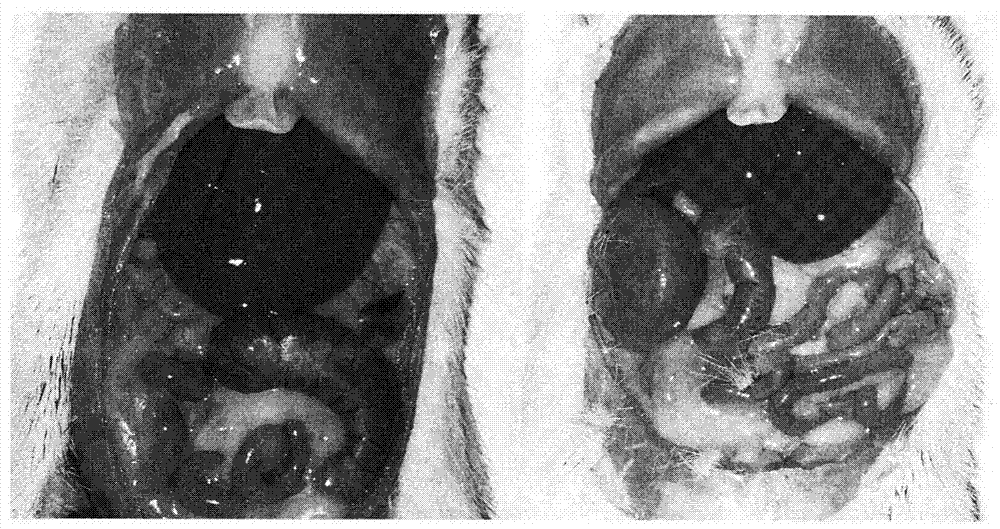
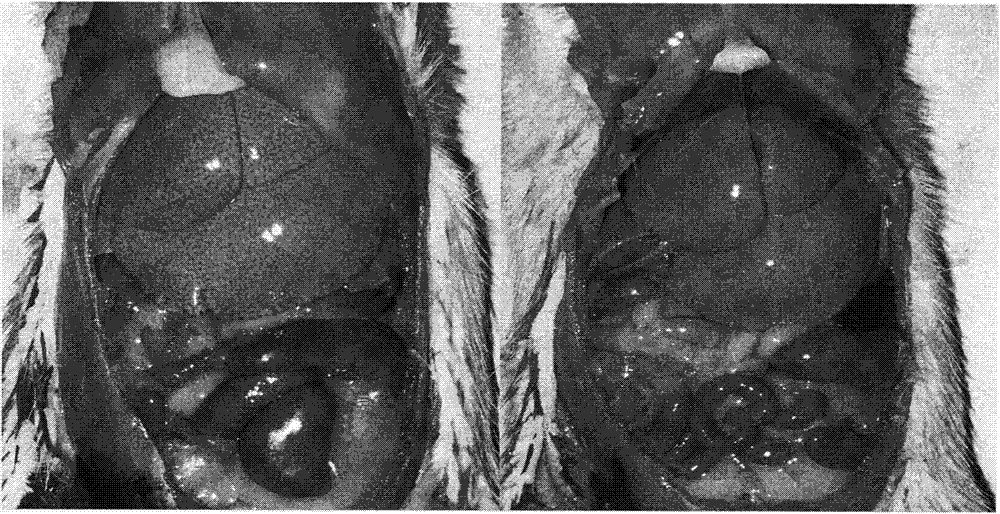
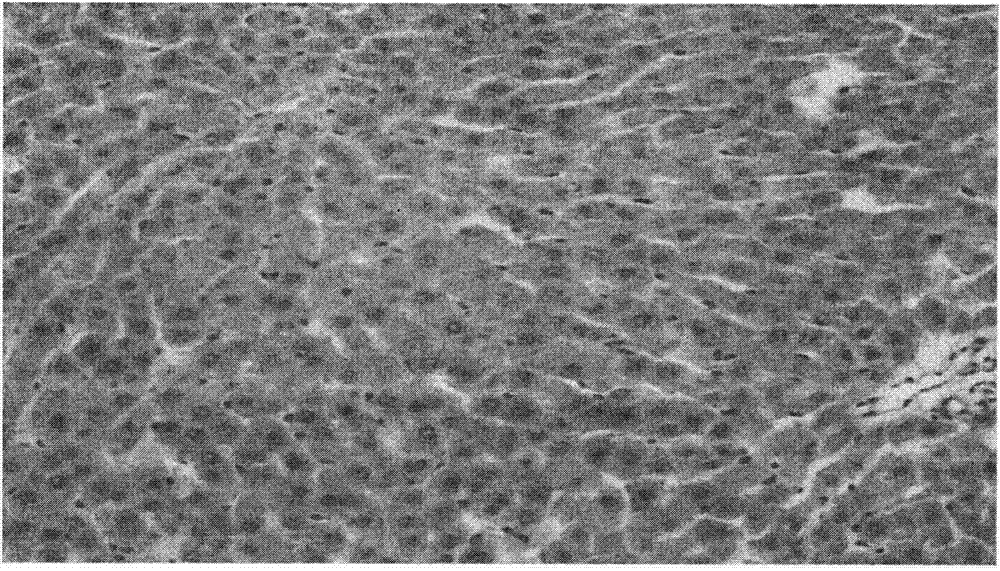
Examples
Embodiment 1
[0023] Example 1 Select healthy male SD rats and randomly divide them into a model group and a blank control group. After one week of adaptive feeding, the rats in the model group were given high-fat feed freely, and at the same time, they were given 500 mg / kg / d sodium valproate normal saline solution by intragastric administration once a day, and were continuously fed for 8 weeks. . Rats in the blank control group were supplied with basal feed, and the same amount of blank normal saline was administered orally every day, once a day, and fed continuously for 8 weeks.
Embodiment 2
[0024] Example 2 Select healthy male SD rats (6-8 weeks old, body weight 180-220 grams) and randomly divide them into a model group and a blank control group. After one week of adaptive feeding, the rats in the model group were given high-fat feed freely, and at the same time, they were given 500 mg / kg / d sodium valproate normal saline solution by intragastric administration once a day, and were continuously fed for 8 weeks. . Rats in the blank control group were supplied with basal feed, and the same amount of blank normal saline was administered orally every day, once a day, and fed continuously for 8 weeks. During the modeling period, the compound high-fat feed fed to the model group rats consisted of the following formula: by mass percentage, 77.5% rat basal feed, 10% eggs, 10% coconut oil, 2% cholesterol, 0.5% bile salt; Based on the weight of rats, sodium valproate was 500 mg / kg / d. After 4 weeks of modeling, the rats developed symptoms of fatty liver, which continued to...
PUM
 Login to View More
 Abstract
Description
Claims
Application Information
 Login to View More