
Application of asprosin in preparing medicine for treating ischemic heart disease
A technology of ischemic heart disease and drugs, applied in the field of medicine, can solve problems such as death, injury, and molecular maladaptation
Patent Information
- Authority / Receiving Office
- CN · China
- Patent Type
- Patents(China)
- Current Assignee / Owner
- Publication Date
- 2020-07-14
Smart Images
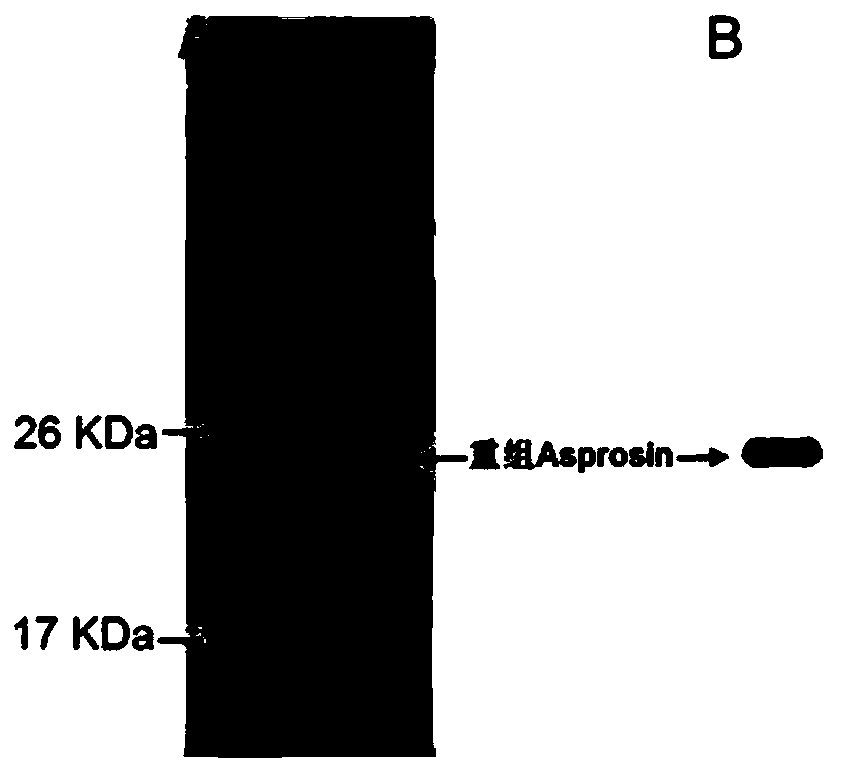
Figure 1 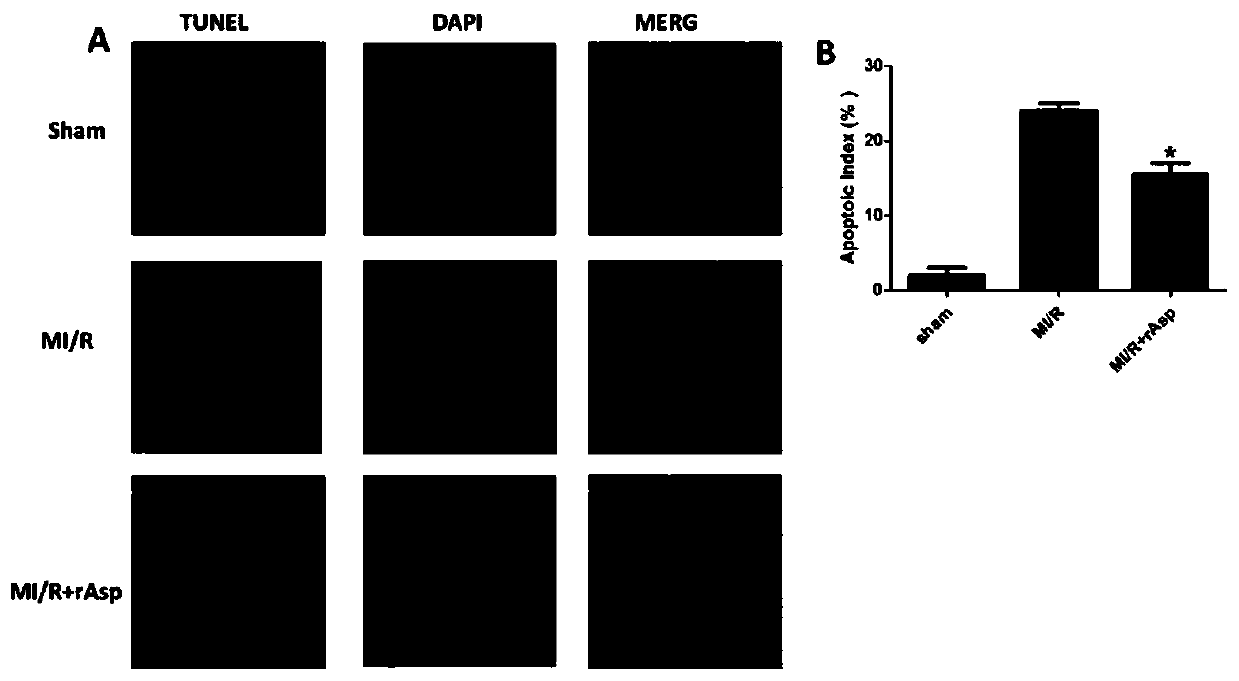
Figure 2 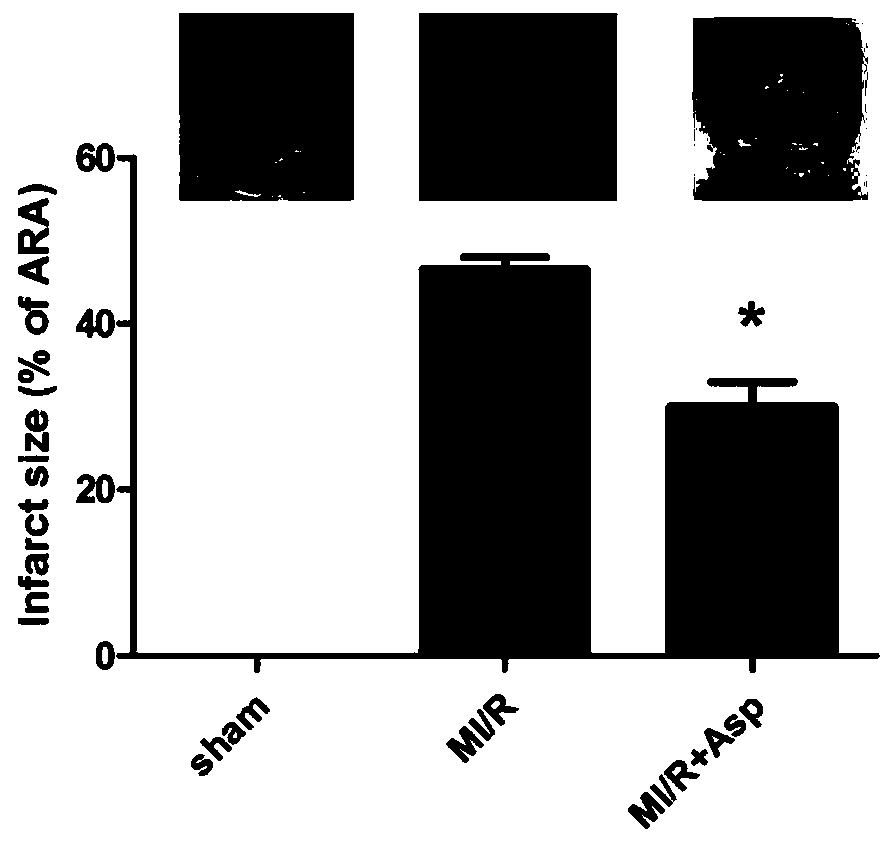
Figure 3
Abstract
Description
technical field
[0001] The invention belongs to the technical field of medicine, and in particular relates to the application of Asprosin in the preparation of medicines for treating ischemic heart disease. Background technique
[0002] Asprosin is a new type of endogenous small molecule protein first reported in 2016 (Romere, C., et al. Asprosin, a Fasting-Induced Glucogenic Protein Hormone. Cell, 2016.165(3): p.566-79.). Asprosin is the C-terminal polypeptide fragment of profibrillin. Profibrillin is cleaved near the C-terminus by Furin to form two proteins, Fibrillin-1 and Asprosin. That is, Asprosin is actually encoded by the 65th and 66th exons of the FBN1 gene, the 65th exon encodes 11 amino acid residues, and the 66th exon encodes 129 amino acid residues, a total of 140 amino acid residues , the actual molecular weight is about 30kDa (possibly with post-translational modifications such as glycosylation). It is mainly secreted by white adipose tissue, and its circul...
Examples
Embodiment 1
[0011] Embodiment 1: expression, purification and identification of Asprosin
[0012] Asprosin is obtained by truncating the 141 amino acid residues at the C-terminus of FBN1 (GenBank Accession NM_000138). 根据E.coli密码子偏好性进行密码子优化,避免产生HindIII和EcoRI两个限制性酶切位点,然后全基因合成(序列为:ATGTCTACCAACGAAACCGACGCTTCTAACATCGAAGACCAGTCTGAAACCGAAGCTAACGTTTCTCTGGCTTCTTGGGACGTTGAAAAAACCGCTATCTTCGCTTTCAACATCTCTCACGTTTCTAACAAAGTTCGTATCCTGGAACTGCTGCCGGCTCTGACCACCCTGACCAACCACAACCGTTACCTGATCGAATCTGGTAACGAAGACGGTTTCTTCAAAATCAACCAGAAAGAAGGTATCTCTTACCTGCACTTCACCAAAAAAAAACCGGTTGCTGGTACCTACTCTCTGCAGATCAGTTCTACCCCGCTGTACAAAAAAAAAGAACTGAACCAGCTGGAAGACAAATACGACAAAGACTACCTGTCTGGTGAACTGGGTGACAACCTGAAAATGAAAATCCAGGTTCTGCTGCACTAA),得到423bp的Asprosin编码DNA片段。 The DNA fragment was connected between EcoRI and HindIII of the expression vector pET-30a to form the expression plasmid pET30a-Asp, and after transforming the BL21(DE3) strain, an Asprosin expression strain was formed.
[0013] The BL21(DE3) strain transformed with pET30...
Embodiment 2
[0017] Example 2: Effect of Asprosin on cardiomyocyte apoptosis
[0018] A slipknot was tied 2-3 mm from the root of the left anterior descending coronary artery of the mouse with 6-0 silk thread to cause myocardial ischemia. After 30 minutes, the slipknot was opened for reperfusion. Four hours after reperfusion, myocardial tissue was collected for apoptosis-related detection. In the Sham group, the silk thread was threaded at the same position, but no ligation was performed; in the treatment group, 20 μg of the aforementioned purified Asprosin protein was injected intraperitoneally immediately after ligation.
[0019] Under anesthesia, the mouse was fixed, the thorax of the mouse was cut open, the heart of the mouse was exposed, the left atrial appendage was cut open, and the aorta was clamped. PBS containing heparin was poured from the myocardium, and after the liquid flowing out of the left atrial appendage became clear, it was poured with 4% paraformaldehyde, and the myoc...
Embodiment 3
[0021] Embodiment 3: giving recombinant Asprosin can reduce myocardial infarction size
[0022] As described in Example 2, a mouse myocardial ischemia-reperfusion model was established. After 24 hours of reperfusion, the heart was stained with Evan's blue / TTC to detect the area of myocardial infarction. After the completion of local IR in the myocardium of mice in vivo, the left coronary artery was ligated in situ, and Evan's blue solution was injected through the root of the aorta, and the non-ischemic myocardium was stained blue. Remove the whole heart, wash it with phosphate buffer solution, and cool it at -20°C for 10 minutes. Cut off the atrium, put the ventricle into a special slicer, cut it perpendicular to the long axis into 4-6 myocardial slices with a thickness of 1-2mm, Myocardial slices were placed in 1% triphenyltetrazolium chloride (2,3,5-Triphenyltetrazolium chloride, TTC) solution, incubated at 37°C for 15 minutes, and active myocardial tissue was stained br...