
Protecting biological structures, including the great vessels, particularly during spinal surgery
- Summary
- Abstract
- Description
- Claims
- Application Information
AI Technical Summary
Benefits of technology
Problems solved by technology
Method used
Image

Examples
Embodiment Construction
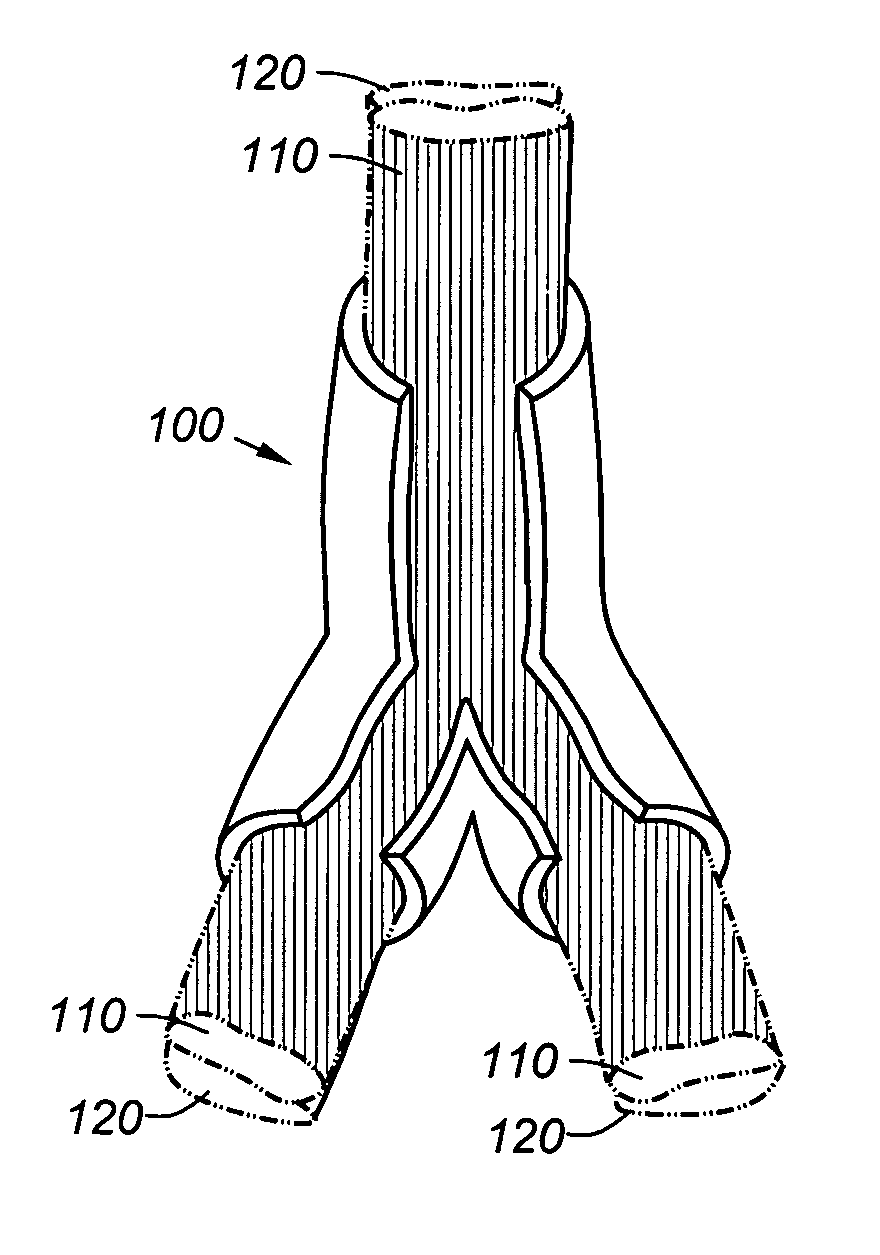
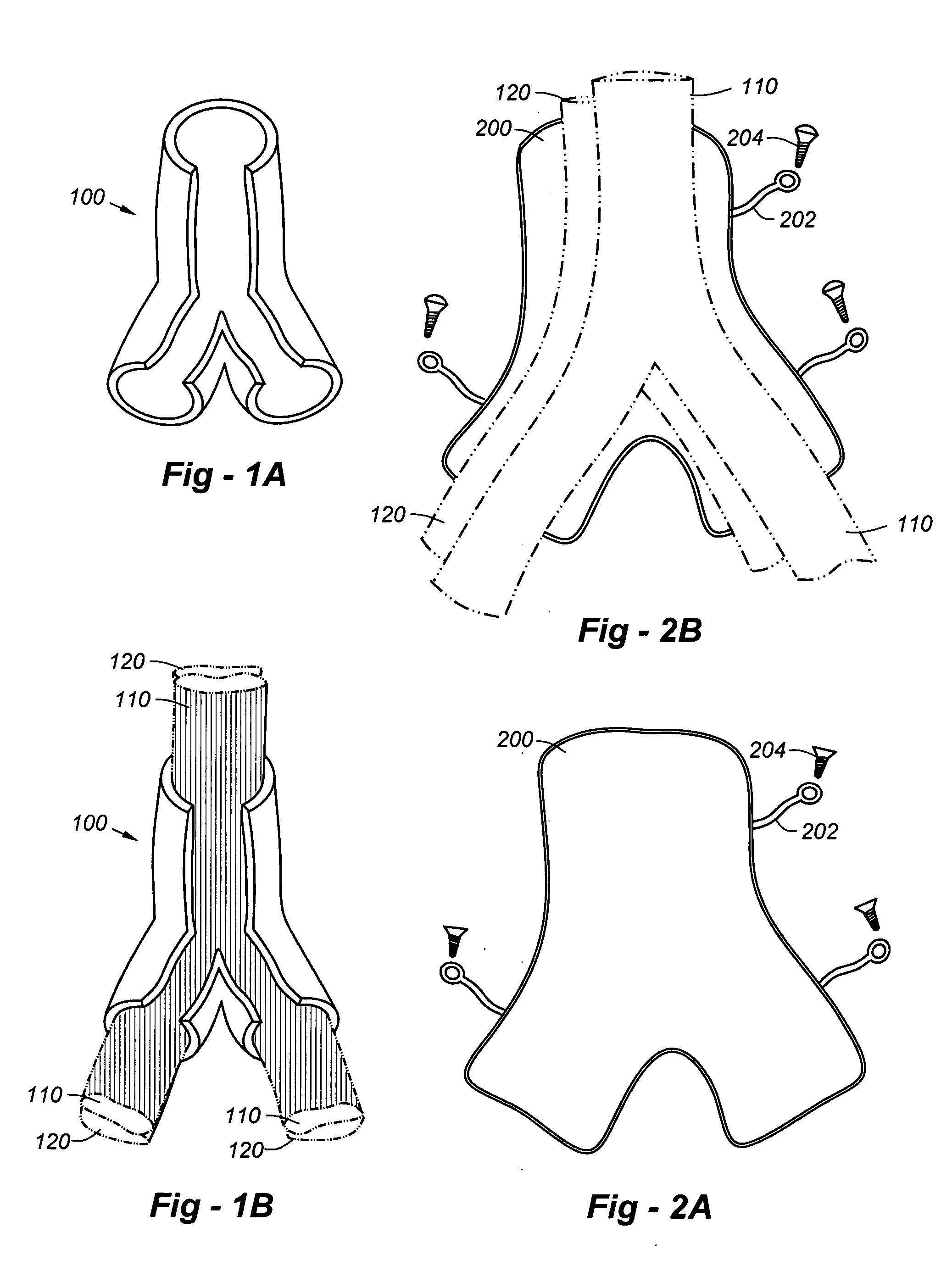
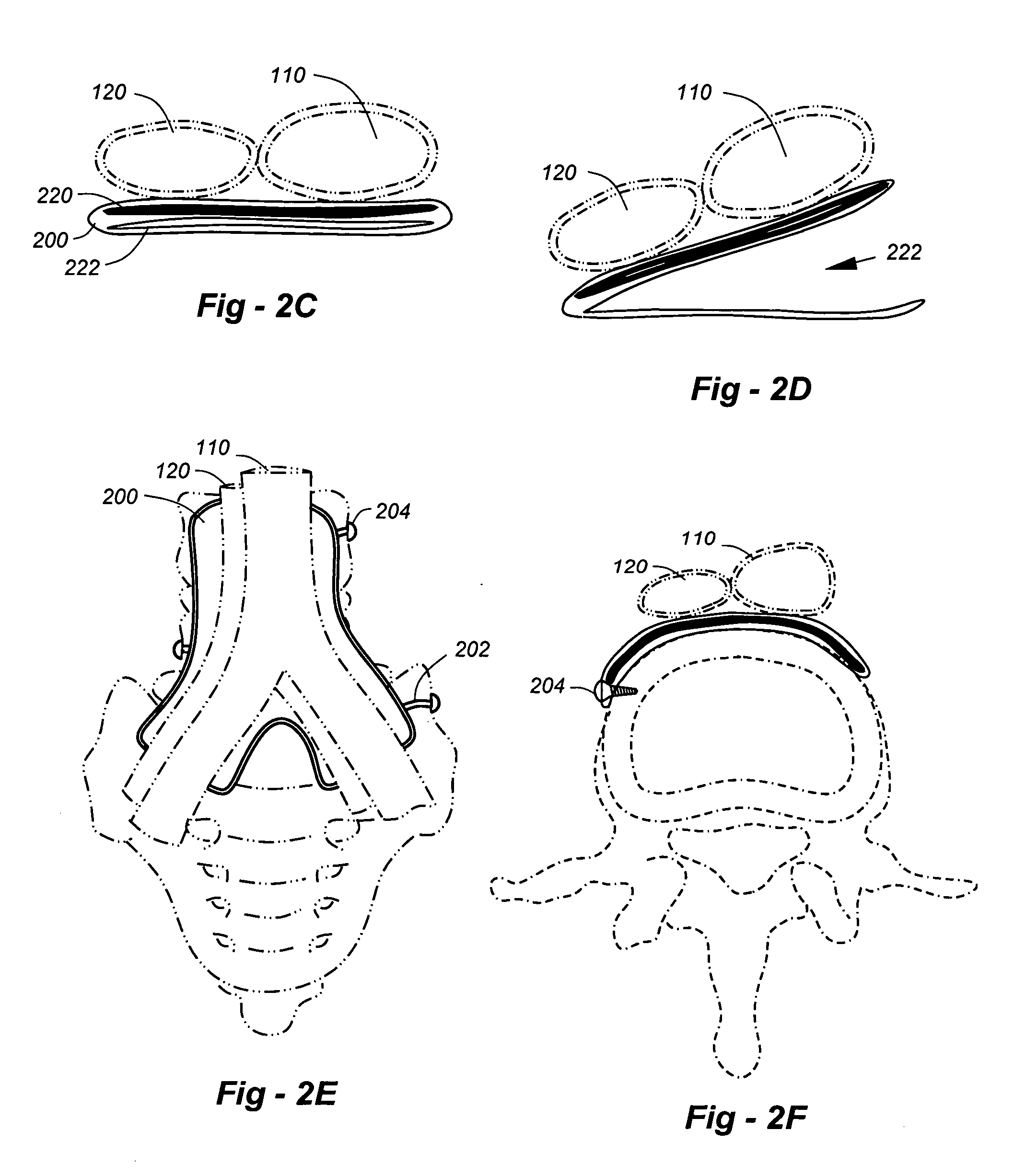
[0015] According to one aspect of this invention, a sheet of material such as Dacron or Gortex is used protect the vessels during repeat surgeries. The high tensile strength of the material would enable surgeons to dissect between the material and the spine while protecting the vessels from injury. Natural tissues such as animal or human allograft aorta could alternatively be used. Metal or plastic sheets may also be placed between the vessels and the spine, and the barrier sheets may be attached to the spine or elsewhere to prevent migration.
[0016] Hydrogels, proteoglycans, hyaluronic acid, fibrinogen, or autograft fat may be placed between the vessels and the spine or between the spine and the implanted reinforcement membrane to decrease scar tissue formation. Other material that prevents scar tissue could also be used for this purpose. Furthermore, in situ curing polymers or sheets of silastic, as described in my U.S. Pat. No. 6,248,106, could be placed between the spine and the...
PUM
 Login to View More
 Abstract
Description
Claims
Application Information
 Login to View More