
A kind of preparation method of inorganic non-noble metal Ni-doped Cu-based bifunctional electrocatalyst
An electrocatalyst and noble metal technology, which is applied in the field of preparation of inorganic non-noble metal Ni-doped Cu-based bifunctional electrocatalysts, can solve the problems of time-consuming, complicated, and unsuitable for large-scale industrial applications, and achieve simple synthesis and preparation, hydrogen evolution and The effect of excellent oxygen evolution performance
Patent Information
- Authority / Receiving Office
- CN · China
- Patent Type
- Patents(China)
- Current Assignee / Owner
- Publication Date
- 2021-11-16
Smart Images
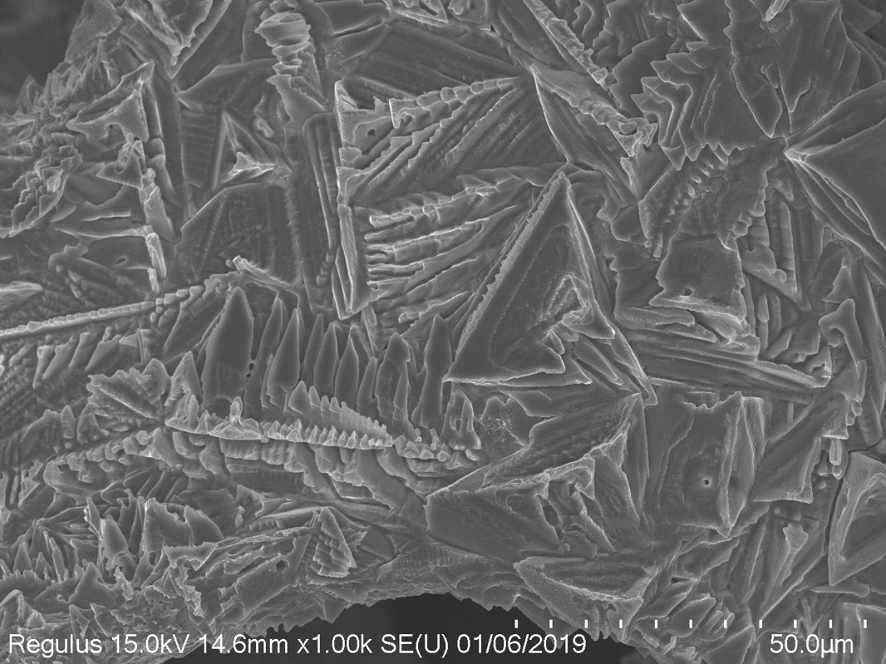
Figure 1 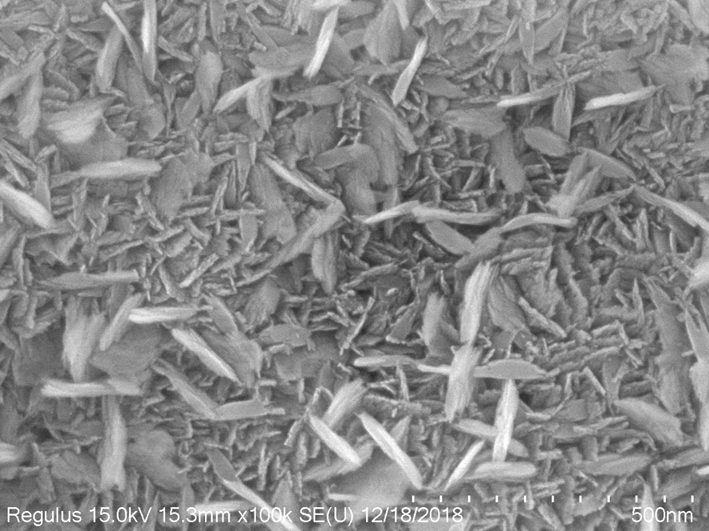
Figure 2 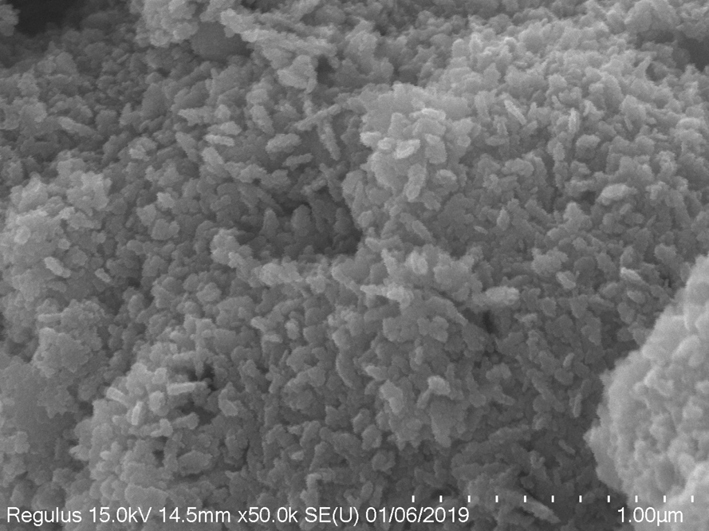
Figure 3
Abstract
Description
technical field
[0001] The invention relates to a preparation method of an inorganic non-noble metal Ni-doped Cu-based bifunctional electrocatalyst, belonging to the technical field of electrolytic water catalysts. Background technique
[0002] The excessive use of fossil fuels leads to energy crisis and environmental pollution. Hydrogen is one of the most promising energy sources to replace fossil fuels, and the use of electrocatalytic water splitting to produce hydrogen is one of the most promising methods. Platinum group metals have always been recognized as one of the catalysts with the best electrocatalytic performance, but their high price and limited reserves limit their large-scale use. Therefore, people have been exploring transition metals with better catalytic performance and lower price as catalysts for electrocatalytic water splitting to hydrogen production.
[0003] Such as a kind of Ag-modified CuO nanobelt / copper foam composite electrode and its preparation ...
Examples
Embodiment Construction
[0029] A preparation method of inorganic non-noble metal Ni-doped Cu-based bifunctional electrocatalyst, the steps are as follows:
[0030] 1. Mix copper sulfate and hydrochloric acid according to a certain concentration ratio, and stir evenly to obtain a mixed solution;
[0031] 2. Place the cleaned foamed nickel in a mixed solution of copper sulfate and hydrochloric acid at room temperature;
[0032] 3. After standing still, take out the nickel foam, rinse it in absolute ethanol several times, and then dry it with cold air;
[0033] 4. Place the product in step 3 in KOH solution for in-situ electrochemical oxidation. After the reaction, take out the sample and wash it several times with deionized water, and dry it with cold air for later use;
[0034] 5. After electrochemical oxidation, place the sample in step 4 in KOH solution for oxygen evolution reaction;
[0035] 6. Prepare a certain concentration of sodium sulfide solution for use;
[0036] Seven, the product to be ...