Method for rapidly propagating miscanthus sacchariflorus through tissue culture

A plant, the technology of Miscanthus, applied in the field of tissue culture and rapid propagation of somatic embryos of Miscanthus genus, can solve the problems of different callus rate and differentiation rate, no embryogenic callus, no embryogenicity, etc., and achieve value-added Stable, high callus reproduction rate, high efficiency effect

CN101999319BInactive Publication Date: 2012-07-25湖北光芒能源植物有限公司
0 Cites 0 Cited by

Patent Information

Authority / Receiving Office
CN · China
Patent Type
Patents(China)
Current Assignee / Owner
Publication Date
2012-07-25
Estimated Expiration
Not applicable · inactive patent

Smart Images

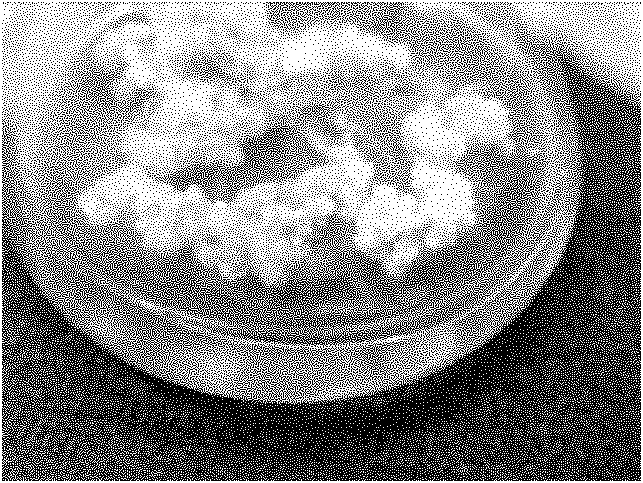
  • Figure 1
    Figure 1
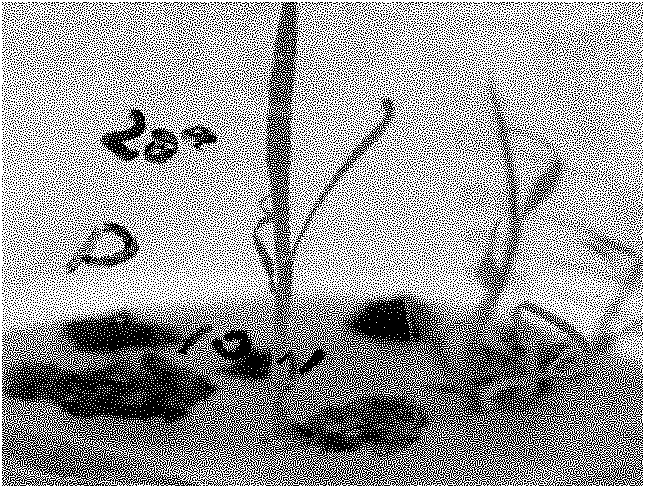
  • Figure 2
    Figure 2
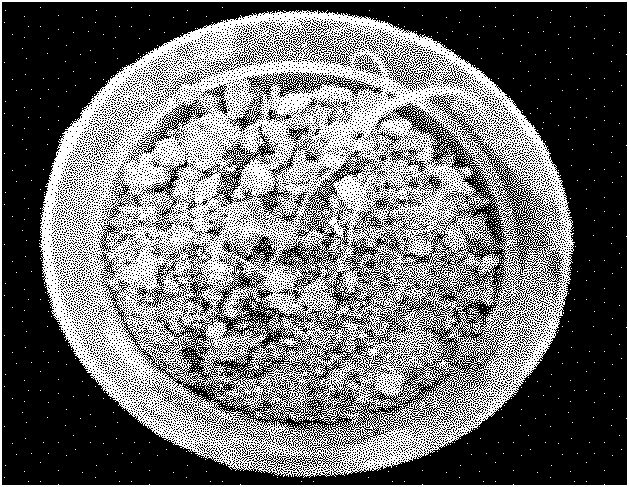
  • Figure 3
    Figure 3
Patent Text Reader

Abstract

The invention discloses a method for rapidly propagating miscanthus sacchariflorus through tissue culture, which comprises the steps of: A, selecting young ears: selecting young ears in a floret primordium forming stage; B, inducing with a primary inducing culture medium: cutting into small sections, disinfecting with 7 alcohol, then soaking with mercuric chloride, washing with sterile water, andinoculating the small sections on the primary inducing culture medium of the young ears for primary inducing to obtain embryogenic callus; C, subculturing with a seedling-growing culture medium: sub-seedling the obtained embryogenic callus on a subculture medium; D, inducing rooting with a rooting inducing culture medium: inducing the seedling for rooting on the rooting inducing culture medium; and E, acclimating and transplanting: in a greenhouse, periodically spraying acclimation culture liquid and clear water on the seedling every day, transplanting into a nursery garden, lighting, illuminating, and obtaining the miscanthus sacchariflorus. The method is simple and easy and convenient to operate, has the advantages of high differentiation callus rate and sprout rate as well as survival rate, and is suitable for laying the foundation of industrialized production and subsequent transgenosis of the miscanthus sacchariflorus.
Need to check novelty before this filing date? Find Prior Art

Description

technical field

[0001] The present invention relates to the technical field of tissue culture and rapid propagation of Miscanthus sacchariflorus ssp.lutarioriparius based on embryogenic callus, and more specifically relates to a method for tissue culture and rapid propagation of somatic embryos of Miscanthus sacchariflorus ssp. The implants obtain seedlings through callus induction, as well as multiplication, rooting, domestication and transplantation. Background technique

[0002] In the 1990s, there were relevant reports on the tissue culture and rapid propagation technology of Miscanthus in China. They used young leaves, hypocotyls, young roots, and young ears as explants for the rapid propagation of Miscanths. , but their callus rate and differentiation rate are different, the reproduction efficiency of the young panicle is the highest, but no embryogenic callus is obtained. In addition, in 2005, there was also a report on the tissue culture and rapid propagation techno...

Examples

Embodiment 1

[0025] A method for rapid propagation by tissue culture of somatic embryos of Miscanth genus Nandi, the steps of which are:

[0026] 1. Selection of young panicles: Select young panicles that are in the formation stage of Yinghua primordia. The seeds in the young panicles have not yet formed, the central axis is relatively soft, and the basic branches have not yet formed.

[0027] 2. First-generation induction (induction first-generation culture medium): cut it into 2 or 3 cm segments, first sterilize with 75% alcohol for 25 or 28 or 30 or 33 or 35 seconds, then soak in 0.1% mercuric chloride for 5 minutes, and then use Rinse it three times with sterile water, and inoculate it on the primary induction medium of young ears. After 30 days of primary induction, embryogenic callus was obtained. The culture conditions are 25° C., 16 hours of light per day (irradiated by artificial light source), and the light intensity is 2000 LX. The primary induction medium is: A: MS medium sup...