
Anti-corrosion agents for transparent conductive film
A transparent conductive film, transparent conductive technology, applied to conductive coatings, conductive materials dispersed in non-conductive inorganic materials, circuits, etc., can solve problems such as high cost, easy to break, and complexity
- Summary
- Abstract
- Description
- Claims
- Application Information
AI Technical Summary
Problems solved by technology
Method used
Image

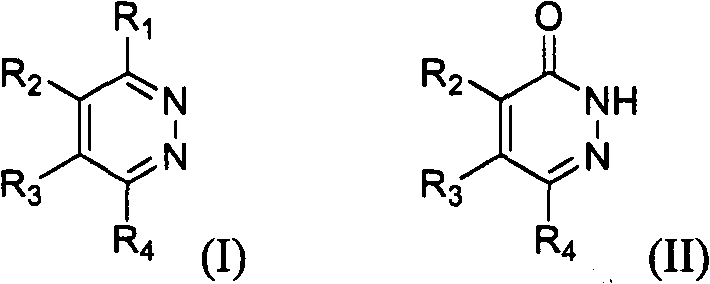
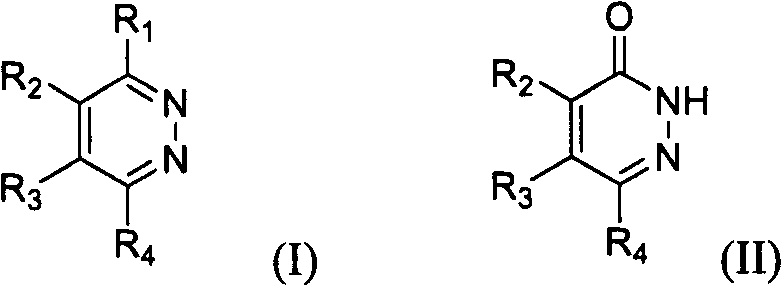
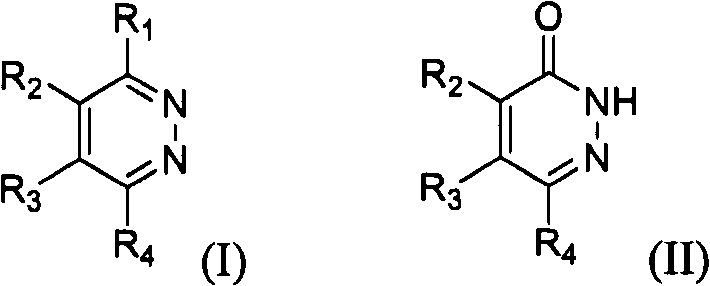
Examples
Embodiment Construction
[0037] definition:
[0038] The term "conductive layer" or "conductive film" refers to a network layer comprising silver nanowires dispersed in a polymeric binder.
[0039] The term "conductive" refers to electrical conductivity.
[0040] The term "article" refers to a coating of a "conductive layer" or "conductive film" on a support.
[0041] The terms "coating weight", "coat weight" and "coverage" are synonymous and are usually expressed in weight or moles per unit area, such as g / m 2 or mol / m 2 .
[0042] The term "transparent" means capable of transmitting visible light without significant scattering or absorption.
[0043] "Haze" is the large angle scattering that spreads the light evenly in all directions. It is the percentage of transmitted light that deviates from the incident light by more than an average of 2.5 degrees. Haze reduces contrast and produces a milky or hazy appearance. The lower the Haze value, the less blurry the material.
[0044] The term "org...
PUM
| Property | Measurement | Unit |
|---|---|---|
| transmittivity | aaaaa | aaaaa |
| glass transition temperature | aaaaa | aaaaa |
| length | aaaaa | aaaaa |
Abstract
Description
Claims
Application Information
 Login to View More