Method for detecting bartonella elizabethae with TaqMan real-time fluorescent quantitative PCR

A real-time fluorescence quantitative, whole-body technology, applied in the determination/inspection of microorganisms, biochemical equipment and methods, DNA/RNA fragments, etc., to achieve the effects of reliable data, good linear relationship, and high amplification efficiency

CN104789657AInactive Publication Date: 2015-07-22ICDC CHINA CDC
1 Cites 5 Cited by

Patent Information

Authority / Receiving Office
CN · China
Patent Type
Applications(China)
Current Assignee / Owner
Publication Date
2015-07-22
Estimated Expiration
Not applicable · inactive patent

Smart Images

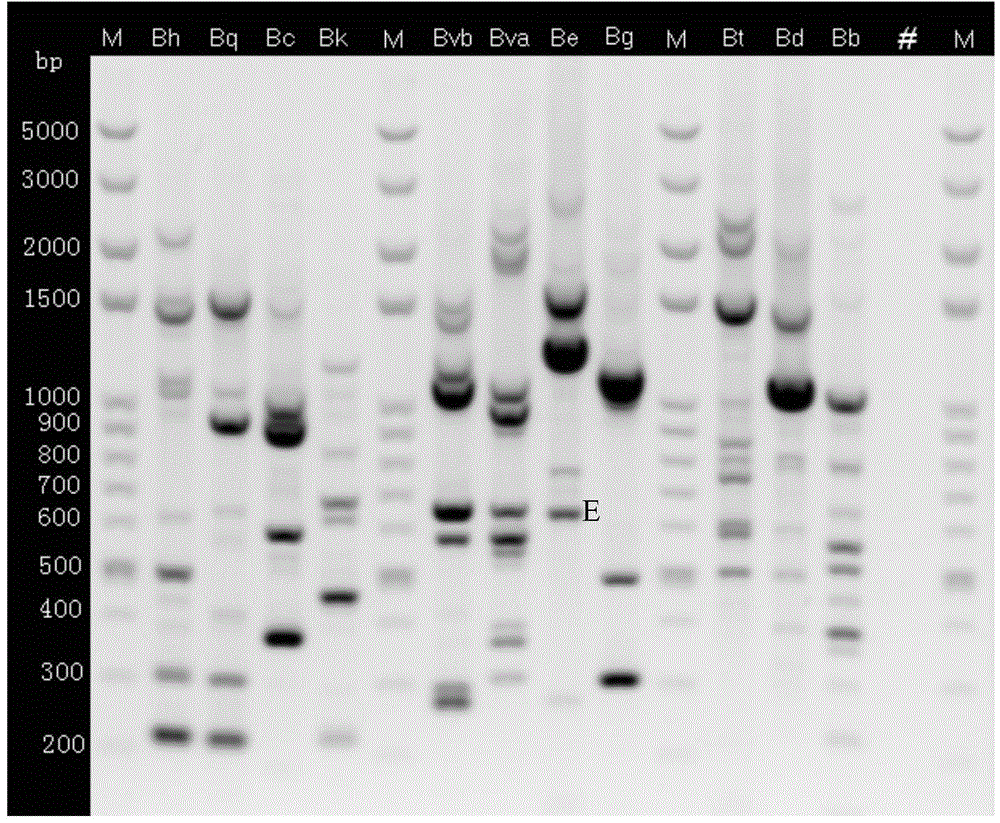
  • Figure 1
    Figure 1
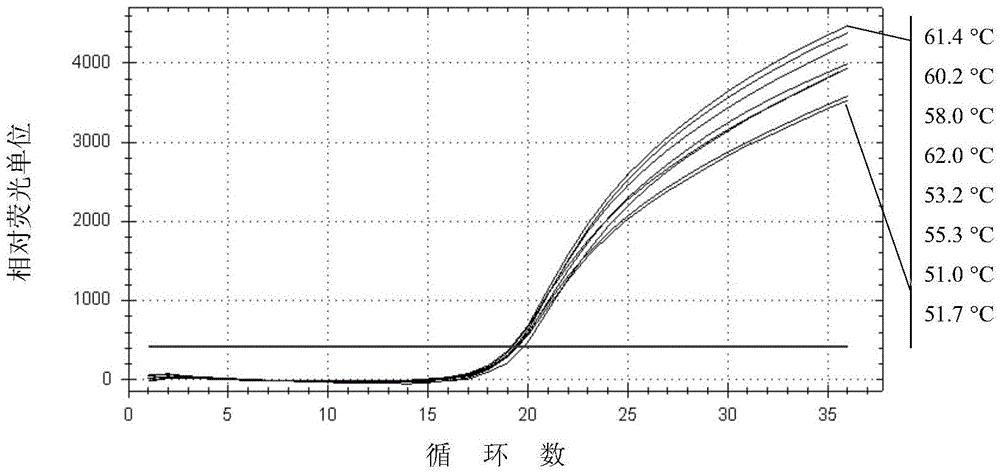
  • Figure 2
    Figure 2
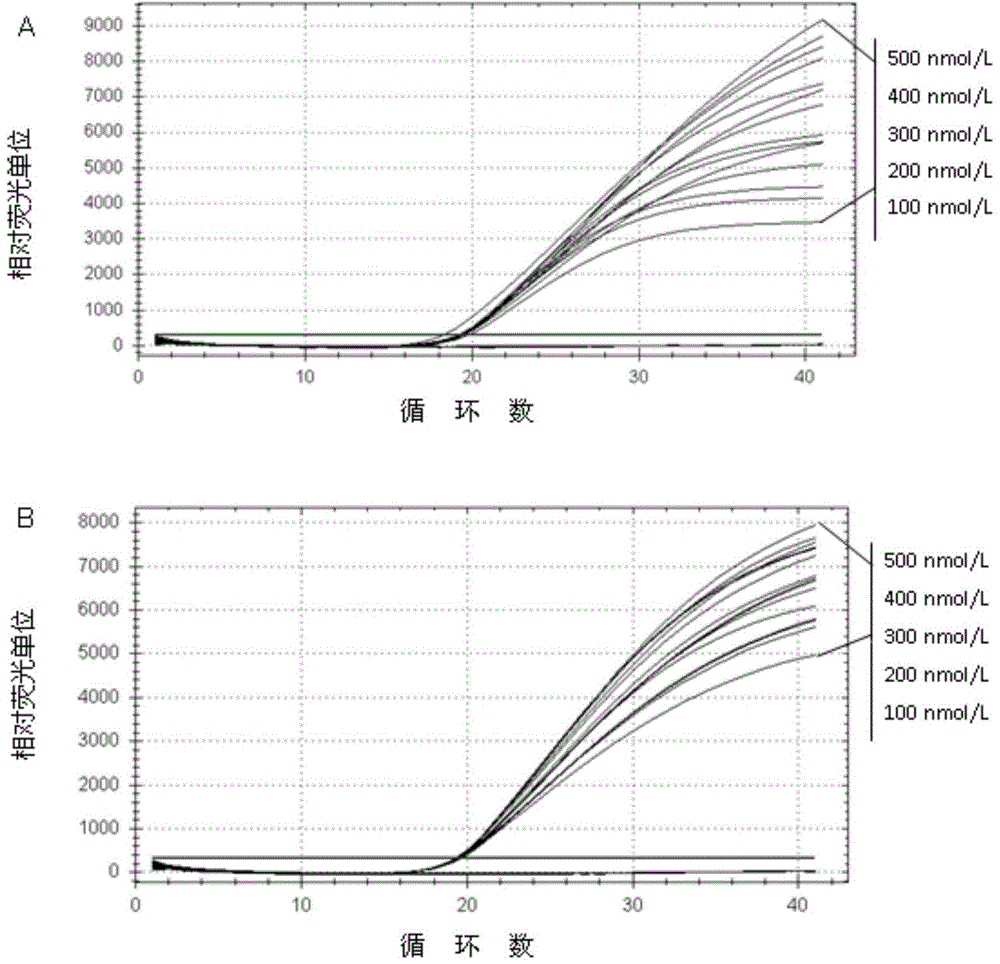
  • Figure 3
    Figure 3
Patent Text Reader

Abstract

The invention discloses a method for detecting bartonella elizabethae with TaqMan real-time fluorescent quantitative PCR. The method selects a Be specific gene sequence and obtains specific primers (SEQ ID No.2 and SEQ ID No.3) and a TaqMan probe (SEQ ID No.4) based on the specific gene sequence design. The method can detect the bartonella elizabethae under species level specificity and high sensitivity and provides effective means for researches such as early and rapid diagnosis and monitoring of a series of diseases caused by the bartonella and epidemiological investigation.
Need to check novelty before this filing date? Find Prior Art

Description

technical field

[0001] The invention belongs to the field of molecular biology detection, in particular to a TaqMan real-time fluorescent quantitative PCR detection method for Bartonella Elizabeth. Background technique

[0002] Bartonella elizabethae (Be) is a Gram-negative bacillus that can cause Bartonella elizabethae endocarditis. In 1993, Daly et al. isolated from the blood of a patient with endocarditis in the Elizabeth Hospital in the United States. It is a newly discovered zoonotic pathogen in the genus Bartonella.

[0003] Bartonella Elizabeth has the common characteristics of Bartonella genus bacteria, which requires high culture conditions and long culture time. At present, the detection methods of this bacteria at home and abroad are mainly isolation culture and conventional PCR detection of nucleic acid molecules. Although the isolation and culture method can obtain direct evidence of infection, it is not suitable for rapid diagnosis, screening and epidemiologi...

Examples

Embodiment 1

[0034] Embodiment 1 TaqMan real-time fluorescence quantitative PCR detects the method for Elizabeth Bartonella

[0035] 1 Materials and methods

[0036] 1.1 Strain and biological sample DNA

[0037] Bartonella genomic DNA includes Be ATCC 49927, Bh ATCC 49882, Bq ATCCVR-358, Bartonella keshii (B. clarridgeiae, Bc) ATCC51734, Bartonella keelerae (B. .bacilliformis, Bb) ATCC35685, B.vinsonii subsp.berkhoffii, Bvb ATCC51672, B.vinsonii subsp.arupensis, Bva ATCC 700727 , Bartonella vinsonii subsp.vinsonii (B.vinsonii subsp.vinsonii, Bvv) ATCC VR-152, Bartonella grahamii (B.grahamii, Bg) ATCC 700132, Bartonella vinsonii (B.doshiae, Bd) ATCC700133 , Bartonella Triboci (B.tribocorum, Bt) CIP 105476; Agrobacterium tumefaciens; human, cat, mouse and tick genome DNA are all vector biological control Room preservation. Brucella species was provided by relevant departments of the Institute of Infectious Disease Prevention and Control, Chinese Center for Disease Control and Prevention....