
Drug use of 5-bromo-2-(alpha-hydroxypentyl) sodium benzoate in treatment of cardiac hypertrophy and heart failure
A technology of sodium benzoate and hydroxypentyl, which is applied in the field of biomedicine and can solve problems not involved in the application of BZP
Patent Information
- Authority / Receiving Office
- CN · China
- Current Assignee / Owner
- Publication Date
- 2019-01-18
- Estimated Expiration
- Not applicable · inactive patent
Smart Images
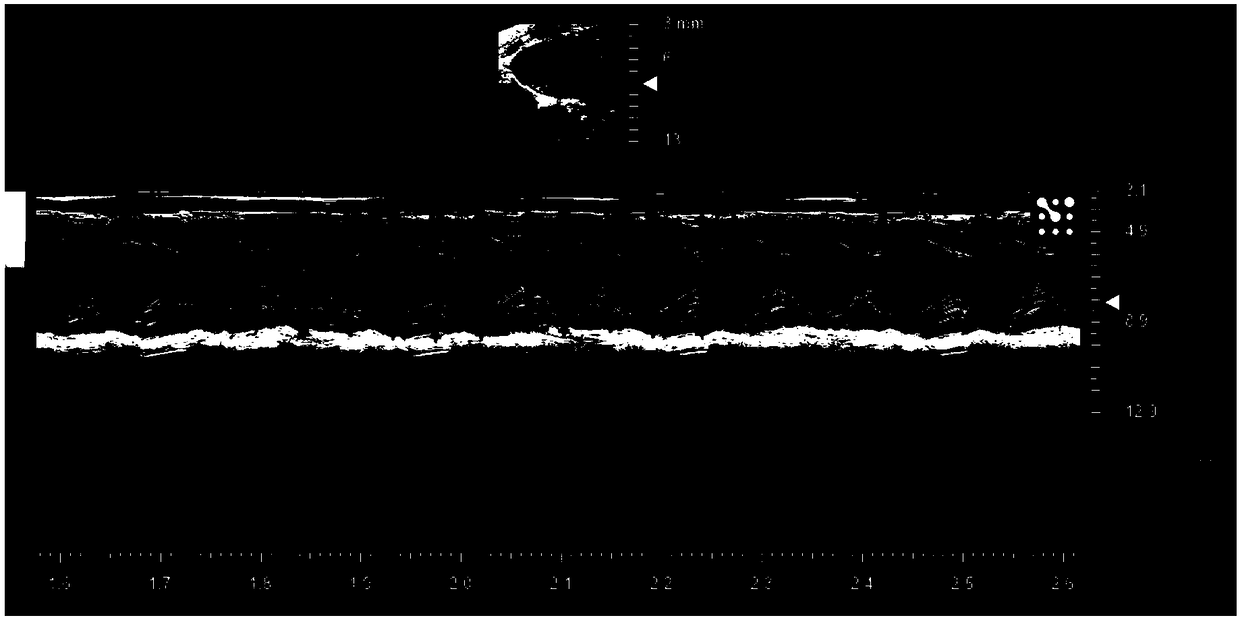
Figure 1 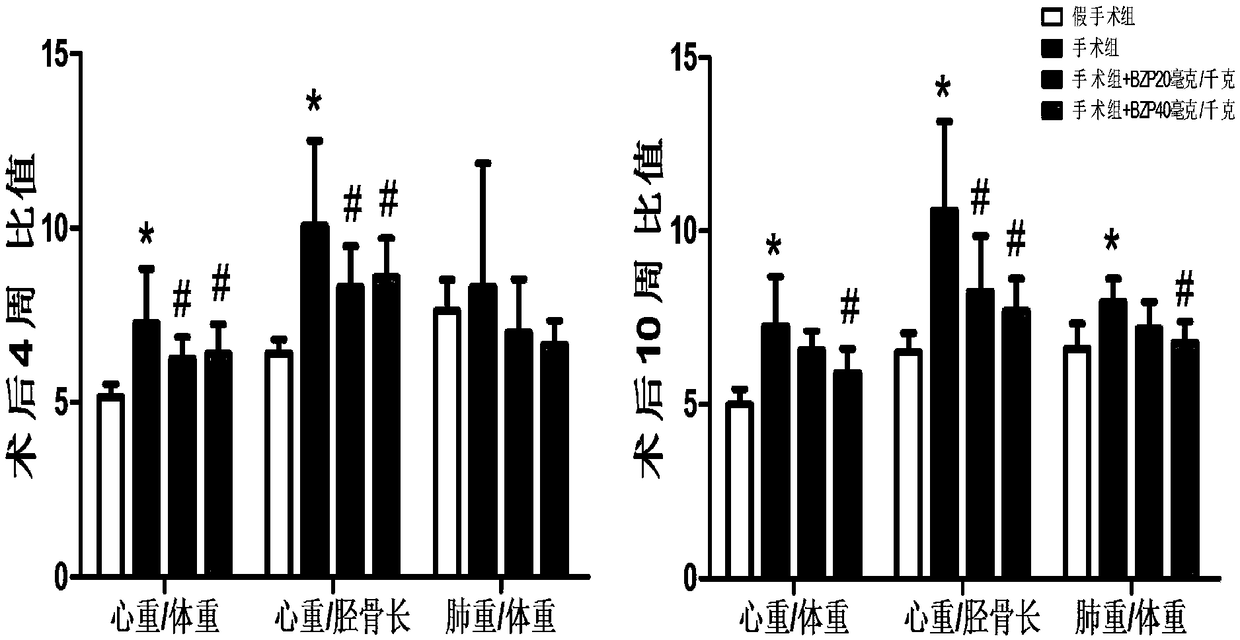
Figure 2 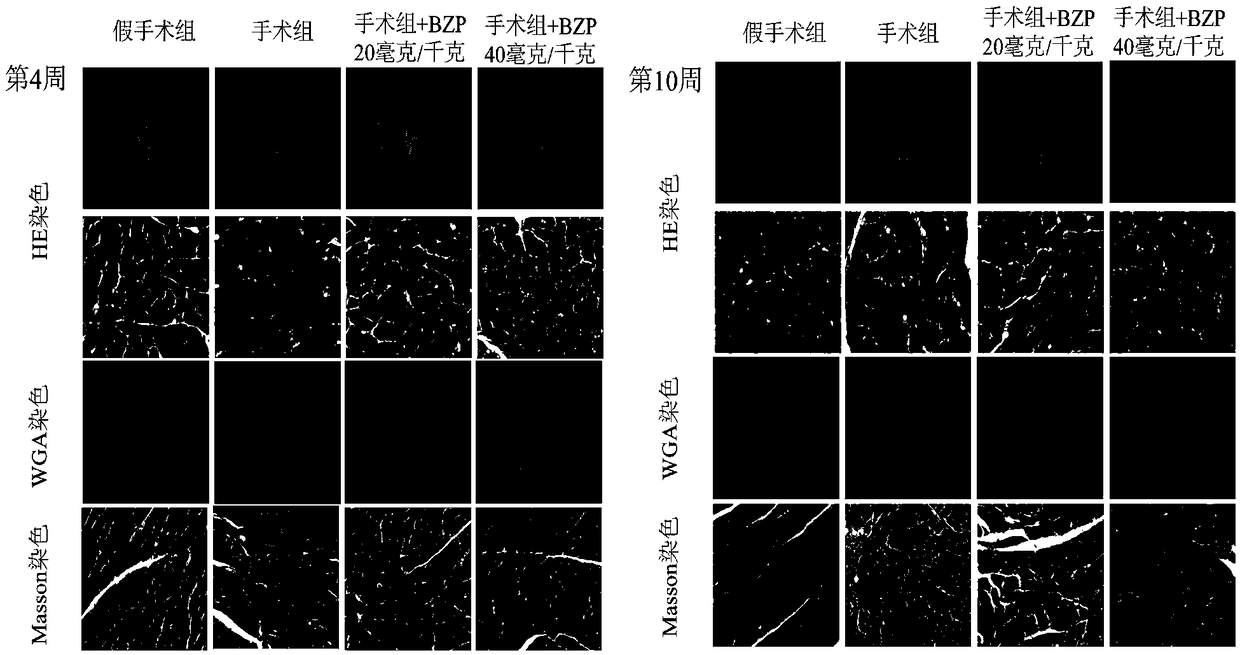
Figure 3
Abstract
Description
technical field
[0001] The invention belongs to the field of biomedicine, and relates to the medicinal use of 5-bromo-2-(α-hydroxypentyl)benzoic acid sodium salt (BZP) in treating pressure load-induced myocardial hypertrophy and heart failure. Background technique
[0002] Cardiac hypertrophy is an adaptive response of cardiomyocytes to various pathological stimuli such as mechanical load and neurohumoral stimulation. In the early stage, it is regarded as a compensatory process due to the thickening of the ventricular wall and the improvement of myocardial systolic function, but in the case of persistent pathological stress, accompanied by interstitial fibrosis, systolic dysfunction, and cardiac chamber enlargement, it will eventually lead to dysfunction. Compensated heart failure and even sudden death. Up to now, cardiac hypertrophy has been considered as an independent risk factor for adverse cardiovascular events. The prevention and timely treatment of myocardial hypert...
Examples
Embodiment
[0020] Example: Protective Effect of BZP on C57BL / 6 Mice Pressure Load-Induced Cardiac Hypertrophy and Heart Failure Experimental Materials and Methods
[0021] (1) Experimental materials
[0022] 8-week-old C57BL / 6 mice, weighing 19-22 g, all male, BZP (5-bromo-2-(α-hydroxypentyl) benzoic acid sodium salt) powder, prepared with double distilled water.
[0023] (2) Experimental grouping
[0024] Randomly divided into 4 groups, respectively: sham operation group (Sham); myocardial hypertrophy model group (TAC); BZP (5-bromo-2-(α-hydroxypentyl) benzoic acid sodium salt) high-dose group (40mg / kg ), BZP (5-bromo-2-(α-hydroxypentyl) benzoic acid sodium salt) low dose group (20mg / kg).
[0025] (3) Long-term administration method
[0026] Treatment group: BZP (5-bromo-2-(α-hydroxypentyl)benzoic acid sodium salt) was given by intragastric administration after the TAC model was established, the doses were 20 mg / kg and 40 mg / kg respectively. The dosing volume was 0.01 ml / g.
[0027...