
A strain of Lactobacillus rhamnosus that can reduce blood uric acid
A technology of Lactobacillus rhamnosus and blood uric acid, which is applied in the field of microorganisms, can solve the problems of increasing human blood uric acid, and achieve the effects of reducing uric acid levels, inhibiting intake, and strengthening utilization
- Summary
- Abstract
- Description
- Claims
- Application Information
AI Technical Summary
Problems solved by technology
Method used
Image


Examples
Embodiment
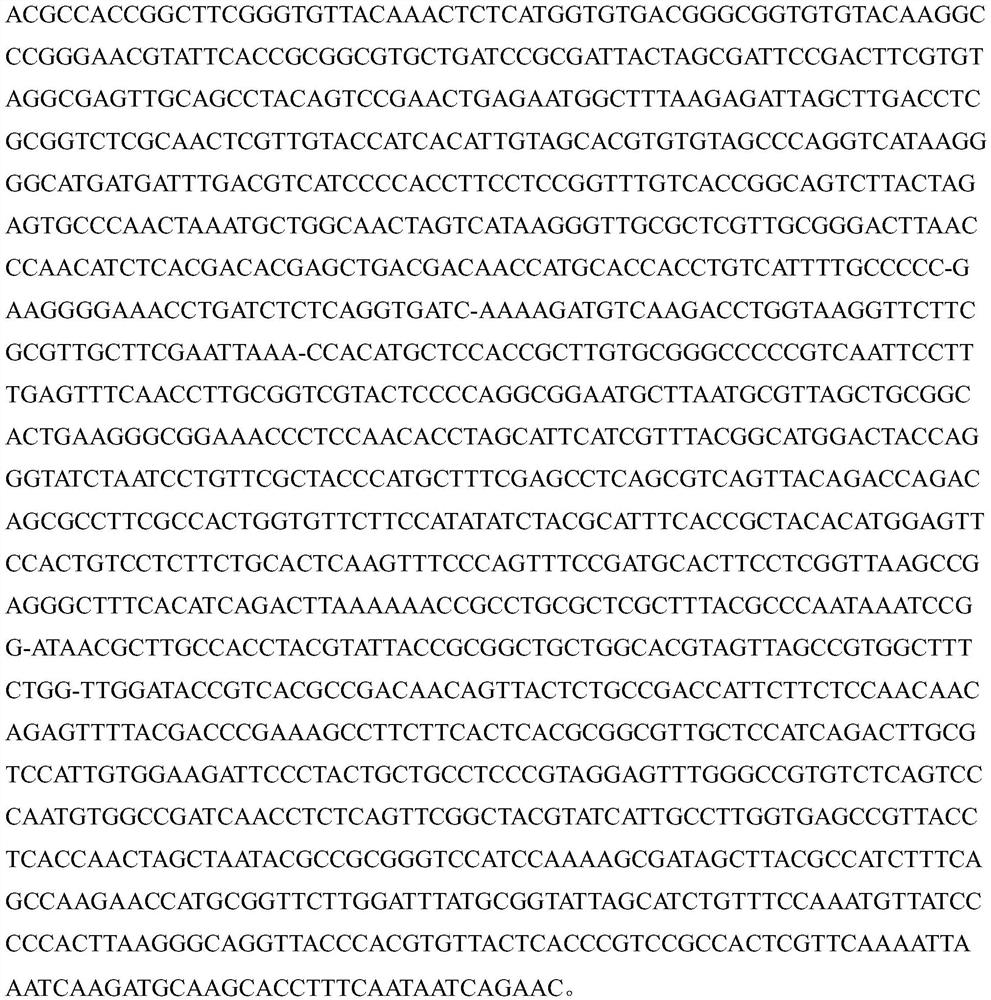
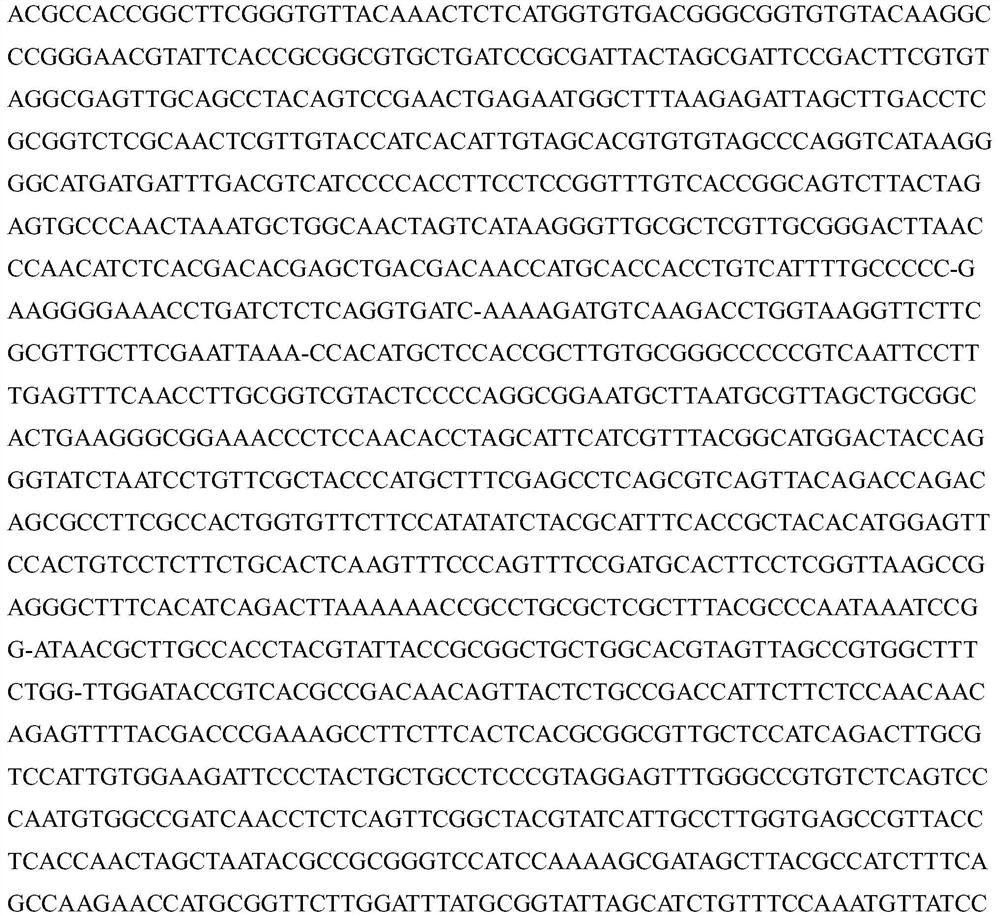
[0024] A strain of Lactobacillus rhamnosus that can reduce blood uric acid was screened by the inventor from traditional yogurt collected in the Inner Mongolia Autonomous Region of my country in the previous work. It was identified as Lactobacillus rhamnosus and named as 1155 strain. It was preserved in the General Microorganism Culture Collection Center of China Microbiology Culture Collection Management Committee on January 4, 2016, and the microorganism preservation number is CGMCC NO.11955. The biological properties of the strain are as follows:
[0025] Morphological characteristics: In MRS agar medium, the growth form is milky white colony, opaque, round, smooth and moist surface, neat edges, and raised in the center. Gram staining was typically positive, and under the microscope the cells were short rod-shaped, without flagella, spore-forming, and motionless.
[0026] Culture characteristics: The optimum growth temperature is 37°C, facultatively anaerobic, and grown in...
PUM
| Property | Measurement | Unit |
|---|---|---|
| clearance rate | aaaaa | aaaaa |
Abstract
Description
Claims
Application Information
 Login to View More